
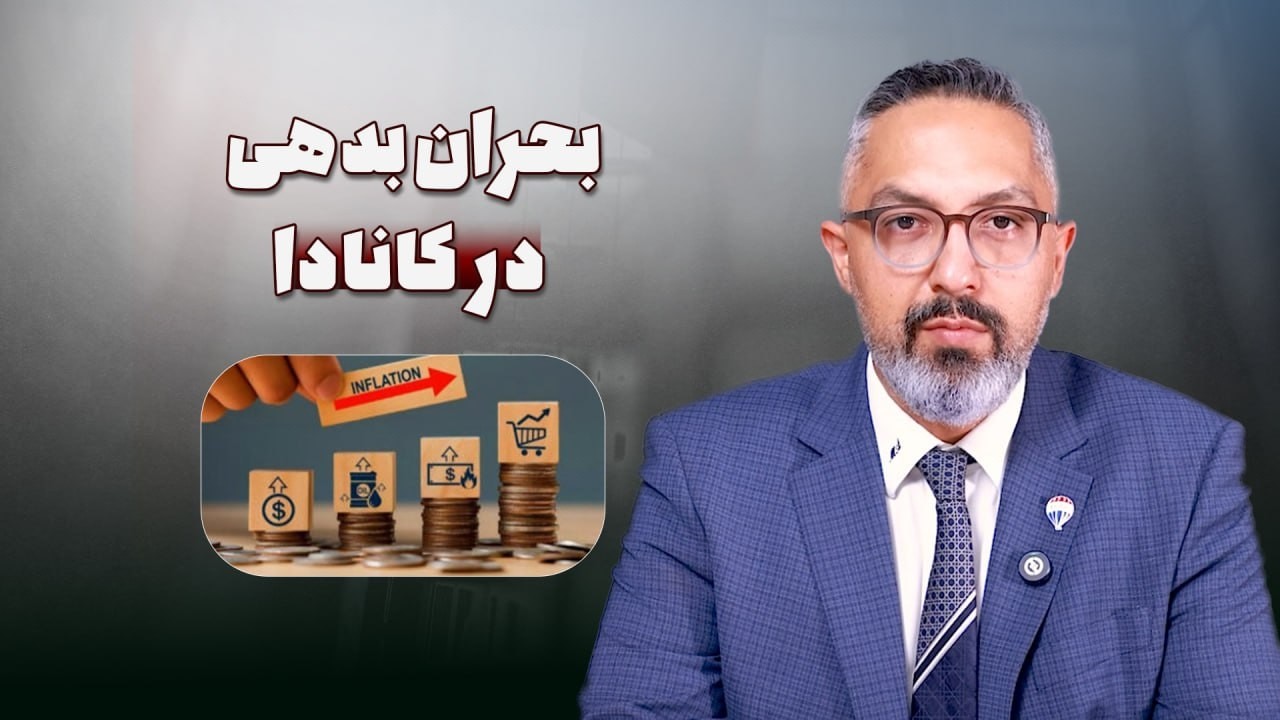
As of June 2026, the federal government had paid more than $53 billion in interest on its debt in a single year, almost the size of the entire annual deficit. For homeowners that matters because debt this large keeps the whole economy sensitive to interest rates, which means cheap money is unlikely to come back soon.
I am Moe Asgarian, a Principal Real Estate Broker with RE/MAX in Toronto, ranked number 47 worldwide and in the top 1% in Canada. I pay attention to numbers like these because they end up sitting inside my clients' mortgage payments a year or two later.
The Numbers in the June 2026 Federal Finance Report
In June 2026, the federal finance department reported that the last fiscal year had closed with a deficit of more than $55 billion, larger than the year before. The government spent more than it took in. As of June 2026, accumulated federal debt had passed $1.3 trillion, and total interest bearing government debt had reached roughly $2 trillion.
You might say a deficit of that size, more than $55 billion in the year reported in June 2026, is the government's problem and has nothing to do with ordinary people. But that money has to come from somewhere. To cover the gap the government creates more debt and sells more bonds, and those are not numbers that sit quietly on paper. They have to be repaid in the years ahead.

Where the $53 Billion of Interest Goes
According to that June 2026 report, interest alone cost more than $53 billion in one year, roughly the size of the whole deficit. In plain language, a share of the taxes people pay goes to servicing past debt instead of building roads, hospitals or new services. That is the part worth sitting with.
At the same time spending keeps climbing. Canada's senior population is larger, the cost of the old age pension program is up, employment insurance payments are up, and health care costs and transfers to the provinces have grown. None of that is negative in itself, since most of it exists to support citizens. The problem is the speed. Reports for that fiscal year show revenue rose only a little while costs rose faster.

Why Household Debt Makes This Personal
Canadian households are carrying the same weight. Many families hold large mortgages. A lot of people carry credit card balances. Plenty are living with car loans and lines of credit on top of everything else. When interest rates rise, the government pays more and families pay heavier instalments, at the same time and for the same reason. That is why, as of 2026, debt has become one of the weakest points in the Canadian economy.
The Trade Question Hanging Over It
There is a second worry, which is how much Canada's economy leans on the United States. As of June 2026, reports on the trade talks between the two countries still showed real uncertainty about tariffs and about the future of the relationship. The Canadian government was hoping for a deal, but even senior officials could not name a date for a result. If trade between the two countries runs into trouble, Canada's already fragile growth comes under more pressure.
What I Tell Homeowners and Investors Carrying Debt
Canada is not in a financial crisis. As of June 2026 the economy was still large and diverse, unemployment was not at a level that sets off serious alarms, and the government could still borrow in the financial markets. But the trend described in that report cannot run forever. No government can spend faster than it earns for years on end and expect the debt not to turn into a problem.
For homeowners, investors and families, the practical conclusion is that the era of cheap money probably is not coming back any time soon. Large government and household debt keep the economy sensitive to interest rates, and the main issue over the next few years, for all of us, is managing debt that piled up in the years behind us.

So here is what I tell my clients. If you own a property as an investment and you can feel that your debts are heading toward a power of sale, it is worth thinking seriously about selling sooner to stop a bigger loss. I manage my own loans and payments by talking to different specialists and asking for advice, and I would say the same to you. In my own work I have met many people who were hoping for an overnight miracle that would erase the debt on their house and their line of credit. You cannot sit and wait for a miracle. Selling earlier may be the thing that saves you from the larger loss.
If you want to go through your own numbers and what they mean for your property, fill out the form at the bottom of this page or book a free consultation with me. Stay well and take care.
Frequently asked questions
How much did Canada pay in interest on its debt?
According to federal reports discussed in June 2026, the government paid more than $53 billion in debt interest in a single year. That was close to the size of the entire annual budget deficit, which came in above $55 billion.
How does government debt affect Canadian housing and mortgages?
Large government and household debt together keep the whole economy sensitive to interest rates. With debt at the levels reported as of June 2026, a return to very cheap borrowing was unlikely in the near term, which shapes what buyers can afford and what owners can carry.
Should I sell my investment property if I am struggling with debt?
If you can see that your debts are heading toward a power of sale, selling earlier can stop a larger loss. Moe Asgarian's advice as of June 2026 is to run the actual numbers with specialists rather than hoping the debt resolves itself.