

As of July 2026, Canada's ban on residential property purchases by foreign buyers is set to expire on 1 January 2027 unless the federal government acts. Ottawa has three realistic options: let it lapse, extend it for another year, or allow foreign buyers to purchase only new construction and pre-construction homes, the way Australia does.
I am Moe Asgarian, a real estate broker in Toronto and ranked 47th worldwide within RE/MAX, and this rule has shaped who I can and cannot represent on the buy side since the day it came into force. Here is where it stands and what each option would actually do to the market.
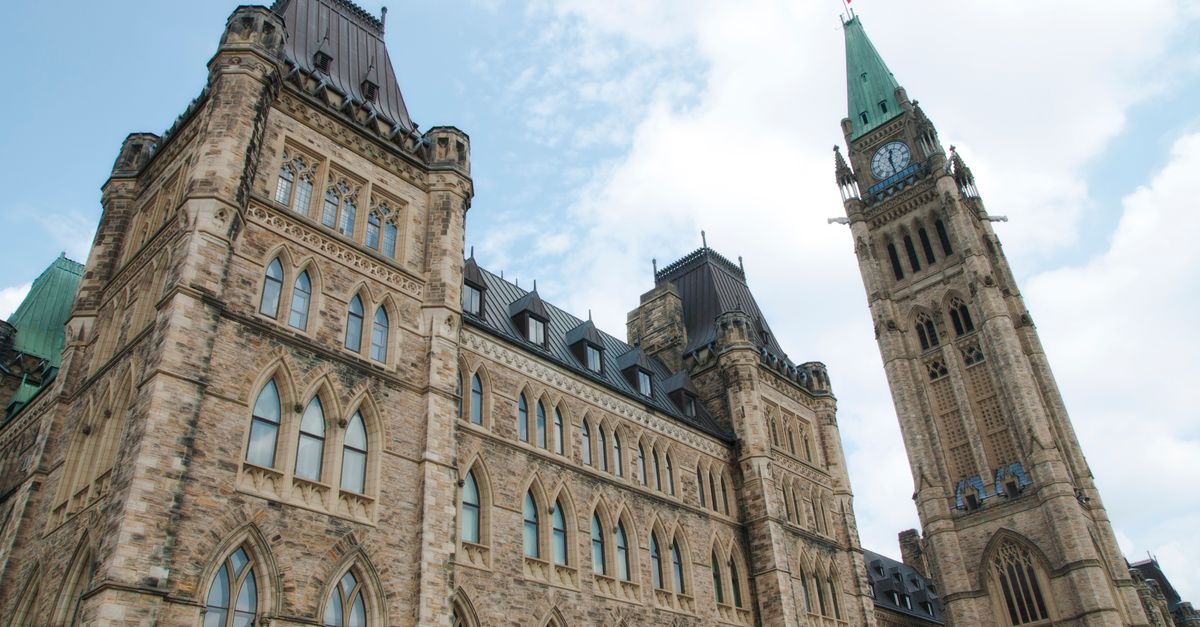
The Ban Expires on 1 January 2027 Unless Ottawa Acts
You may remember that in 2023 it was announced that foreign buyers cannot buy homes in the main areas of Canada. It is a temporary law, and if it is not renewed it comes to an end at the end of 2026. In other words, if the government does nothing, the ban expires by itself from 1 January 2027. The ban came into force on 1 January 2023.
At the time, Liberals, Conservatives and effectively all of Parliament agreed that foreign buyers were one of the problems in the housing market and counted as one of the main reasons for the sharp rise in home prices in Canada. Three and a half years later the situation is completely different. Builders and large developers are now telling the government to let foreign buyers come back, because they need them to build new supply. That has put the government in a hard position. On one side is the insistence of builders and large developers that foreign buyers be allowed into the market. On the other side are the people, the voters, who hope to be able to buy a home and do not want a new competitor taking that chance away from them.
What the Foreign Buyer Ban Actually Covers
Two details get missed regularly. The first is that the rule covers residential property only. It does not include commercial real estate. The second is that it is not applied across all of Canada. Foreign buyers can still buy homes in some parts of the country, but naturally they cannot buy and sell in the main areas and the hot markets.
I remember that when this law was being passed, ahead of its January 2023 start, many people said the foreign buyer share of the whole market was less than 5%, and argued that banning foreign purchases would not have any particular effect. What actually happened is that home prices have come down around 20 to 30 percent between January 2023 and July 2026. It is not an easy thing to say that this law is the reason for all of that price decline. But either way, we can see that after this law prices have become better for families, even though they are still very expensive.
Three Options in Front of the Government
The first option is that the government makes no new decision, the law dies on its own, and foreign buyers can again buy homes everywhere in Canada. The second is that it keeps the law for now and extends it for, say, another year to see how things develop. There is a third option I have seen mentioned in the media, and I find it interesting. The government could allow foreign buyers to buy only newly built or pre-construction homes. We know the serious housing crisis in the big cities is new condos sitting empty and unsold. This idea could help find buyers for units that are not going to sell for a long time. It is interesting that this rule also exists in Australia, where a foreign buyer cannot buy a home but can buy new construction or a pre-sale.
That plan could bring new capital into the market. But we also know the market could turn back into an investors' market, which would mean families and end users are still not in the picture. A decision like that could affect the rental market too, because those same investors rent the units out to cover their costs and the market re-enters the same cycle it was in before. There is one more problem, which is how attractive new homes actually are. The government has already put tax exemptions in place for newly built homes and investors are still waiting for prices to come down further. It is not clear that if the government allows foreign buyers to buy new construction, they will be all that interested in doing it.

The Foreign Buyer Taxes That Stay Either Way
Alongside all of this we have to mention the foreign buyer tax. Both Ontario and British Columbia still have a tax on foreign buyers, and it is not the case that anyone is exempt from it. Even now, if a home is in an area where foreign buyers are allowed to buy, they still have to pay that tax.
As of July 2026, the foreign buyer tax is around 20% in British Columbia, 25% in Ontario and 35% in the City of Toronto. So if the ban were lifted tomorrow and foreign buyers wanted to purchase in Ontario, in Toronto for example, those figures still apply. That means less profit and less motivation for the buyer, whatever happens to the ban itself.
Luxury Homes Beyond Toronto and Vancouver
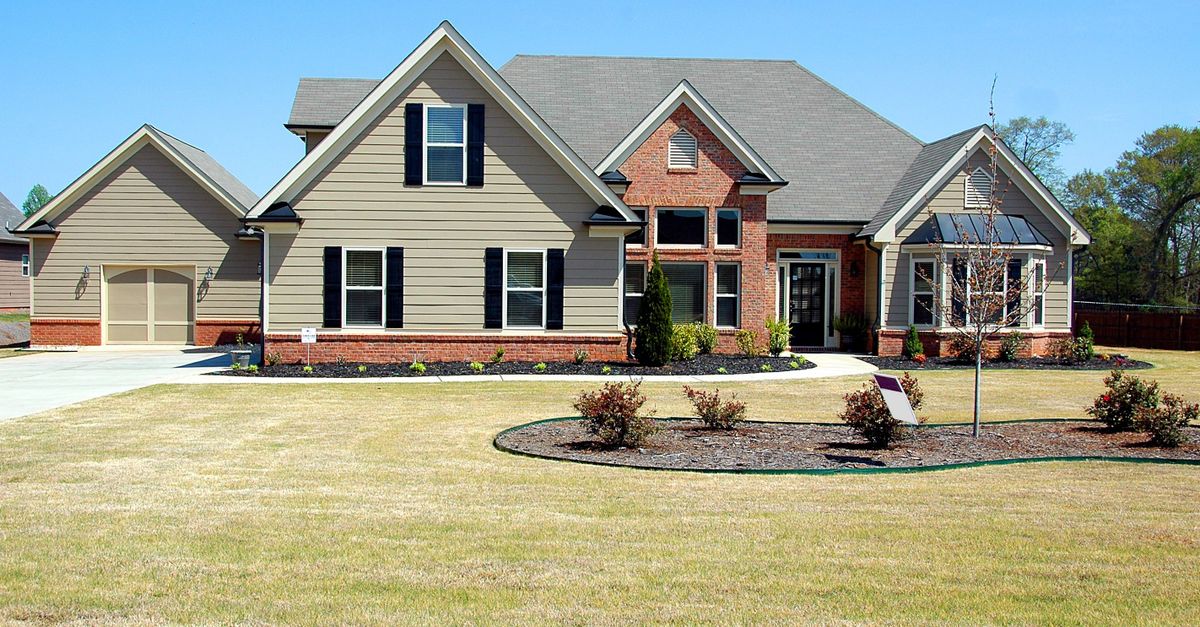
It is worth noting that when we talk about foreign buyers in general, we are talking about investors, and specifically about those with a great deal of money who are looking for luxury markets. What has happened over the last year or two is that the luxury market is no longer limited to Toronto and Vancouver. Luxury homes are finding new buyers in cities like Edmonton, Saskatoon and Ottawa. Why? Because you can buy larger pieces of land there, and for many people that means a better investment.
Even so, the statistics show that the new immigration restrictions and high interest rates have kept this part of the market, the luxury segment, quiet. This is where the foreign buyer question plays a serious role. Over these years, because foreign buyers have not been able to buy luxury homes in Canada, the market for those homes has taken a hit. That hit has also reduced government revenue. When a foreign buyer cannot enter this market and make a purchase, governments also lose hundreds of thousands of dollars of tax on each of those homes. That is another part of the market worth talking about, and the effect of this purchase ban shows up in it.
What Canadians Think, and Why That Matters
Separate from the decision itself, public opinion appears to be in favour of the ban. A survey carried out in 2025 found that 76% of Canadians support continuing the ban on home purchases by foreigners. The reality is that this is not only a commercial law about the property market. Part of the story is cultural and social.
That may end up having a large effect on the government's view, because the government ultimately gets its votes from Canadians and not from foreign buyers. The Canadian government may announce its position on this law within a few months, which would let us understand sooner what kind of market 2027 will bring. If you are planning a purchase or a sale into that window, this is the decision to watch.
If you want to talk through how this affects your own plans to buy or sell in Toronto or the GTA, fill out the form at the bottom of this page or book a free consultation. Stay well and take care.
Frequently asked questions
When does Canada's foreign buyer ban end?
The ban took effect on 1 January 2023 and was written as a temporary measure. As of July 2026, it expires on its own from 1 January 2027 if the federal government does not extend or replace it.
Does the ban apply to all property everywhere in Canada?
No. It applies only to residential property, so commercial real estate is not covered, and it does not apply across all of Canada. Foreign buyers can still purchase in some parts of the country, but not in the main and hottest markets.
If the ban ends, can foreign buyers purchase in Toronto without extra cost?
No. Foreign buyer taxes exist separately in Ontario and British Columbia and nobody is exempt from them. As of July 2026 the tax is around 20% in British Columbia, 25% in Ontario and 35% in the City of Toronto, which means less profit and less motivation for a foreign investor.