

The housing market is where a lot of people get confused. One home looks sharp and you can buy it for two million dollars. Another is old and small and priced at one million in the Toronto market. Which one should you buy? That is a hard question, and the honest truth is that the whole skill in real estate comes down to answering it well.
I am Moe Asgarian, a senior real estate broker in Toronto. The difference between someone who wins in this market and someone who loses is exactly this: the winner invests wisely and profits, the other invests wrong and loses. Here are five things to look at so you can size up a property properly, from one to five.

Location
Most people already know this one. The famous line is that three things matter: location, location, and location. Research the neighbourhood carefully. Look at the schools, whether the property is near a subway station or has good access, and whether it is close to shopping and plazas. Check the crime history in the area. And look at how stable the housing market has been there, including how much home values have risen or fallen over several years.
Condition
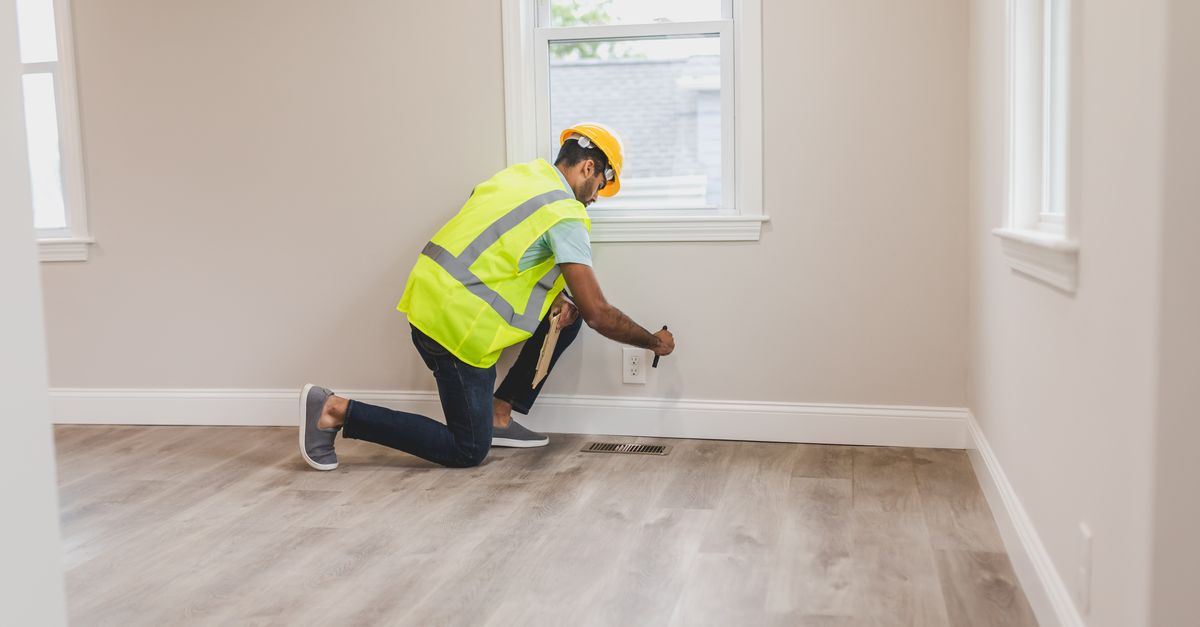
Have a clear picture of the home's condition. My advice is to spend a little money and hire a skilled inspector so you know exactly what the property needs. If the home is old and has problems, work out the full cost of repairs and renovation to make it livable. Sometimes a home with issues is actually better, because you buy it at a lower price, do some work, and lift the value right away. If you buy at the right price and renovate properly, the upside can be large. And if an inspection shows the home is fully livable, that helps you set a strong rent and charge more.
Appreciation potential
Look at how much the home is likely to gain each year. An annual figure of 5 percent is a good number. Here is why. You usually invest about 20 percent of the home's value as a down payment, so every 1 percent the home rises is roughly 5 percent on your money. That is about 25 percent return on your down payment over five years. Now run that over a ten year window and you see how much it matters. Study the trends, and go after homes in areas with strong economic fundamentals that keep growing.
Your investment goal and financing
People buy with different goals. Some want to buy, wait for the price to climb, and sell. Some want to rent it out. It matters a lot to know how you plan to invest and how you will finance it. Sometimes it is worth checking the rates and down payment options across different mortgages. When you add it all up, you might find a home costs you 1,800 dollars a month while it only rents for 1,500, and it does not work. Or you might find a home that rents for 2,300 a month and leaves you ahead, which makes it a good buy. Those numbers come from working through your financing plan. If you plan to buy and sell fast, the rent matters less. If you plan to rent for ten years, it becomes everything.

Cash flow
Positive cash flow is a real sign of a successful investment. Always know what a home leaves you after rent, expenses, and most importantly the mortgage payment. If you keep paying more out of pocket, that is usually not a good sign, especially for a long term hold. The key question for a long hold is how much the home will rent for and how much of your costs and mortgage that rent can cover. Sometimes a larger down payment improves your cash flow and pays off over the long run, and sometimes it does not. The point is to know this factor and the other four precisely.
I have worked in this market for years and invested for hundreds of clients, always keeping these five in front of me. If you live in Canada and want to start investing in real estate, or you already own and want to improve your position, I can sit down with you and guide you based on your situation. Stay well and take care.

Frequently asked questions
What is the single most important factor in a property?
Location. The old saying that the three things that matter are location, location, and location still holds. Schools, transit, shopping, crime history, and how stable prices have been in the area all feed into it.
Is it better to buy a home that needs work?
Often, yes, for an investor. A home with issues usually sells for less. If you buy it right and renovate it correctly, you can lift the value early and earn a strong return.
How do I decide between flipping and renting?
It comes down to your goal and your financing. If you plan to buy and sell quickly, the monthly rent matters less. If you plan to hold and rent for years, cash flow and the rate on your mortgage become the deciding numbers.