
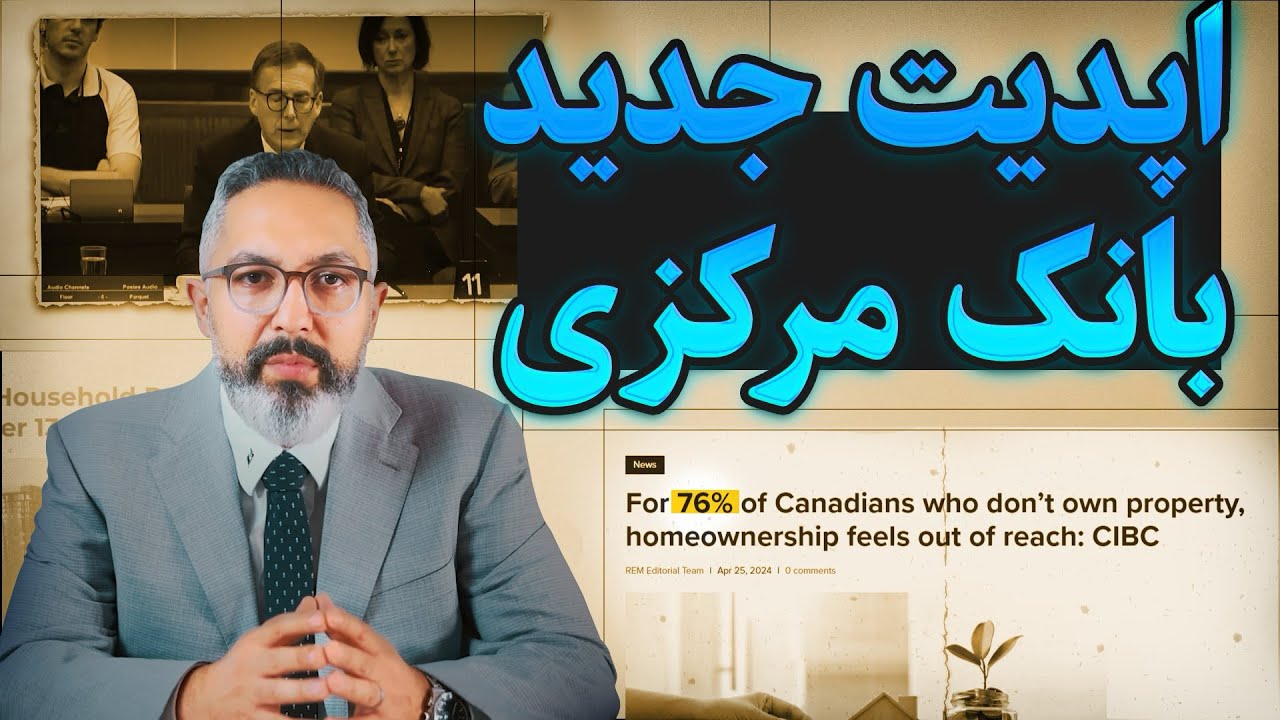
The head of the Bank of Canada made some comments about interest rates that got a lot of people talking, and I want to break them down. I will also cover the mortgage and market reports that crossed my desk this week, including a topic a lot of you have asked about: halal mortgages.
What the Bank of Canada actually said
On May 2, 2024, Governor Tiff Macklem spoke and cleared up some of the fog around interest rates. Two points stood out. First, he was blunt that rates are not going back to the emergency lows we saw during COVID. He went further and said it is unlikely they return even to pre-COVID levels. Those low rates were an exception, not the rule.

Second, he was clear that any cuts will be gradual. His read is that the economy is strengthening slowly and inflation is easing slowly, so rate cuts will follow the same slow, patient path. The Bank is aiming for 2% inflation, and it will wait until it is confident inflation is falling in a durable way before trimming. So do not expect a fast series of cuts.
Household debt keeps climbing
Here is a number worth watching. Because rates have been high, Canadians have been borrowing more slowly, but overall household debt is still growing. Total household debt in Canada reached close to $3 trillion in February, a rise of more than 3% year over year, and it has been climbing for several months in a row.

More debt is not automatically bad. In a growing economy, people invest and borrow, and that fuels activity. The worry is fragility. If conditions shift, that debt load can turn from a sign of confidence into a real problem.
Most buyers do not regret it
A survey that got picked up widely found that 76% of Canadians who bought a home in the last five years do not regret the decision. Many of them went through a rough stretch with higher rates, but on balance they feel they made the right call. Canada's homeownership rate sits above 66%, so owning a home means something here.

The survey also found that Ontario residents had the least regret, while British Columbia residents had the most. And where regret did show up, it was usually about buying the wrong home or picking the wrong location. That is a reminder to slow down on your purchase and to be careful about who you choose to represent you.
Getting into the market feels out of reach
A separate CIBC survey looked at the other side. It found that 76% of Canadians who do not own a home feel that getting into the market is out of reach. The good news buried in the same survey: 56% of them are not giving up and believe they will buy eventually, and 28% of current non-owners are actively saving for a down payment. The main barrier, no surprise, is that prices are simply too high.

Halal mortgages explained
This one comes up a lot, so let me explain it. The federal government's budget mentioned making room for halal mortgages so Muslim communities can use home financing that fits their faith. Under Islamic law, paying and charging interest is not allowed, which makes conventional mortgages a problem for many Muslim Canadians. Right now, none of Canada's six big lenders offer a halal option, though there is interest in changing that. A couple of smaller institutions already do.
There are a few common structures. In one, the lender and the buyer become co-owners of the home, and the buyer makes monthly payments toward the lender's share. In another, it works as a rent-to-own arrangement. The third, which seems more common in Canada, is a cost-plus approach: the bank buys the home and sells it to the buyer at a higher fixed price, paid off in installments. Each has its own wrinkles around taxes and provincial rules, but Ottawa wants to smooth those out.

If you are weighing a purchase and want to understand your financing options, whether conventional or halal, let's talk it through. Fill out the form at the bottom of this page or book a free consultation. Stay well and take care.
Frequently asked questions
Will interest rates go back down to where they were?
According to Bank of Canada Governor Tiff Macklem, no. He said rates are unlikely to return to their COVID-era lows or even pre-COVID levels, and that any cuts will be gradual.
How much household debt do Canadians have?
Total household debt reached close to $3 trillion in February, growing more than 3% year over year. Borrowing has slowed because of high rates, but the overall total keeps rising.
What is a halal mortgage?
It is home financing that follows Islamic law, which does not permit charging or paying interest. Common structures include co-ownership, rent-to-own, and a cost-plus model where the lender buys the home and resells it at a fixed higher price.