
Five Keys to Buying Your First Home in Canada With Confidence
Buying your first home in Canada goes better with five things in place: an FHSA opened as early as possible, a clear comparison of new build against resale, restraint on how much of your pre approval you actually use, a property that will sell well later, and money set aside for the costs that arrive at closing.
Every purchase has its own tricks, and the first home someone buys in Canada is among the most important purchases they will make. This is written in May 2026, so treat the rules, rebates and program limits below as they stood at that time, since any of them can change.

Open an FHSA, Even With Nothing to Put In It
The first step is to open a First Home Savings Account. It holds the best features of both an RRSP and a TFSA. Money you put in is deducted from your taxable income, and as of May 2026 you could save up to $8,000 a year with a $40,000 lifetime cap. The money inside grows without tax, and when you take it out for the down payment on your first home you do not have to pay it back the way you do with an RRSP. Three separate points where tax does not touch it: when you earn it, while it sits there, and when you take it out.
My advice is to open the account even if you have no money to put in right now. Opening it banks that $8,000 of room. If you have nothing this year but want to catch up next year, you can put in $16,000 then. The room only accumulates for two years though, so if you open the account now and put nothing in through the end of next year, the capacity does not grow to $24,000 in the third year. The account can be opened from age 18 in Canada, and if your children have reached that age, in my view it is worth doing for them.
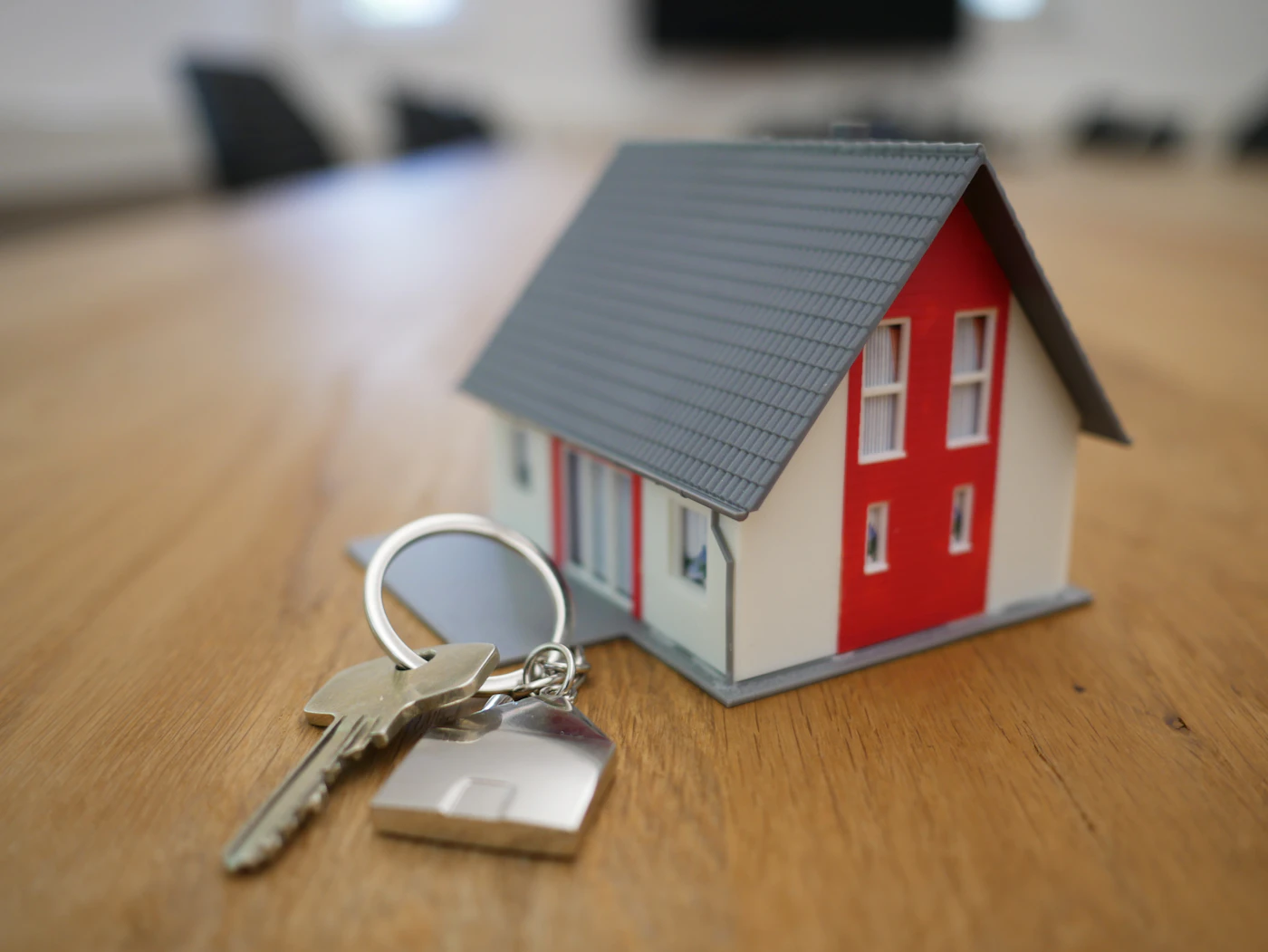
New Build or Resale: The Discount Does Not Settle It
If you follow the news you will know that as of May 2026 buyers in Ontario could get a 13% HST rebate on new builds. It is easy to conclude from that a new home must be cheaper than a resale one. I would say no, not necessarily. I can show you very good new construction in this market that is genuinely worth buying, but overall resale homes can still work out better value. Even with that 13% rebate, new builds are often still the more expensive option, because in roughly 80% of cases resale homes were built when construction costs were lower.
Real examples from our own files. For one client we bought a two bedroom plus den apartment in Richmond Hill in a three year old building for a sound price under $700,000. For another we found a new apartment from a builder's existing inventory in the Yonge and Sheppard area, not yet delivered and due in the following months, for under $600,000. So it depends on your situation. Sometimes resale is the better option. Sometimes a buyer has time and a builder is sitting on unsold inventory, and in that situation you can negotiate a deal that competes with the resale market.

Your Pre Approval Is a Ceiling, Not a Target
The third point is about the mortgage. Everyone knows the first step is getting a pre approval. The bank reviews your situation and gives you a number. Pay attention to what that number is: it is the maximum you can borrow. It does not mean you have to take all of it.
Yes, homes in Toronto and the GTA are expensive and everyone chases liquidity where they can. But you do not have to borrow to the top of your limit. Very often you can find a good option to live in or invest in that sits below your ceiling. Given the state of the Canadian economy in the spring of 2026, particularly after the tariff war with the United States, there is something to be said for a little caution about how much you borrow.
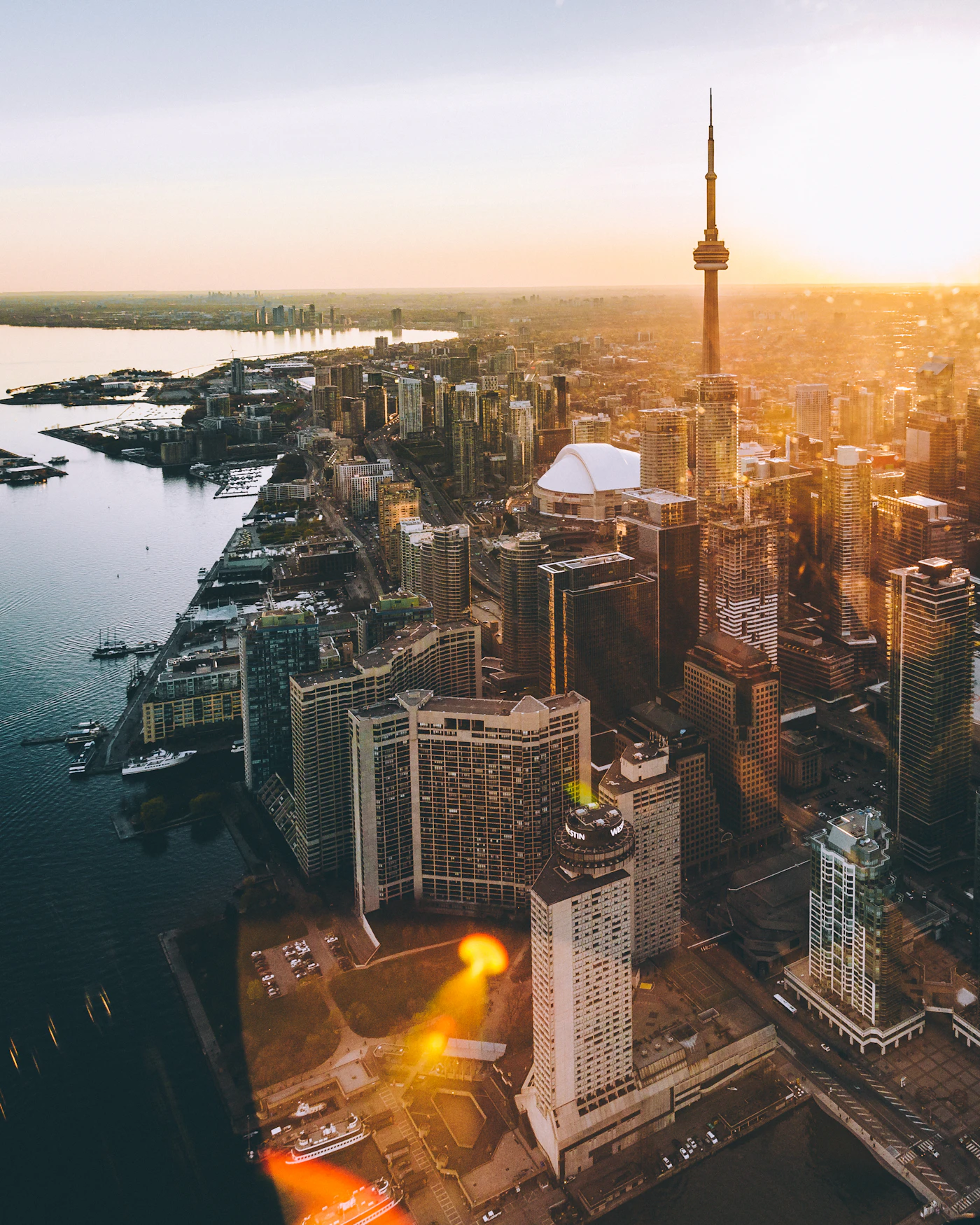
Buy With the Future Sale in Mind
The fourth point matters more than most first time buyers expect. A home has to suit your family first, that is the priority. But part of the picture is that for any number of reasons you may want to sell in a few years, and what makes a home easy to sell is not always what you personally are looking for.
Say you want to buy near relatives or friends in a particular area. That is a good decision, and it is still worth asking whether that location will be a good one when you go to sell. Size works the same way. As of May 2026, one bedroom and one bedroom plus den units above 600 square feet sell faster, and for two bedrooms buyers want to see more than 800 square feet. Parking is the other one. You may not drive at all, so parking means nothing to you, but parking matters a great deal at resale and can help the property sell sooner and better.
Budget for the Costs That Arrive at Closing
The last point is about the unplanned costs after closing. A lot of people think the down payment is the whole cost of a home. It is not. The biggest of the rest is land transfer tax. First time buyers in Toronto can claim a rebate, but only if they have never owned a home anywhere in the world and are genuinely a first time home buyer. Even then, if your home is above roughly $500,000 or $600,000 there is still a significant amount to pay. Buy inside the city of Toronto and you pay double what you would in the surrounding region for the same transfer.
Then there is the lawyer. In Toronto that usually runs about $1,500 to $2,000 as of the time of writing in 2026. The lawyer checks the documents on the home and handles the whole closing process and the adjustment of accounts for you. Budget for it from the start.
In the market of 2026 prices came down, there are plenty of good homes available and it is possible to get a mortgage at a decent rate. Conditions are not ideal, but with the support programs that exist I believe a purchase can be structured well and you can become a homeowner in Toronto. If you want to talk through your options, especially if you need the home to live in yourself, fill out the form at the bottom of this page or book a free consultation. Stay well and take care.
Frequently asked questions
What is an FHSA and why open one before you have savings?
The First Home Savings Account combines the best features of an RRSP and a TFSA for a first time buyer in Canada. Contributions reduce your taxable income, the money grows tax free, and unlike an RRSP you do not repay what you withdraw for a first home down payment. As of May 2026 the limit was $8,000 a year and $40,000 in total. Opening it with nothing inside still banks that year's room.
Is a new build cheaper than a resale home in Ontario?
Not automatically. As of May 2026 buyers in Ontario could get a 13% HST rebate on new builds, and even with it new construction is often still more expensive. In roughly 80% of cases resale homes were built when construction costs were lower. Builder inventory that has been sitting is the exception, because a builder with unsold units may offer a deal that competes with resale.
What costs come after closing that first time buyers forget?
Land transfer tax is the biggest one. First time buyers in Toronto can claim a rebate if they have never owned a home anywhere in the world, but above roughly $500,000 or $600,000 there is still a real amount to pay, and buying inside the city of Toronto means paying double what you would in the surrounding region. Lawyer fees in Toronto usually run about $1,500 to $2,000.