
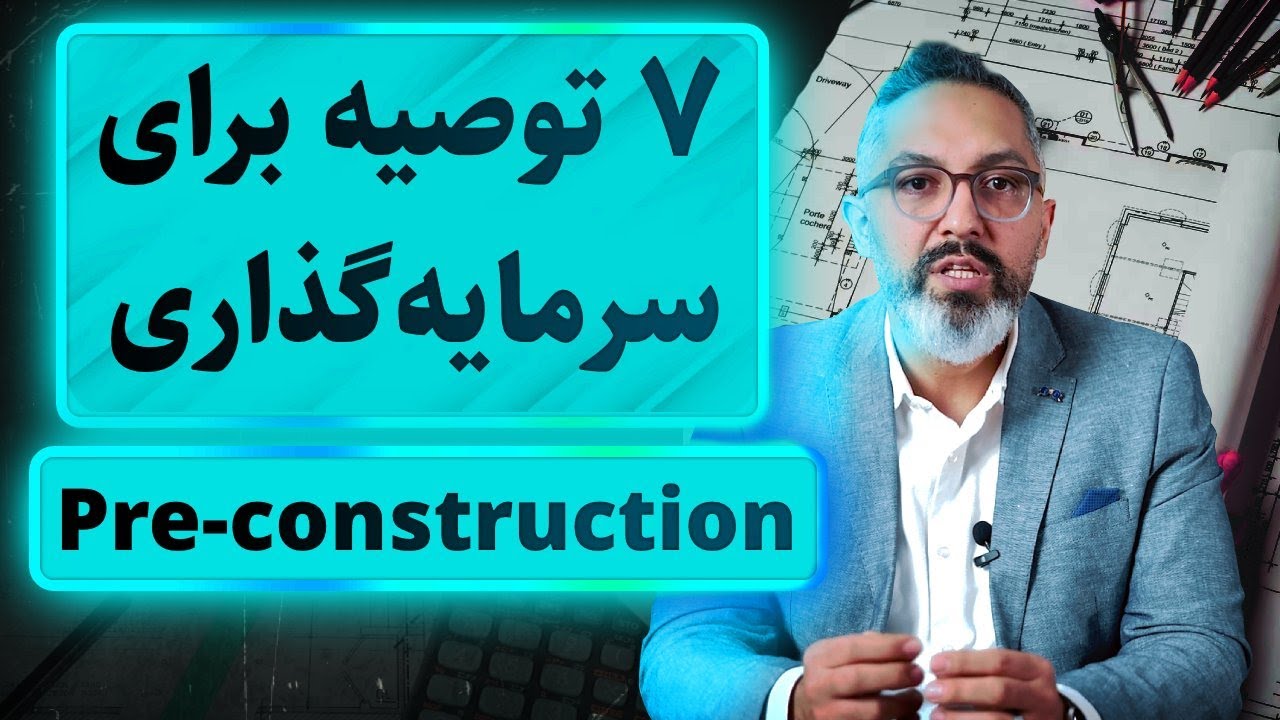
If you spend any time looking at Toronto real estate, you have seen the ads. Pre-construction condos, low upfront cost, agents everywhere telling you it is the easy way into the market. I am Moe Asgarian, Principal Real Estate Broker with RE/MAX, and I want to walk you through seven things I wish every investor knew before they sign a pre-construction contract.
None of this is meant to scare you off. Pre-con can be a smart move. The point is to go in with your eyes open, because the fine print here is different from anything you deal with in a resale purchase.

Pre-construction usually costs more, not less
Here is the part that surprises people. Pre-construction condos are generally priced higher than comparable units selling on the resale market right now. You pay less at the start, sure, but overall you are buying a more expensive product. In about 90% of cases, builders price pre-con between 5% and 20% above resale. It varies by project, by builder, and by neighbourhood, and once in a while you find a project priced below the market. Mostly, though, pre-con is the pricier market, and that is worth knowing before you fall in love with a floor plan.
Bet on the builder, not the building
In 2023, roughly 14,000 condo units had their sales delayed, and plenty of projects were cancelled outright before a shovel ever hit the ground. Projects die for two main reasons. Either the builder cannot secure the financing to complete the work, or they start too late and drag it out while construction costs climb, and in Toronto those costs rise around 10% a year. When a project gets cancelled, you usually get your original deposit back if you are lucky, but your money sat idle for years. Picture putting $600,000 down on a pre-con unit that is now worth $700,000 on the market. The project cancels, and that $600,000 no longer buys you the same condo. So either buy from a developer with a strong track record, or choose a project already far enough along that you can see it will actually get built.
Your two Ontario safeguards
Ontario gives you a 10-day cooling-off period. If that clause is in your contract, you can walk away from a pre-construction purchase within 10 days, no explanation needed. Make sure it is actually written into your agreement. My team and I check for it on every contract we handle, but you should also work with a lawyer who specializes in pre-con contracts. The second thing unique to Ontario is two closing dates. The first is interim occupancy, when you get the keys and can move in even though the unit is not registered yet, so your mortgage has not started. The second is final closing, when the city registers the building, the title transfers to your name, and your mortgage begins.
Occupancy fees, the rent nobody warns you about
During interim occupancy you are living in the unit, but the builder is still waiting on registration and on the 80% of the purchase price your bank will release at final closing. In the meantime you pay what people call occupancy fees, or phantom rent. It breaks down into three parts. First, the monthly maintenance fee, the same building charge you would pay as a full owner. Second, an estimate of the annual property tax. Third, interest on the 80% the builder has not yet collected. That interest is set by the Bank of Canada rate, not by the builder, and right now high rates are exactly why occupancy fees have gone through the roof.

Assignments and the final closing bill
An assignment is when you sell your builder contract to another buyer before closing, hopefully for more than you paid. Builders usually charge an assignment fee, generally between $1,000 and $5,000, and sometimes they add restrictions on when or how you can market it. I recently saw a contract that only allowed the assignment sale in a narrow window, and another that banned advertising the unit on MLS. Talk to a sharp accountant and lawyer about the tax side before you go this route. Final closing brings its own costs, and they run higher than a resale closing. The city charges builders development levies for schools, parks, roads, and infrastructure, and part of that lands on you, sometimes several thousand dollars, unless your contract caps those extra charges.
Those are the seven. Read them again before you sign anything on a pre-con unit. If you want a second set of eyes on a contract or help thinking through an investment in the Toronto market, fill out the form at the bottom of this page or book a free consultation with my team. Stay well and take care.

Frequently asked questions
Are pre-construction condos cheaper than resale condos?
Usually not. In about 90% of cases builders price pre-construction 5% to 20% above comparable resale units. You pay less upfront, but the total price is generally higher.
What are occupancy fees on a pre-construction condo?
They are the payments you make during interim occupancy, before final closing. They cover the monthly maintenance fee, an estimate of property tax, and interest on the portion of the price the builder has not yet collected.
Can I sell a pre-construction condo before it closes?
Yes, through an assignment, where you sell your contract to another buyer. Builders usually charge an assignment fee of about $1,000 to $5,000 and may restrict when and how you can market it, so check your contract and get tax advice first.