

Three stories are moving the Toronto housing conversation right now, and they pull in different directions. One is good news for borrowers. One could reshape where we build for the next 25 years. And one is a money fight between the city and Ottawa that could cost Toronto 30 million dollars.
I'm Moe Asgarian, senior real estate broker in Toronto and ranked #47 worldwide at RE/MAX. Let me walk you through what actually matters in each one.

Inflation cooled, but the number that counts is still high
Statistics Canada reported that inflation fell to 1.7 in July, more than most economists expected. Before you assume rate cuts are coming, slow down. A big part of that drop came from cheaper gasoline, while food prices are still high. The Bank of Canada watches something called core CPI, which strips out food and gas because those two swing so much. Core CPI is still sitting between 2.5 and 3, and the Bank wants inflation near 2. So yes, headline inflation looks better, but the number the Bank actually cares about has not gotten there yet.
Fixed mortgage rates are drifting down
Here is the piece that touches your wallet directly. Fixed mortgage rates are coming down, and that matters because it shapes what the central bank does next. I think the overall direction is toward lower rates. Two things could delay it though: core inflation that refuses to fall, and the very drop in fixed rates that is already happening. It is a slower road than the headline number suggests.
Ontario's density deal near 120 transit stations
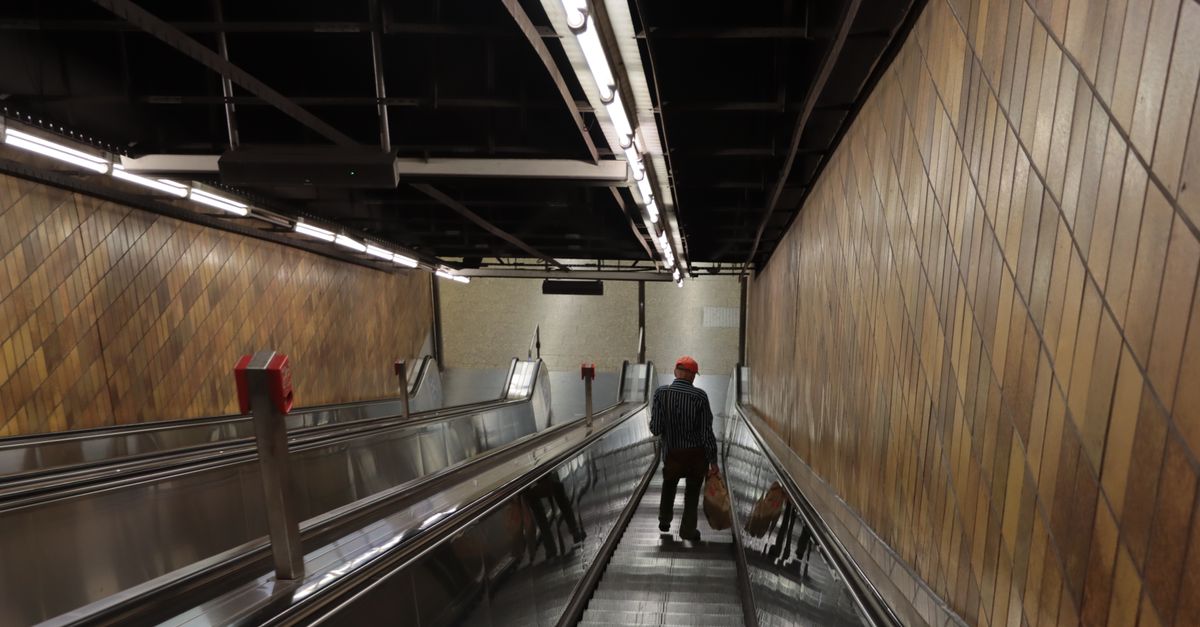
Ontario and the City of Toronto struck a big agreement. Around roughly 120 transit stations, builders will be allowed to construct at much higher density. Places where you could only put a freehold or single detached home before can now hold a six-storey apartment, sometimes more. Over the next 25 years this could unlock capacity for about 1.5 million new homes. That is a real shift in how the city grows.
What higher density does to land and prices
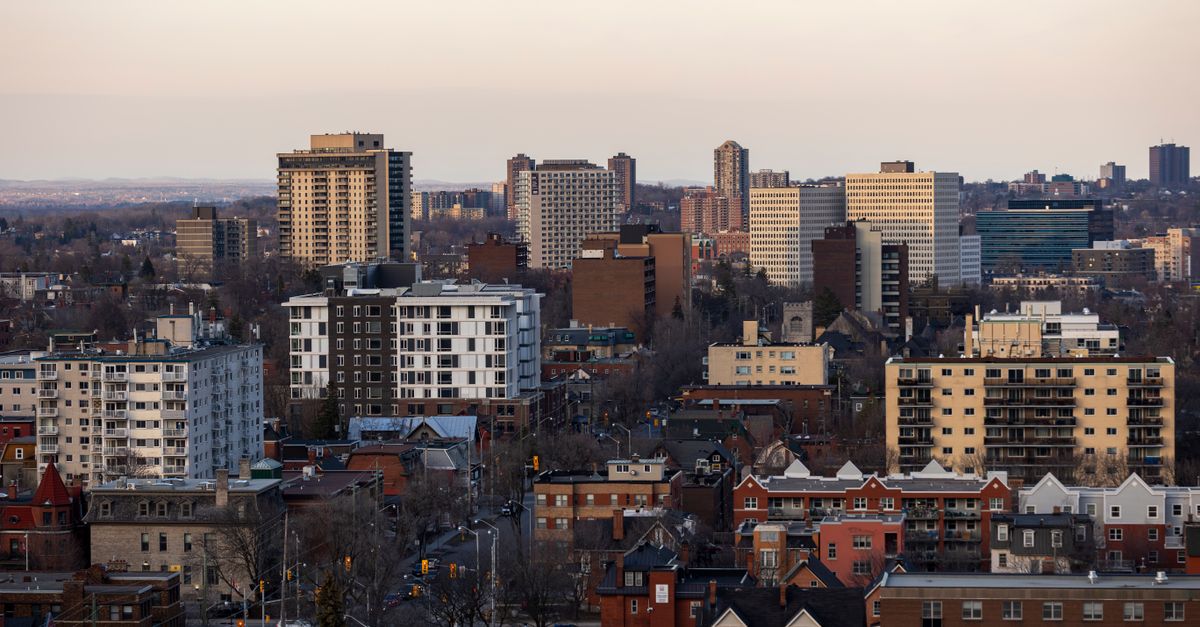
Two effects are worth watching. First, land near subway and GO stations gets more valuable, which makes sense: if you can build many units on one lot, that lot is worth more. Second, all that new supply works the other way on prices. More homes and units coming online means prices do not climb as sharply. Add in slower immigration and big projects breaking up neighbourhoods that used to be only houses, and this may not be as attractive to investors as it first sounds.
The 30 million dollar standoff with Ottawa
The third story is a fresh fight between Ottawa and Toronto. The federal government cut part of the city's housing budget, and Mayor Olivia Chow is not happy. Things got cold enough that a joint press conference with the federal housing minister was cancelled with no explanation. At the heart of it is the federal Housing Accelerator Fund. Toronto is entitled to 118 million dollars from it in 2025, but with conditions. The minister said that if Toronto does not legalize six-plexes, six-unit buildings, across the whole city by year end, 30 million dollars gets pulled. City council only approved the plan in 19 of 25 districts, and many neighbourhoods are pushing back. The mayor argues six-plexes are not in high demand and would rather use the money to cut development charges instead, which can run up to 150,000 dollars per unit. The city believes that move could open the door to 30,000 new units.
What this means for you
Put it together and the picture is mixed. Lower fixed rates help, but the Bank is not done watching core inflation. More density could ease price pressure over time, though not evenly across the city. And the funding fight is a reminder that policy, not just the market, shapes what gets built and where. If you are weighing a move, this is exactly the kind of moment to talk it through with someone who reads these numbers every day. Fill out the form at the bottom of the page or book a free consultation, and we will look at your situation together. Stay well and take care.

Frequently asked questions
Does lower inflation mean mortgage rates will drop soon?
Not necessarily. Headline inflation fell to 1.7 in July, but much of that was cheaper gas. The Bank of Canada watches core CPI, which is still between 2.5 and 3, so rate cuts may come slower than the headline suggests.
How many new homes could the transit density plan create?
The agreement around roughly 120 transit stations could unlock capacity for about 1.5 million new homes over the next 25 years, with six-storey buildings allowed where only single homes stood before.
Why might Toronto lose 30 million dollars in federal funding?
The federal Housing Accelerator Fund requires Toronto to legalize six-plexes across the whole city by year end. Council only approved it in 19 of 25 districts, so 30 million dollars of the 118 million is at risk.