
Toronto Opens Its Main Streets to Small Builders: What Changed
Toronto just changed one of the oldest rules in its building playbook, and if you invest in real estate here, you should pay attention. For years, builders were locked out of putting up small, low mid-rise buildings on the city's main streets. That door is now open.
I'm Moe Asgarian, Principal Real Estate Broker in Toronto, ranked #47 worldwide at RE/MAX and in the top 1% in Canada. Here is what the new rule says, plus a few other housing stories that landed on my desk this week.
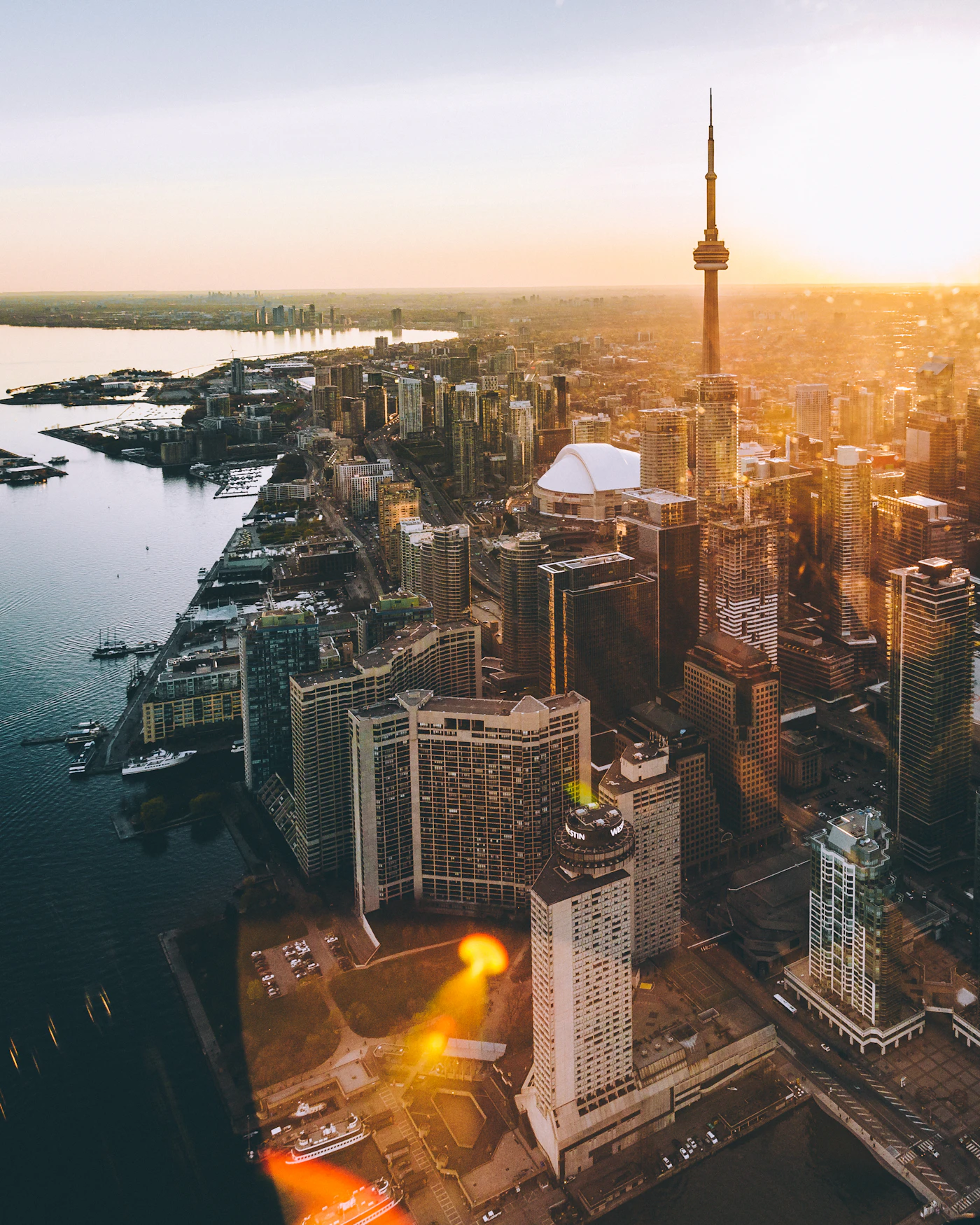
Six-storey buildings on Toronto's main streets
The old limit was simple and frustrating. You could not build small residential mid-rise buildings, six storeys or under, along Toronto's major streets. The city has now passed a bylaw that allows exactly that. We are talking about buildings up to six storeys with a maximum of 60 units, sitting right on the main avenues.
One detail I found interesting: the first draft floated a much higher cap. The number being discussed was up to 330 units. In the end, they agreed on a maximum of 60. Smaller scale, but far more of these projects can now go ahead.

Why the industry welcomed it
The head of the Toronto Regional Real Estate Board came out in favour of the policy. His point was straightforward. In a market with a supply problem and not enough homes, any decision that gets more homes built is good for people. Other experts looked at it through an economic lens and called it a start, a way to put some downward pressure on Toronto prices so more people can buy something affordable.
For an investor, this is one of the better options I have seen in the city. A small building on a main street can give you solid monthly income while you hold it, and a healthy profit when you sell the project down the road. I'll break down which neighbourhoods qualify and how the process works in more detail soon.

Ontario's Homeowner Protection Act
The second story moves from the city to the province. Ontario passed something called the Homeowner Protection Act, and it introduces a set of new tools meant to reduce the harm that can land on buyers and homeowners. A few of them matter a lot.
The first targets something called a NOSI, a Notice of Security Interest. Here is where it bites. When we go to sell a home for a client, we sometimes find they owe extra charges before the sale can close. Certain companies, security-system providers for example, register interest against equipment installed in the house. When you want to end that contract so they remove their equipment, they hit you with a penalty. Ontario has now banned these NOSI registrations.

The cooling-off period and a look at builder history
Another new tool extends the 10-day cooling-off period. It used to apply only to pre-construction condos. Now it covers all pre-construction purchases. Whatever you buy pre-construction, you get 10 days to actually read the contract. If you want to cancel, you can. If you want changes, you can go back to the builder or developer and ask. On top of that, the track record of builders whose projects were cancelled is now public in Ontario, so you can judge a builder by how many of their projects fell through. The law also makes life harder for illegal builders, and that matters, because a home built by an illegal builder comes with no warranty and no protection program.
A slow market and record debt
The last number that caught my eye was a 3.14% rise in Canadians' residential mortgage debt, which has now reached $2.16 trillion. That is actually the smallest annual increase we have seen, and it tells a story. Through the months when everyone was waiting for interest rates to fall, the market was slow and sitting still. Now rates have come down, and I am very curious to see what that does to activity in the months ahead.
If you are weighing an investment on one of these main-street sites, or you just want to understand how the new rules affect your next move, fill out the form at the bottom of this page or book a free consultation and let's talk it through. Stay well and take care.
Frequently asked questions
What is the new Toronto main-street building rule?
The city passed a bylaw letting builders put up small residential mid-rise buildings, up to six storeys and a maximum of 60 units, along major streets where that was previously not allowed.
What does Ontario's Homeowner Protection Act change for buyers?
It bans NOSI registrations that hit sellers with equipment penalties, extends the 10-day cooling-off period to all pre-construction purchases, and makes builders' cancelled-project histories public.
How much is Canada's residential mortgage debt?
It has reached $2.16 trillion, up 3.14% over the year, which is the smallest annual increase on record and points to a market that slowed while buyers waited for lower rates.