

A sixplex is not legal everywhere in Toronto. At the time of writing in mid 2026, buildings of up to four units are possible almost city wide, but six units are only permitted in parts of Toronto and East York and in one district of Scarborough. Zoning is only the first test. Financing is what decides whether the project pays.
I am Moe Asgarian, a principal real estate broker in Toronto and ranked #47 worldwide at RE/MAX. I have spent these years working specifically on multiplex and density projects, so what follows is what I see in my own deals. A lot of people heard that sixplexes are now on the table and concluded that anyone can build six units on any lot and make good money. The reality is more complicated than that.
Where a sixplex is actually allowed
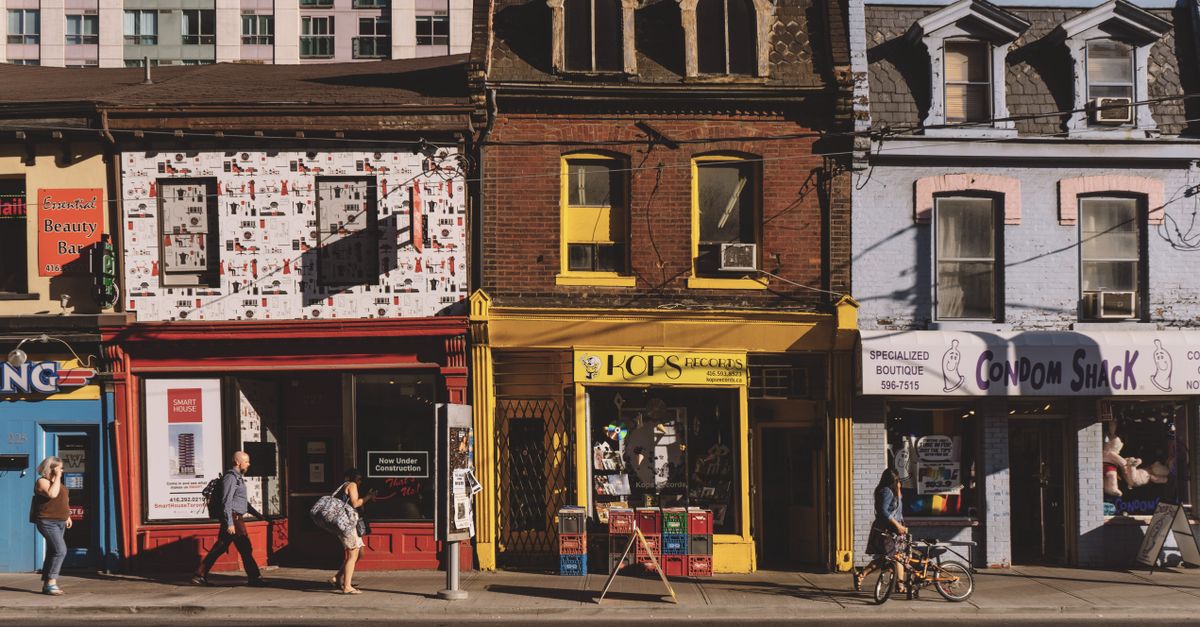
Start with the map, not the spreadsheet. As of mid 2026, four unit buildings are permitted across almost the whole city. Six unit buildings are narrower: parts of Toronto and East York, plus one district in Scarborough. Before you do anything else, make sure the property you are looking at sits in an area where this kind of construction is allowed. A lot that cannot legally hold six units is a different project with different numbers, and no amount of design work changes that.
One warning that matters more than any single rule. The city rewrites its multi unit regulations most years. I am writing this from a mid 2026 position, and by the time you read it the permitted areas, the exemptions and the municipal conditions may all have moved. Treat any list, including this one, as something to verify on the day you buy.
What a sixplex is and why the city wants them
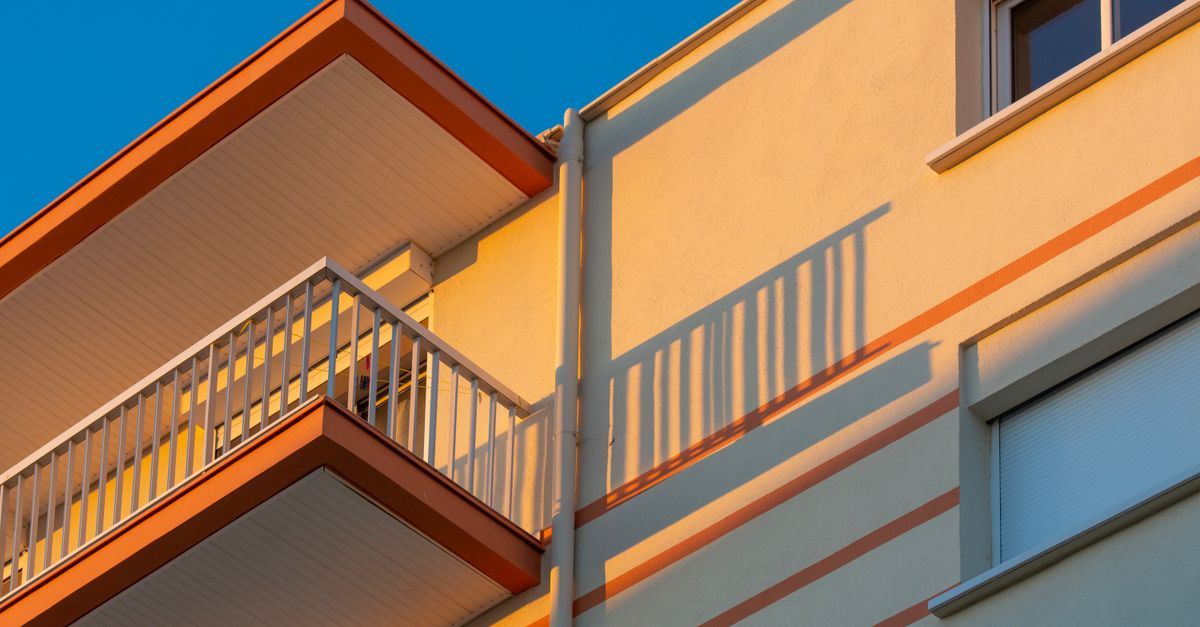
A sixplex is one building with six independent residential units. What the city is after with these permissions is middle housing, the units that sit between single family houses and tall towers or condos. Put simply, the city wants more homes coming to market without approving new skyscrapers. That intent is worth understanding, because it is the reason the incentives exist at all.
Even where six units are allowed, you cannot pick up a shovel tomorrow. You still need a building permit, and the project still has to satisfy height limits, setbacks from neighbours, lot coverage, fire regulations and the rest of the municipal code. Plenty of projects also need minor variances and additional approvals on top of that.

Why financing, not land, is the real obstacle
In my opinion the biggest barrier to multiplex construction is still financing. The problem is not a shortage of land or of demand, it is access to suitable construction lending. Banks often apply the same lending structure to a four or five unit multiplex that they apply to a twenty storey tower, and that alone makes many small projects uneconomic.
Take a four unit build. Today the practical route is to register the building as a condominium corporation and create four apartment units. Then, when you need financing, you presell like an apartment developer and take those presales to the banks. Large banks may decline you outright for having no history and no track record. Presales at least give you a financing option, on the same footing as an apartment project.

At six units and up, a different door opens. The government has attached real advantages to rental construction through the CMHC programs the market calls MLI Select. You no longer register the building as a condominium with separate title for each unit. You define the project as a rental building, the whole building carries one title, you cannot sell the apartments one by one, and the exit is the sale of the entire project. In exchange the terms improve: amortization stretched to thirty five or forty years instead of twenty five, and interest rates that can be better than what the same borrower pays on a residential mortgage. That is why almost every builder and developer I see is working inside those rental programs now and has pulled back from condo building.
The trade off is speed and flexibility. CMHC approvals take a long time and carry a lot of paperwork, and delays of several months cost a project real money. Banks are also slow to re decide mid project: if construction costs rise, a permit is late or the drawings change, they usually cannot move quickly or adjust the loan terms. That is why many smaller builders start with private lenders at a higher rate, finish the project, and only then go to CMHC.

Development charges, HST and the tax position
Over these years Toronto has applied significant exemptions and reductions on development charges for many small multi unit projects of up to six units. Knowing which ones apply to you can save tens or even hundreds of thousands of dollars on a project, and that saving goes straight into your return. These are also exactly the rules the city changes most often, so confirm them as of the day you apply.
On tax, the pattern used to be simple. Most people building were keeping the project as a rental in order to be exempt from HST. At the time of writing in mid 2026, that relief applies to new homes more broadly, which puts a second exit back on the table: build the multiplex, register it as a condominium and sell the units individually while using the HST rebate, given the changes the federal and Ontario governments have made. Price both exits before you commit to one.

The land math I run before anything else
Here is the formula, and I use it on every deal. Take the price of the land you are buying and divide it by the rentable square footage. Good projects sit at roughly $100 to $150 per rentable square foot. Expensive ones can reach $300. That one number tells you very quickly whether the asking price on the land is worth paying.
Then the cost side. Construction costs in Toronto are still high. As of mid 2026, estimates put the floor at about $225 per square foot, with an average closer to $300 per square foot. So if someone tells you they will build for $200 a square foot, you are probably being handed an unrealistic estimate. One more piece of advice: go for the larger multiplex where you can, because cost per square foot drops. You pay for fewer bathrooms, fewer kitchens and less mechanical and fire protection work per square foot of building.
The return comes from rent, not from a fast sale
Most investors who enter this space are not looking to flip. The common model is to buy the property, convert it into a sixplex, rent the units, and use the rental income to build cash flow and grow the investment. Worth knowing too: many of the sixplexes going up today were never built from scratch. An older detached house is bought, an addition goes on, the basement is rebuilt, and the building ends up as five or six legal units. In the right situation that is cheaper and carries less risk than full demolition and new construction.
So keep this in mind. Legal permission to build a sixplex does not by itself make the project profitable. Land price, construction cost, the interest rate on your loan, the rent you can actually collect, lot size and the condition of the existing building all bear directly on the outcome. A great many lots in this city can legally hold six units and are still not attractive financially. Over the past year Toronto construction rules have shifted noticeably in favour of density, and where you could once build one house you can now often build four, six or more units, sometimes with tax and charge exemptions attached. That is opportunity, not a guarantee.
If you are weighing a multiplex project and want the numbers run properly before you make an offer, fill out the form at the bottom of this page or book a free consultation. Stay well and take care.
Frequently asked questions
Is a sixplex allowed anywhere in Toronto?
No. At the time of writing in mid 2026, buildings of up to four units are possible almost city wide, while six unit buildings are only permitted in parts of Toronto and East York and in one district of Scarborough. The city also revises its multi unit rules most years, so confirm the zoning on the specific property before you buy.
Why do investors build six units instead of four?
Financing. Once a building reaches five or six units, some banks and lending programs treat it as a small multi unit project, which can mean larger loans, longer repayment periods and better terms. Six units and up also opens CMHC backed rental financing, with amortization stretched to thirty five or forty years and rates that can beat a residential mortgage.
How do I tell quickly whether the land price works?
Divide the land price by the rentable square footage you can build. Projects around $100 to $150 per rentable square foot generally work, and expensive ones reach $300. Weigh that against construction costs in Toronto, which as of mid 2026 start at roughly $225 per square foot and average about $300.
Read us often? Add Team Asgarian to your preferred sources on Google. (opens in a new tab)