

The half-billion dollar aid to Toronto was the biggest housing story of the final days of 2023. I want to give a short explanation of this funding, then walk through what actually happened and what this decision means for how we live and invest in the Toronto housing market.
I am Moe Asgarian, Principal Real Estate Broker in Toronto, and I spend my time on the real estate stories that actually matter to your money.
What Trudeau actually announced
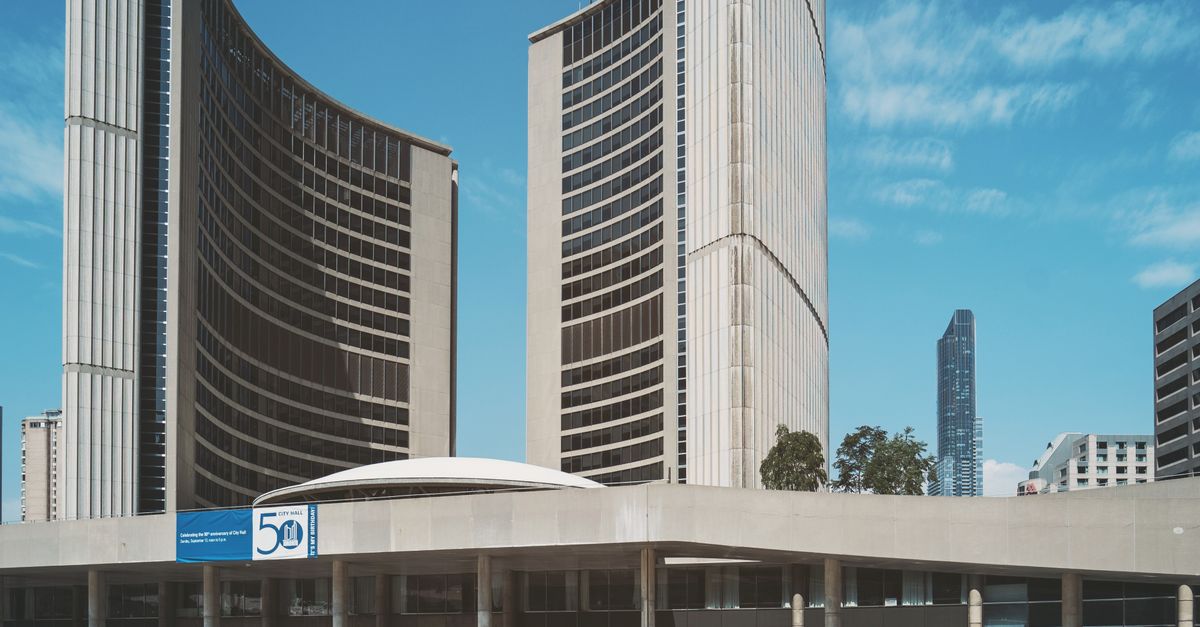
On December 21, 2023, Prime Minister Justin Trudeau officially announced in Toronto that the federal government is giving the city $471 million, close to half a billion dollars, through something called the Housing Accelerator Fund. With this, total federal support to Toronto reached about $990 million. The government says that over three years this money will help build 12,000 housing units, and over the next ten years it will help build 53,000 units in total. All of this is part of a $4 billion package the government announced the year before to deal with the housing crisis in Canada.
Why homes keep getting more expensive
To keep it simple, two things push the price of a home up in Toronto, or in any city. The first is population growth. The second is the rising cost of building. Population drives demand, and Canada added about 431,000 people in just the third quarter of 2023, with most of them heading to Toronto. Construction costs feed straight into the final price of a home. Both are pulling in the same direction.
Will half a billion dollars fix it
Honestly, I do not think half a billion dollars is a lot of money for a problem this size. What will this money actually do? We do not know the details yet. It could be spent to get permits approved faster, to build more affordable homes, to support rental investment, or to help people in Toronto who have no home at all. There are many good ways to put it to work.
The density problem in the neighborhoods
Here is another issue. Some neighborhoods have very low density, full of detached homes, and both residents and the local council push back against new construction. One path is to spend the budget on public amenities and infrastructure inside those neighborhoods, so the community is more willing to accept more homes nearby. Money that lowers the cost and the friction is money well spent. The Toronto Regional Real Estate Board reacted to the news too, stressing that faster approvals and more density would help, and that a multi-story housing policy could point the market toward a better future.
What this means for buyers and investors
Will building 12,000 homes over the next few years raise the buying power of someone trying to buy their first home? In my view, no. I doubt it changes much. I think the amount of aid needs to be bigger, and the way it gets spent needs to directly lower the cost of building homes so ordinary people can buy better. Even so, there are real opportunities in this market. There is good room to invest in both freehold homes and condos.
One of the things my colleagues and I at Team Asgarian do is advise on investing in and buying homes in Toronto. If you are thinking about investing in this market, I can help. Fill out the form at the bottom of this page or book a free consultation so we can talk. Stay well and take care.
Frequently asked questions
What is the Housing Accelerator Fund?
It is the federal program under which Ottawa gave Toronto $471 million, close to half a billion dollars, to help speed up and expand housing construction.
How many homes is this money supposed to build?
The government says 12,000 units over three years and 53,000 units over the next ten years, all part of a larger $4 billion national package.
Will this lower home prices for first-time buyers?
In my view, not much. The amount needs to be bigger and spent in ways that directly lower building costs before ordinary buyers feel real relief.