

Three reports crossed my desk this month and each one tells you something useful about where Canada's economy and housing market are heading. One is about gold. One is about home prices. One is about immigration. Read together, they sketch a picture that is more honest than the headlines.
I am Moe Asgarian, Principal Real Estate Broker in Toronto, ranked 47th worldwide at RE/MAX. Here is what these reports actually say, and what they mean for you.
Canada Becomes a Gold Powerhouse
BMO told investors that Canada is on track to become one of the biggest gold exporters in the world. Gold production here has grown quietly over the last 25 years, and the industry is ready to ride the latest jump in prices and push exports higher. The value of gold and silver exports now sits at roughly $58 billion, almost matching the entire value of car and truck exports. That makes gold the second largest export product after crude oil.
Twenty years ago, car and truck exports were 20 times bigger than gold. Now gold has passed everything except oil. Price is part of the story, with gold up about 50 percent over the past 12 months, but Canada also raised gold production more than 70 percent since 2020. Keep one thing in mind: the Bank of Canada holds no gold reserves, so it does not gain from the price. Still, when gold gets expensive it usually signals worry about stocks and profits, so this is a mixed blessing.

What RBC Sees for Housing Next Year
RBC says the Canadian housing market may have better days ahead, but expect bumps along the way. Sales are improving slowly, and the recovery is uneven, sometimes stronger and sometimes weaker. Home sales across Canada were down roughly 1.7 percent, yet RBC expects that as interest rates fall next year, prices in some regions will ease and buyer demand will climb again.
The recovery will not be fast. I would not expect the full effect to show up inside the next 12 months. We still have economic uncertainty in Canada, a soft job market, and household budgets that are stretched. American tariffs keep pressure on the economy too. RBC also expects prices in Toronto and Vancouver to come down more than in the rest of the country, which matters if you are buying here.
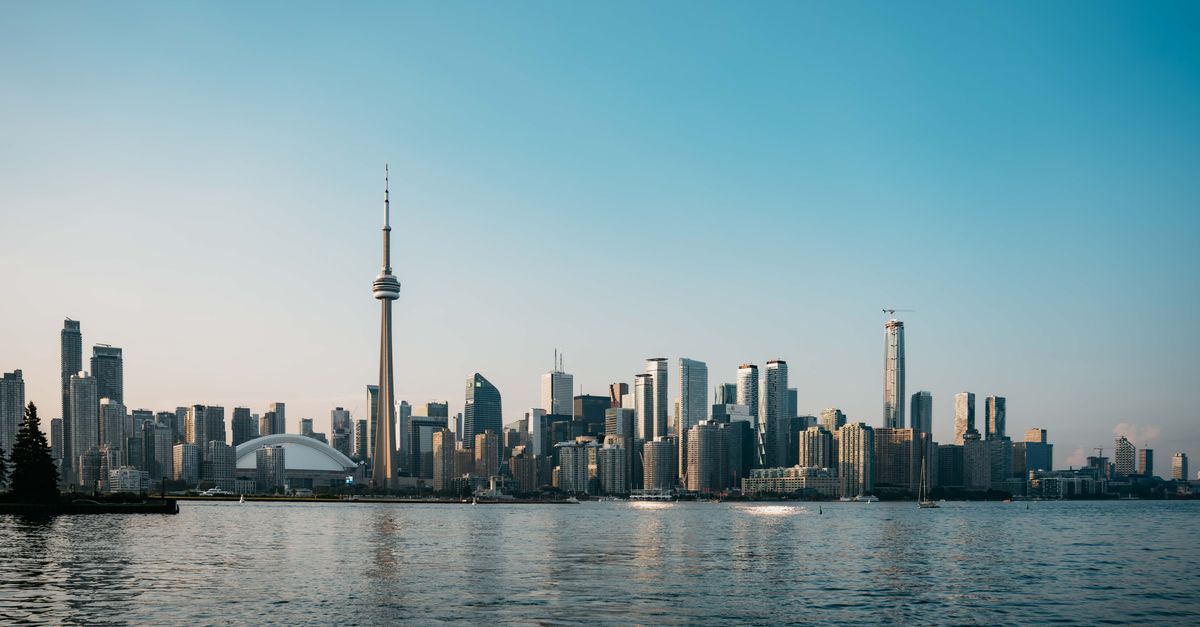
Immigration and the Real Story of Canada's Economy
CIBC took on the immigration question directly. Their view is that Canada's economic slowdown was going to happen regardless of immigration policy. The structural problems were sitting there after the pandemic ended and were bound to surface sooner or later. Falling GDP per person and weak productivity are the two main reasons for the decline, and Canada's GDP per capita is the lowest among comparable countries.
Cheap loans gave the economy an artificial boost. Once rates went up and immigration slowed, that boost ran out. Interestingly, the report says the strong wave of immigration actually helped keep things from getting worse for a time. CIBC does argue the government made a mistake by leaning on international students to plug short-term labour gaps instead of building a long-term plan to bring in skilled newcomers. Their advice is a more targeted approach that supplies the skills Canada actually needs.

What This Means If You're Buying or Selling
Put the three together and you get a market that is steadying rather than surging. Gold tells you global confidence is cautious. RBC tells you Toronto prices should ease before they rise. CIBC tells you the recovery depends on real productivity, not a quick fix. For a buyer, that patience can work in your favour. For a seller, pricing to today's market beats waiting for a boom that arrives slowly. If you want to talk through your own situation, fill out the form below or book a free consultation. Stay well and take care.
Frequently asked questions
Is a higher gold price good news for the economy?
Not usually. When gold climbs, it often means investors have lost confidence in stocks and business profits. Gold up 50 percent over 12 months is a safe-haven move. That said, Canada still benefits because it is producing and exporting more of it.
Will home prices really drop next year?
RBC expects gradual improvement in sales, not a straight line, with some regions seeing prices ease as interest rates fall. Toronto and Vancouver are expected to soften more than most of Canada. Do not expect the full effect inside the next 12 months.
Did immigration cause Canada's economic problems?
CIBC says no. The report points to falling GDP per person and weak productivity as the real drivers. Heavy immigration actually kept things from getting worse for a while, though the policy was aimed at short-term labour gaps rather than a long-term plan.