

As of April 2025, with the federal election weeks away, neither the Liberal nor the Conservative housing plan solves the real problem in this market. Both promise to roughly double homebuilding. But as of April 2025 about 75% of Toronto's housing market was resale, and the blocker in the GTA is that building is not profitable for builders.
I am Moe Asgarian, Principal Real Estate Broker with RE/MAX in Toronto, ranked #47 worldwide. I put this together in the second week of April 2025, so the poll numbers and promises below are the picture at that date. Positions and public opinion can move fast before a vote.

What Canadian voters actually cared about
A new Ipsos poll in April 2025 put four concerns at the top: cost of living and inflation, healthcare, Canada's relationship with the United States, and housing. Whichever party convinced voters it was credible on those four was going to win, and that is why housing got so much airtime in that campaign. In the second week of April 2025, polls had the Liberals near 46% nationally and the Conservatives near 34%. The gap was closing at that point, and a few months earlier the picture had been the reverse, with surveys showing Pierre Poilievre winning comfortably.
Build Canada Homes and the 500,000 home target
The centre of the Liberal plan, as announced by April 2025, is a new entity called Build Canada Homes, BCH for short. It would put $25 billion in loans into prefabricated home construction and $10 billion into affordable housing, split as $6 billion in grants and $4 billion in low cost loans. Most of the support is aimed at the manufacturers, so they can produce cheap prefab homes in Canada. Ottawa did something similar in the 1940s, after the Second World War.
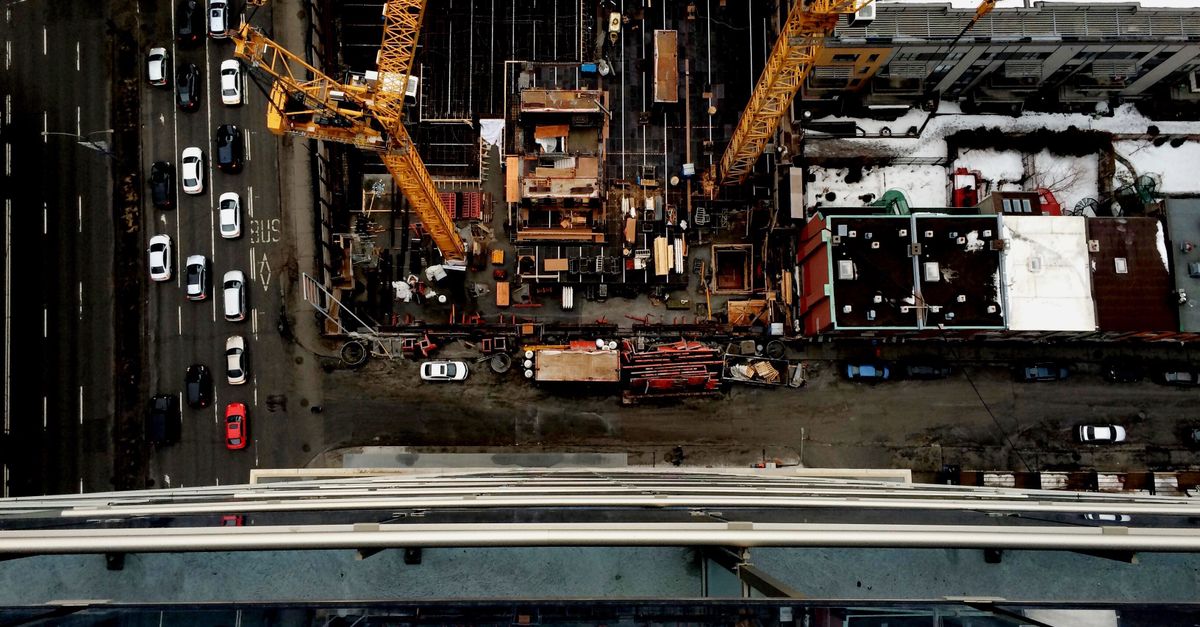
The number attached to it is 500,000 new homes a year, roughly double what was being built as of April 2025. I do not see how that happens, and plenty of analysts, including committed Liberal supporters, said the same thing at the time. There are companies here with hundreds of billions of dollars behind them that have been building in Canada for decades, in subdivisions, high rises and whole new communities. If they could not or would not build more, I am not sure how a few billion dollars of federal money changes the flow. Canada's climate and site conditions also make it genuinely hard to bring prefab into the housing industry at scale. If it worked and paid, private capital would have done it years ago.
The GST cut on new homes, and who it reaches
Both parties promised to drop GST on new construction, with different details. As set out in April 2025, the Liberal version applies only to homes under $1 million and only to first-time buyers. Poilievre's cap, as of April 2025, is higher at $1.3 million, and his version covers every buyer, not just first-timers. The Conservative logic is that more new home sales pull more building.

Here is the problem in Toronto. As of April 2025, roughly 75% of this market was resale, so GST relief never touches those deals. And the criticism of a universal exemption is fair: a large share of GTA condo buying up to that point had been investors, so removing GST hands money back to investors rather than to end users.
The rest of the Liberal plan: MURB, permit fees and pressure on cities
As of April 2025, the Liberals also wanted to revive MURB, a 1970s incentive that let rental apartment investors deduct property costs and depreciation against their personal income. It produced about 20,000 rental units over roughly seven years. In Budget 2024 they had already raised the depreciation rate on rental apartments from 4% to 10% to push rental construction. They would also give tax relief to an owner who sells a rental to a non-profit or a non-profit housing fund and puts the proceeds into new rental supply.

Carney would also halve permit fees on multi-unit buildings, with the federal government covering municipalities' lost revenue for five years, plus faster approvals, performance reporting from cities, priority processing for builders with a good federal track record, and a simpler building code. Most of those levers belong to municipalities and provinces, so what Ottawa really holds is the budget: do this or you do not get the money. We have watched that approach across different governments for the last 15 to 20 years, and as of April 2025 municipal bureaucracy had not got shorter. It had got longer.
The Conservative plan: trades, quotas and a capital gains break
One Conservative idea I like, announced before the April 2025 vote, is easing immigration for people with skilled construction trades, to fill the labour gap. That can affect building directly. When my team did pre-delivery inspections on Toronto high rise and condo projects in early 2025, a large share of the workers on site were from Latin America and Mexico, and my read is that builders pay less for that labour than for a Canadian worker, which is part of the saving for them.
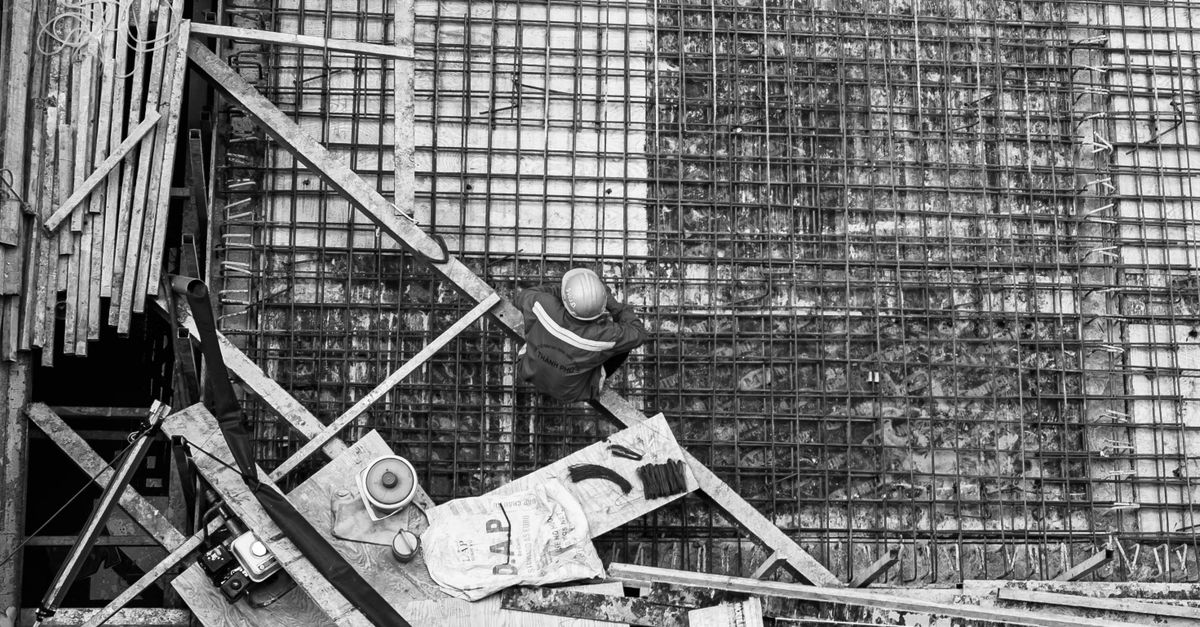
As of April 2025, Poilievre would scrap the Housing Accelerator Fund, the Liberal program meant to speed up approvals and lower construction costs, and replace it with a law he calls Building Homes Not Bureaucracy. Big cities get a quota and have to hit it to access federal funding. Miss it and there are penalties, including cutting transit or infrastructure money for cities near transit stations that do not build enough. His strongest idea, in my view, is the tax break for new construction: sell an asset, a rental property or a piece of land, put the money into new construction in Canada, and you are exempt from capital gains tax for now. I have many clients holding several properties who will not sell for exactly one reason, the tax bill. Give them the option to roll the proceeds into another build and they come to the market. As of April 2025, the Conservatives also said homebuilding doubles in five years, grown at 15% a year.
Why neither plan moves Toronto and the GTA much
As of April 2025, average home prices in Toronto ran at roughly ten times the annual income of a typical household. From the 1980s to the late 2000s that ratio normally sat between three and five. It broke down while Stephen Harper's Conservative government was in office, and failing to get housing under control was one of the main reasons that government lost its re-election. So as of the 2025 campaign this was not a one year or five year problem. With one sixth of federal seats sitting in this region, all three main parties had to campaign on housing.
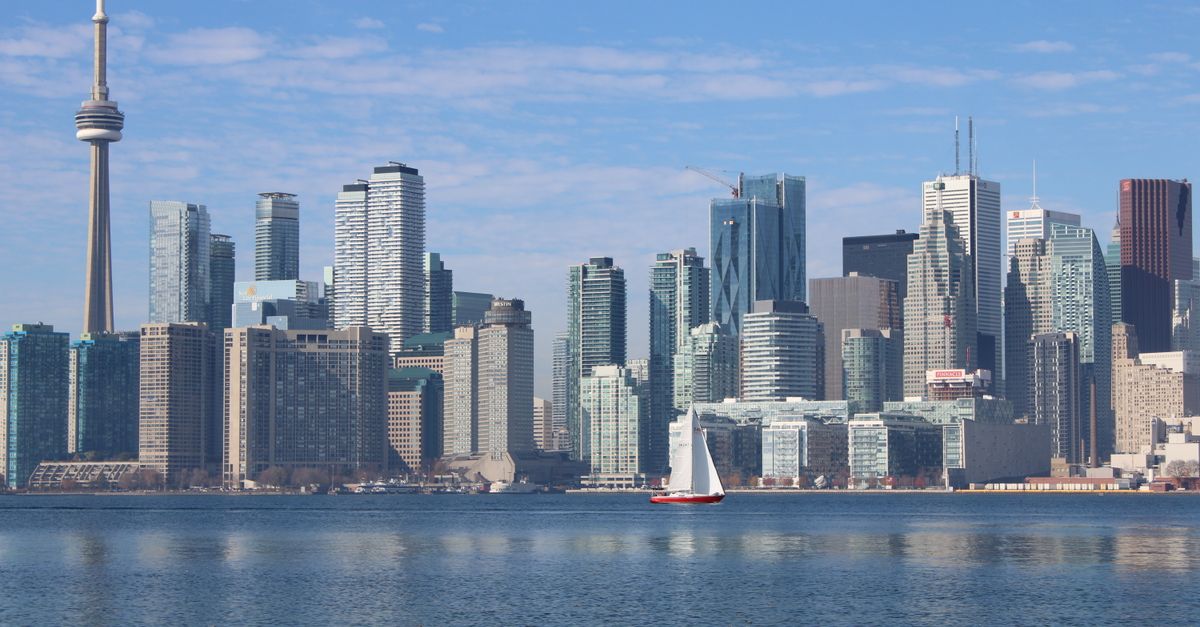
Carrots and sticks are not the issue. As of April 2025, plenty of permits had already been issued in Toronto and the GTA, and projects were being cancelled one after another anyway, because the math did not work for builders. Promising faster permits is the wrong address. In the lead up to the April 2025 election I sat in a seminar with large Toronto developers on exactly this question, why they are not starting projects. One of the biggest items they raised: as of that date, on a $600,000 one bedroom apartment in Toronto, something close to 25% to 30% of the price was tax going to the federal government, the province and the city. On a $600,000 unit in April 2025 that was around $140,000, and the buyer paid it, not the developer and not the municipality.
My conclusion is that Ottawa can only work at the margins. In the end supply and demand set the price. These plans may look good on paper, and as of April 2025 they had not helped. The useful focus would be lowering purchase costs for first-time buyers and giving builders tax relief, so that when a builder runs the numbers on a Toronto or GTA project it actually pencils.
If you want to work out what any of this means for a specific purchase or sale in Toronto or the GTA, fill out the form at the bottom of this page or book a free consultation. Stay well and take care.
Frequently asked questions
What was the Liberal housing plan in the 2025 federal election?
As announced by April 2025, the centre of it was Build Canada Homes, an entity that would lend $25 billion for prefabricated housing construction and put $10 billion into affordable housing, split as $6 billion in grants and $4 billion in low cost loans, with a stated target of 500,000 new homes a year. It also included removing GST on new homes under $1 million for first-time buyers, reviving the 1970s MURB rental incentive, halving permit fees on multi-unit buildings, and faster municipal approvals.
How did the Conservative housing plan differ in April 2025?
As announced by April 2025, the Conservative plan removed GST on new homes up to $1.3 million for all buyers rather than first-time buyers only, would scrap the Housing Accelerator Fund and replace it with a law setting build quotas for big cities with penalties for missing them, would ease immigration for skilled construction trades, and offered a capital gains deferral for anyone selling an asset and reinvesting the proceeds in new construction in Canada.
Why would removing GST on new homes do little in Toronto?
Because as of April 2025 roughly 75% of the Toronto housing market was resale homes, and GST relief does not reach a resale transaction at all. On top of that, a large share of GTA condo purchases up to that point had been made by investors, so a universal exemption returns money to investors rather than to end users.