

If you were buying, yes, that market was yours. In September 2026 the Greater Toronto benchmark price was $917,000, more than 27% below the market's peak, with 26,131 active listings on the market. Buyers had choice, time and real negotiating room. Sellers had almost none, and for them the same report was a warning.
I am Moe Asgarian, a Principal Real Estate Broker in Toronto and the head of Team Asgarian, and I follow the Greater Toronto numbers every month. September 2026 was one of those months when two headlines said opposite things and both were right. Here is what the report actually said, and what I tell clients to do with it.

What the September 2026 numbers actually showed
September is normally one of the busiest housing months in Canada, because buyers come back once the summer holidays end. September 2026 did not follow that script. Only 5,040 transactions were recorded across the Greater Toronto Area that month, about 9% fewer than in September 2025, and sales volume was flat against the quiet summer month of August 2026.
New listings came in at 16,500 units in September 2026, down more than 14% from a year earlier. Even with fewer homes coming to market, inventory stayed heavy: 26,131 active listings, the largest September supply in 13 years. Months of inventory sat at 4.6, which means that at that month's pace it would take roughly four months to sell through everything available. That is the doorstep of a full buyer's market. Homes that did sell took 35 to 50 days on average.

Why the average price and the benchmark price disagreed
Some outlets reported that average prices rose in September 2026 while analysts talked about prices falling. Both groups were reading real numbers, just different ones. The average price in September 2026 reached $1,006,000, about $1,300 higher than in August 2026. That is arithmetic, not strength: August is a holiday month, so fewer expensive houses trade, and a handful of large, costly house sales in September pulled the overall average up.
The benchmark index measures the value of the same standard property over time, and it told a different story. In September 2026 the benchmark price fell $8,000 to $917,000, roughly 5% below a year earlier. In real terms, Toronto home values were more than 27% below the market's peak and still resting on a six-year floor. When those two measures split, the benchmark is the one that tells you what your own house is doing.

Semi-detached homes were the one winner of fall 2026
The sharpest divide in the September 2026 report was between property types. Semi-detached sales jumped more than 32% from August 2026, and the average semi-detached price reached $1,027,000. In the City of Toronto, semis were the only property type to post annual growth of about 2% that month, and in some neighbourhoods they sold up to 4% above the asking price.
The reason is not complicated. Many families could not carry a detached house at September 2026 prices, so they moved their demand down one rung to semis. If you are shopping for a semi in Toronto in a market shaped like that one, do not assume competition has gone away the way it has in the rest of the market.
Condos were the weakest part of the GTA market
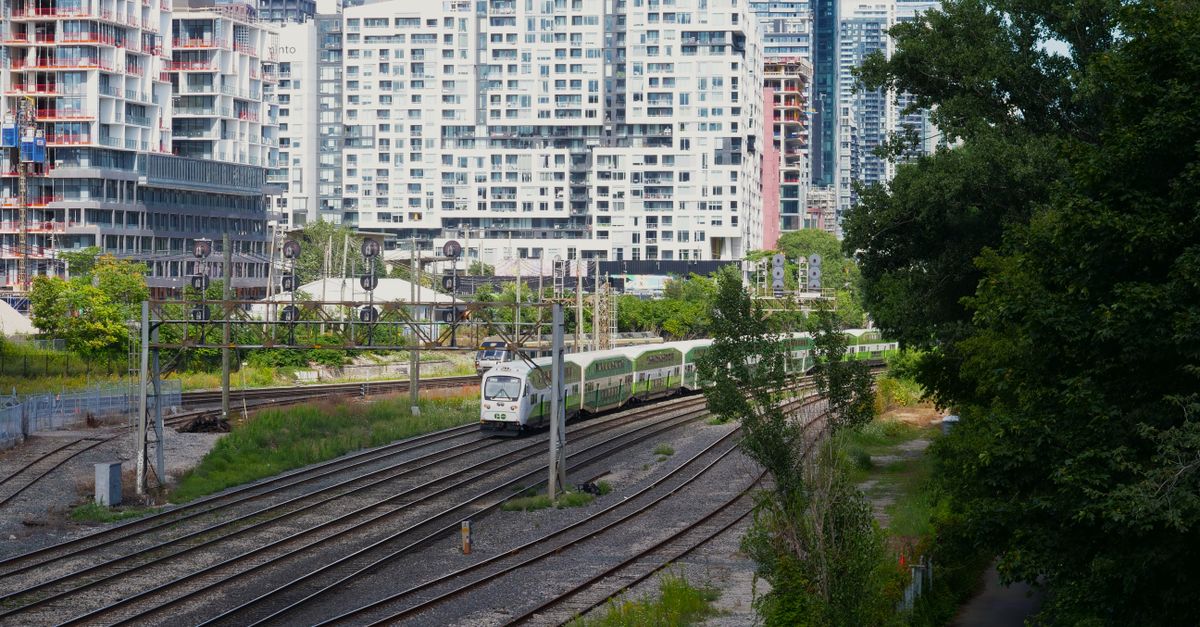
Condos and apartments had the worst month of all. The average condo price across the Greater Toronto Area fell to $650,000 in September 2026, an annual drop of close to 8%, and inside the City of Toronto, the 416, the average condo sat at roughly $640,000. Condo inventory climbed sharply and condos spent the longest time on market of any property type.
Detached houses were quiet rather than weak. The average detached price across the region was $1,292,000 in September 2026, more than 7% below the same month a year earlier.
Where prices sat across Halton, York, Peel and Durham
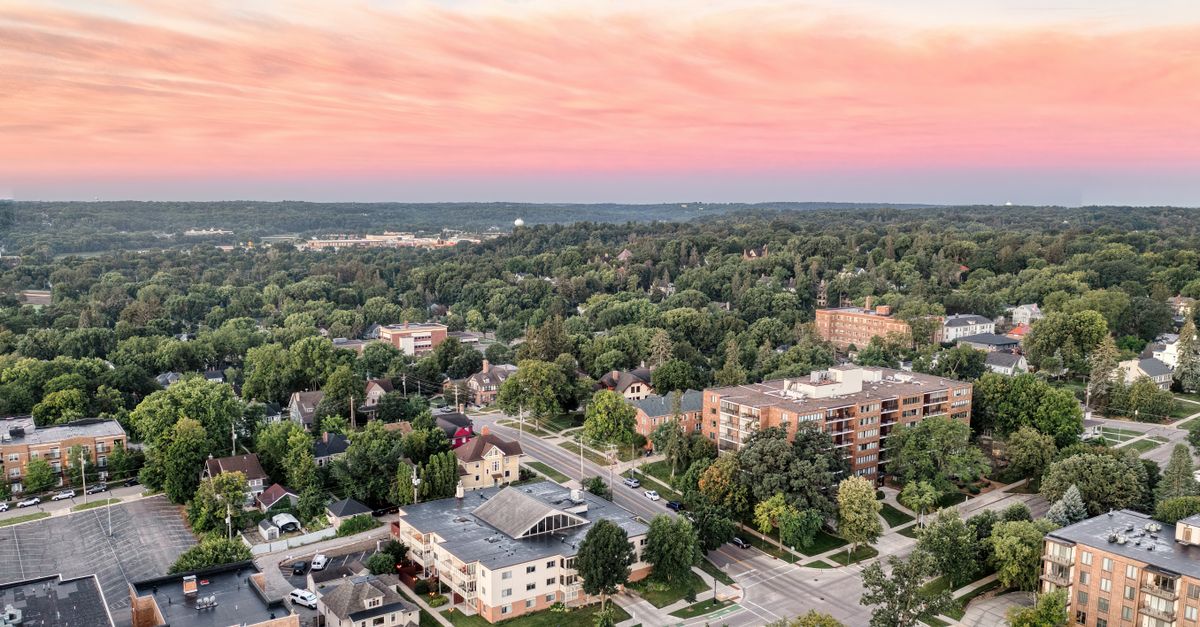
The geographic gap was wide that month. Halton was the most expensive region in September 2026, averaging $1,139,000, with York Region second. Inside the City of Toronto the overall average was $1,034,000, and close to 40% of all transactions happened within city limits. Peel averaged $906,000.
Durham was the busiest and fastest market in September 2026, averaging about $828,000. Inventory there was lower than in other regions and listings found buyers more quickly. The pattern is worth keeping: the closer a price level sits to what a family can actually carry, the faster homes change hands. Buyers keep choosing the better-priced outer suburbs so their mortgage payments stay lighter.

What this means if you are buying or selling in a market like this
In a market like September 2026, with about 26,000 homes listed and sitting, a buyer has no reason to hurry. Outside of specific cases in semi-detached pockets, the era of competing offers was over. Go after a real discount on anything that has been listed for a long stretch.
If you are selling, be alert. That kind of autumn is not a market where you can post a high price to test the water. If your home does not attract a serious buyer in the first two or three weeks, it will usually sit and gather dust. Price it off the most recent sold comparables on your own street and in your own pocket, not off a hope. The sellers who make peace with the real number early sell sooner and with a smaller loss.
Low transaction counts plus stubbornly high inventory tell you buyers are being careful, and a market like that rewards the people who walk in with open eyes and exact math. If you want that math run on your own purchase or sale, fill out the form at the bottom of this page or book a free consultation, and we will go through your numbers together. Stay well and take care.
Frequently asked questions
Did Toronto home prices really fall 27%?
Measured by the benchmark index in real terms, yes. In September 2026 the Greater Toronto benchmark price was $917,000, about 5% lower than a year earlier and more than 27% below the market's peak, which left values sitting on a six-year floor. Average prices looked better that month only because a few large luxury sales pulled the arithmetic average up.
Was September 2026 a buyer's market in the GTA?
It was on the edge of one. There were 26,131 active listings, the highest September supply in 13 years, and months of inventory sat at 4.6, meaning it would take roughly four months to clear the market at that month's sales pace. Homes that did sell took 35 to 50 days on average.
Which Greater Toronto region was the most active in September 2026?
Durham Region. Its average price was about $828,000 that month, inventory there was lower than in other regions and listings found buyers faster. Halton was the most expensive region at an average of $1,139,000, with York Region second, while the City of Toronto average was $1,034,000.