
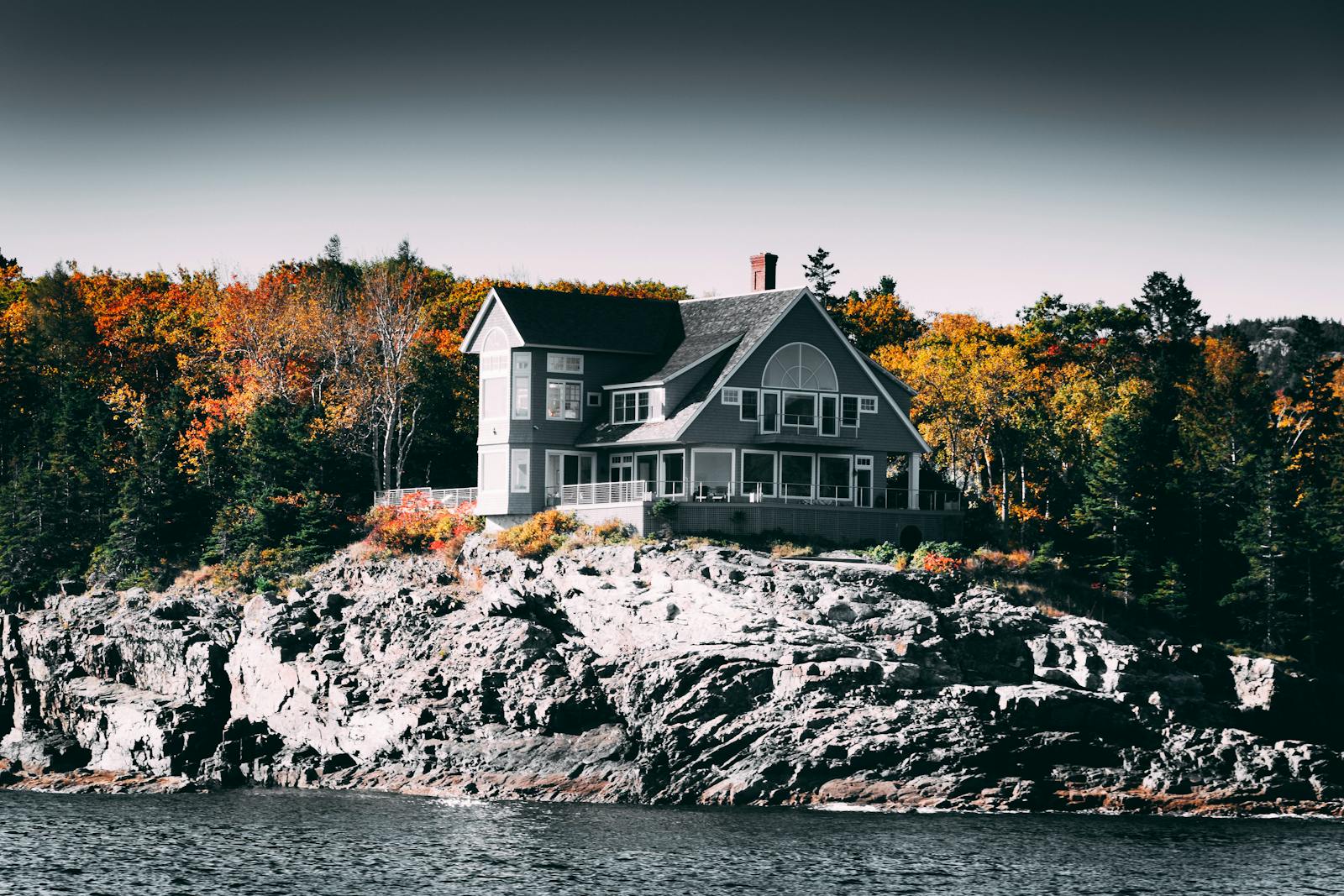
There is no single number for what a cottage costs to own in Ontario. Two cottages on one lake can carry very different bills. The real answer is a seven-line worksheet: property tax, insurance, hydro and heat, water and septic, road and plowing, opening and closing, and the drive. Get the real bill behind each line before you offer.
Why the Ranges Online Do Not Fit the Cottage You Are Looking At
Here is what we see from Toronto. In our own search data this September, one Wasaga Beach listing address drew more impressions than any other address query on our site, and almost nobody clicked. Families in Richmond Hill, Markham and North York are quietly looking north, typing in addresses, and not finding a straight answer about what the place would cost to keep.
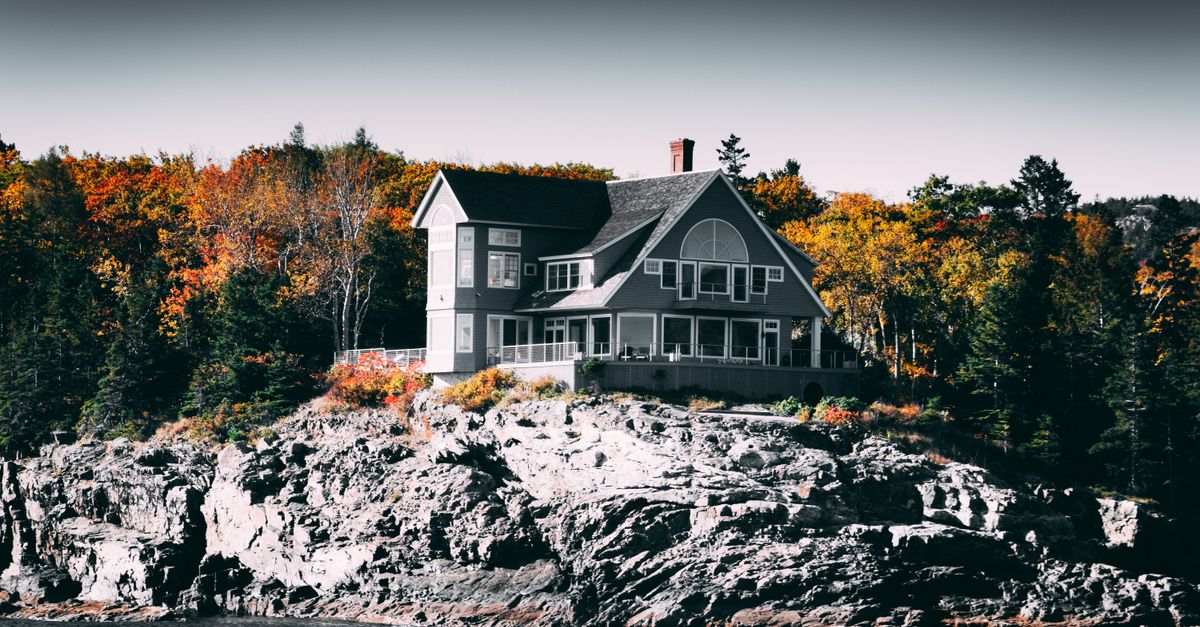
The ranges they find online do not help much, because those pages lump a winterized four-season home on a plowed municipal road together with a three-season cabin on a private lane that draws its water from the lake. The number you need is not what cottages cost. It is what this cottage cost its current owner last year. That number exists on paper, and you can collect it during your conditional period, or before you even offer when listings are sitting.
The Seven-Line Worksheet and the Paper Behind Each Line
Six of these lines come from the seller or a supplier. The seventh you calculate yourself.

Property tax. Ask for the current tax bill. This is a second bill on top of your home in Vaughan or Aurora, and rural waterfront assessments surprise people.
Insurance. Get a quote from your own insurer before you offer, not after. Seasonal occupancy, distance to the nearest fire hall, a wood stove and waterfront exposure all move the premium, and some insurers will simply decline the property.
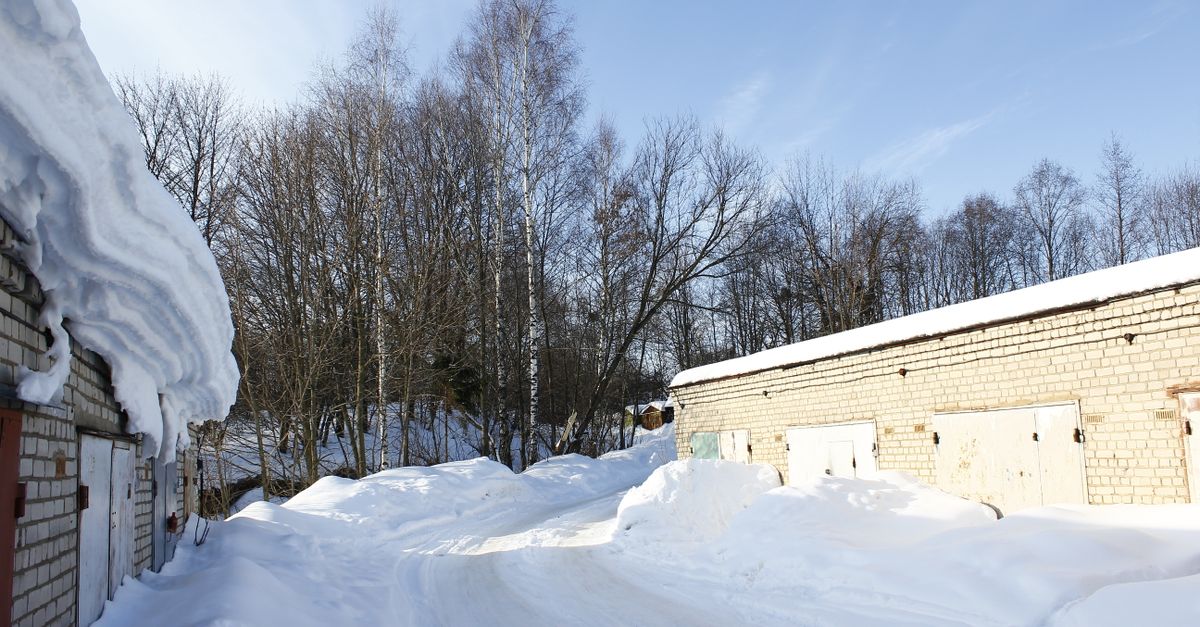
Hydro and heat. Ask for twelve months of hydro bills plus propane or oil delivery records. Rural hydro and electric baseboard heat are where cottage budgets break in January.
Water and septic. Ask what the water source is, a well, a lake intake or a cistern, and for the most recent water test. For the septic, ask when the tank was last pumped and for any inspection report.
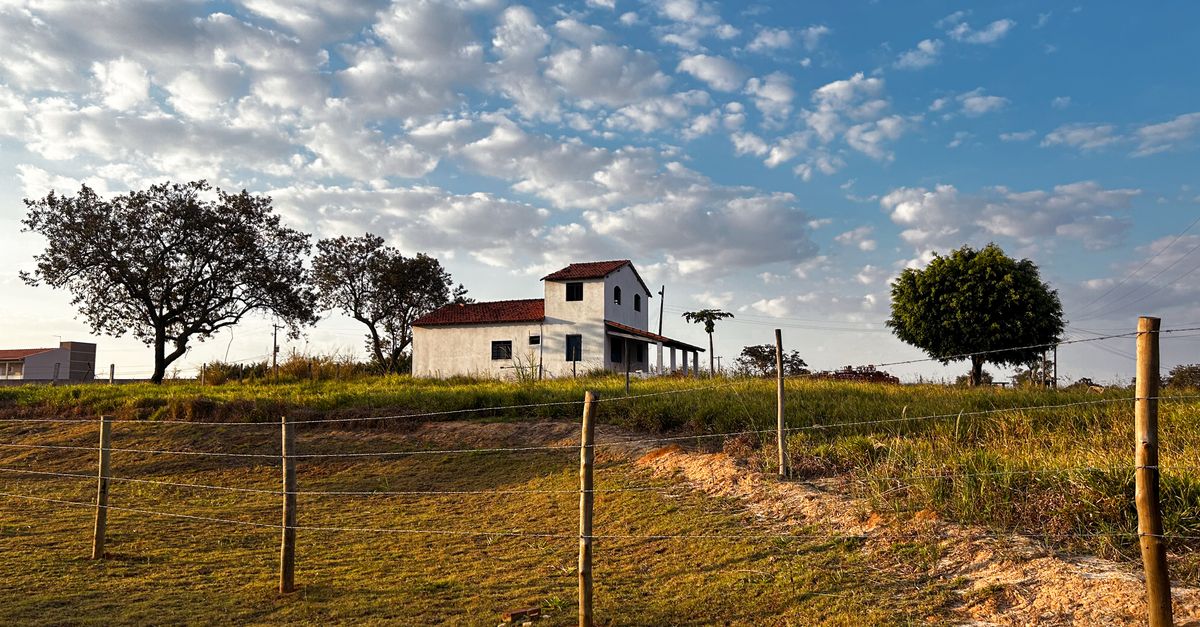
Road and plowing. Find out whether the road is municipal, private or unassumed. On a private road, ask for the written maintenance agreement and last year's dues.
Opening and closing. Ask who opens and closes the place each season and what they charged.
The drive. This one is yours. Count the trips you will honestly make from the GTA, and price the fuel and the hours. And a note from experience: a seller who cannot produce the first six documents is telling you something about how the place was kept.
Three-Season or Four-Season: The One Choice That Moves Every Line
A three-season cottage gets winterized: lines drained, antifreeze in the traps, water shut off. It then sits unheated and empty for months, which insurers dislike, and you do not use it in winter.
A four-season cottage has heat running all winter, buried or heat-traced water lines, and a road that must be plowed. Hydro goes up and so does the purchase price, but you can use it in February and rent it in ski season.
Many buyers pay for four-season and then use it like three-season. Count your real winter weekends before you pay for the second one.
Well, Septic and the Road: Questions a City Buyer Never Had to Ask
In Thornhill, the city brings the water, takes the sewage away and plows the street. Up north, all three are your problem, and they belong on the worksheet as risks, not just as bills.
For the well, get a water test and a flow test, and ask how old the pump is. For the septic, have the tank located and inspected, and treat replacement on an older system as a real possibility, not a remote one. For a private or unassumed road, ask who maintains it, what happened after the last washout, and whether an ambulance or a fuel truck can get through in March.
On waterfront, add one question before you fall in love: has the shore road allowance in front of the property been closed and purchased? Until it has, the strip between the cottage and the water may not be the owner's to sell. I covered that and three other waterfront checks in Buying Waterfront Property in Simcoe County: Four Checks Toronto Never Asked You For.
The Second Tax Bill and the Second Set of Tax Rules
Lenders look at a second property you will not live in differently from your home. Talk to your lender before you shop, so the down payment and the rate do not surprise you after you have found the place.
On tax, a cottage can be your principal residence. But under the CRA's Income Tax Folio S1-F3-C2, Principal Residence, a family unit can designate only one property as its principal residence for any given year, so most GTA families will pay capital gains on either the cottage or the city home when they sell, whichever one they do not designate. Keep every receipt for capital improvements from day one, and get an accountant's view before you buy, not the week before you sell.
If you have read The True Monthly Cost of Owning a Toronto Investment Condo (2026 Math), this is the same discipline applied to a lake. And if part of your plan is renting the cottage out to cover these lines, read Short Term Rentals in Ontario: Five Things to Get Right first, because the rules are local and they bite.
One more thing from a broker's chair. Fall is when recreational listings sit and sellers become realistic, and a buyer who arrives with this worksheet and the seller's own bills negotiates from strength. If you are looking north from Richmond Hill, Markham or North York and want this worksheet filled in for the actual property before you offer, fill out the form at the bottom of this page or book a free consultation. The rest of our neighbourhoods guides are there when you need them. Stay well and take care.
Frequently asked questions
How do I find out what a specific cottage costs to own before I make an offer?
Ask the seller for the current property tax bill, twelve months of hydro bills and any propane or oil delivery records, the well water test and septic pumping record, the road maintenance agreement and last year's dues, and the opening and closing invoices. Get your own insurance quote. Do this during the conditional period, or before offering when listings are sitting.
Can I make my cottage my principal residence to avoid capital gains?
A cottage can be designated as a principal residence, but a family unit can designate only one property for any given year. Most GTA families end up paying capital gains on whichever property they do not designate when it is sold. Keep every receipt for capital improvements and decide with an accountant.
What should I ask if the cottage is on a private or unassumed road?
Ask who maintains and plows the road, for the written maintenance agreement and last year's dues, what happened after the last washout and who paid, and whether an ambulance, a fuel truck and a delivery van can reach the property in March.