

Based on Moe’s video of April 1, 2025. For this month’s numbers, see GTA Housing Market Today.
این مقاله به فارسیRead in FarsiAs of early April 2025, tariff fear has made the Toronto and GTA market a window for buyers rather than a reason to hide. Inventory is heavy, the Bank of Canada's overnight rate is 2.75%, and the national average price is down 3.3% year over year, so a buyer can negotiate a real discount, especially on homes listed more than 90 days.
I'm Moe Asgarian, a real estate broker in Toronto and ranked 47th at RE/MAX worldwide. The question I get every week as of early April 2025 is whether this is a moment to buy or a moment to sit out. The market is slow, and what is holding people back is uncertainty, not the cost of money.

A slow Toronto and GTA market, and how it got here
If you ask me, as of early April 2025 the market is stagnant. We have not had a good market for a long while. Sales are happening, but not at the standard Toronto is used to. Put monthly home sales in Canada against the ten year average and the years leading up to 2025 sit well below that line. There is one interesting spot on the chart though, at the end of 2024, where things looked like they were coming back to normal. Rates had finally reached the level the Bank of Canada calls neutral: not too high, not too low, stable and sensible. Buyers were coming back. In the last quarter of 2024, Toronto sales were up 40% from the year before and Vancouver was up 30%. Almost everyone expected that was only the start, and that both prices and sales would rise through 2025.
February 2025 Toronto and Canadian home sales drop
That forward movement lasted into January 2025. It was not a hot market, but the signs were there. Then February 2025 dropped hard. The Canadian Real Estate Association reported national home sales down around 10% from January 2025, the biggest month over month fall in roughly three years. The expensive markets had it worse: in February 2025 Vancouver sales were down close to 33% and Toronto around 30%. February 2025 also came in well below February 2024, and remember that in February 2024 rates were high, around 7%, so mortgages were far more expensive then. By February 2025 rates were roughly half that, which should have made buying easier. Fewer people bought anyway. In the freehold market, meaning detached, semi detached and townhouses, we had not seen a February that quiet since 1997.

Sometimes a slow market just means buyers are waiting for better listings to arrive. That is not what this is. As the statistics show, there were a lot of homes for sale in early 2025 and the count kept rising month after month. As of early 2025, the number of homes listed in Toronto was roughly double what it was a year earlier. Our own experience at Team Asgarian across the GTA said the same, in condos and in freehold: plenty of options for our clients, and plenty of showings.
How Trump's tariffs hurt Canadian consumer confidence and housing
My read is that this is about tariffs, the ones Trump is putting on Canada, and as of early April 2025 the effect has arrived whether or not every tariff has. Before the American election I recorded my view that if Trump won, the big risk to the Canadian economy would be tariffs, and that they would do damage twice: once to the economy, once to market psychology. We are living through the second one. The president of the Canadian Real Estate Association said the insecurity and instability of the weeks before April 2025 pushed many people to hesitate on large financial decisions such as buying a home. I understand it completely. Several of my own clients in different sectors decided to delay their purchase after watching colleagues get laid off. They still had their own jobs, but when you see trouble running from IT to the auto industry, you tell yourself you will hold off until the picture clears. Those layoffs were real, not one or two cases. We were reading about them in the Canadian media every day.

Official Canadian economic reporting showed the consumer confidence index falling 12 points in February 2025, the largest monthly drop since 2023 and only a few notches above April 2020, when everything was shut for Covid. That feeling of insecurity from the pandemic years is back, and it has pushed people who were already undecided to step aside and wait. If you are not sure about your job, taking on a mortgage is not a simple or a sound decision. The bank does not negotiate. The payment is due every month. That is one of the reasons people hire a real estate agent in the first place: buying and selling a home is a hard, complicated decision.
What the Covid discount looked like in Richmond Hill
There is another side to this, and it is the opportunity. During Covid we called it the Covid discount. Supply was high, demand was low, rates were low, and sellers were willing to take what they could get. A lot of my clients used that window and bought very good homes. Before the pandemic, rates were higher and getting into the market was not easy: a large down payment and a heavy monthly payment. Staying a renter was a reasonable decision. Then the market got interesting for a certain kind of buyer. If you were hunting for a high quality home in a good pocket of Richmond Hill before Covid, maybe one or two houses a year came up with the features you wanted. During Covid, street after street in that same part of the GTA came to market, and on top of that we were negotiating real discounts for our clients.
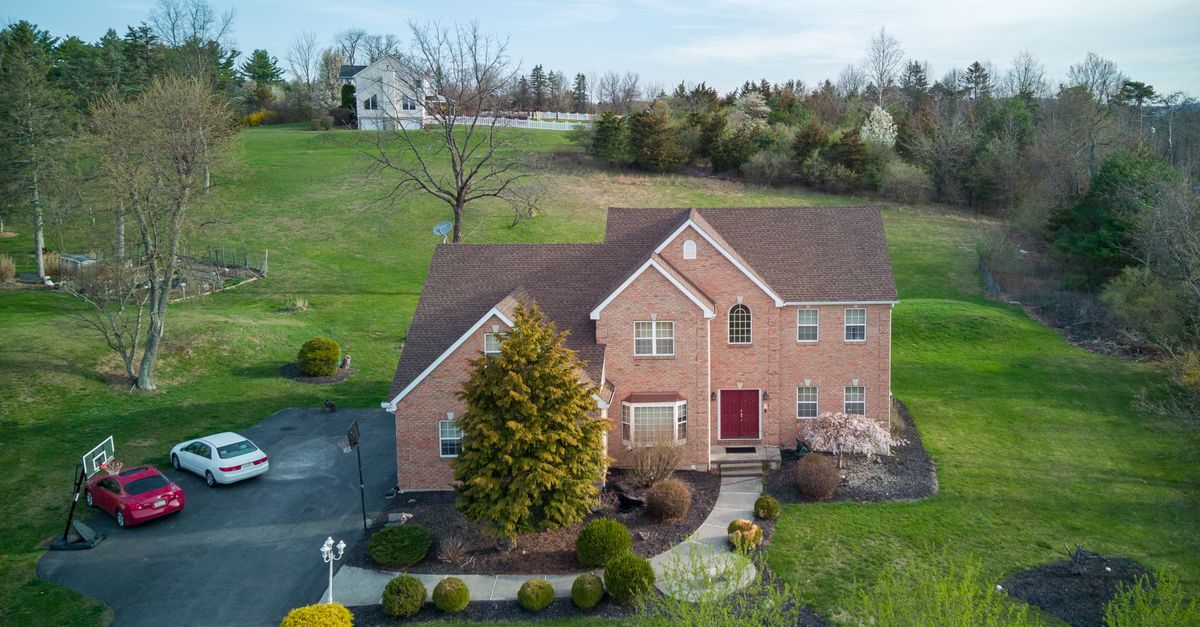
The reason was not complicated. The owner was frightened, half thinking tomorrow might be the last day, and wanted out from under the responsibility at whatever price. Many of those owners had held the house for twenty or thirty years, so even then they sold at a good profit, just below what that day's market would otherwise have paid. For someone trying to get into the Toronto market at a lower cost, those homes were made to order. And yes, in those conditions you had to carry a little risk. Plenty of people did, and they got the discount.
Where buyer leverage sits in April 2025
As of early April 2025 it looks similar. A seller who has to sell inside a tight window probably does not have many buyers, which means you can negotiate and buy better. The odds improve a lot with homes that have been on the market more than 90 days. What I am seeing in early April 2025 is that the buyers who are active are pulling prices down, and the purchasing power is on the buy side. The statistics agree: in the February 2025 national figures the average selling price was 3.3% lower than a year earlier, and it had been a long time since we saw that in the Vancouver and Toronto markets. Meanwhile the Bank of Canada keeps cutting. As of early April 2025 it has cut seven times in a row, which is rare, and anyone buying on a variable rate mortgage in that window watches their rate follow those cuts down.

I am not certain how durable this is. In spring 2024 BMO surveyed people who wanted to buy and found a share of them were waiting for rates to fall, and over the following year that is exactly what happened. Another survey asked how far rates would have to drop before buyers came into the market, and most answers landed on the overnight rate reaching 2.75%, which is the rate as of early April 2025. So the homes are there and the rate is where people said they wanted it.
Buy a good home at a good price, or do not buy
Look at early 2020: sales, prices and rates all came down together. For a certain kind of buyer that was a golden window. It was a worrying time, and in the third and fourth quarters of 2020 many people were still afraid to leave their own house, let alone walk through someone else's. Some were brave, took the risk, went into the market and bought, and today we can see they made the right call. The statistics show that six months to a year later, everyone who had been waiting poured in and prices went through the roof. Confidence built back, and that is when the flood of buyers returned.

I genuinely do not know what happens after April 2025, because we are talking about a tariff war with a president who is not predictable. Covid was not predictable either. Think about the past twenty five years: September 11, then the Iraq war, then the economic downturn, then Covid, then the war in Ukraine. Each time there were 101 reasons not to put money into any market, and people were right to be nervous. Each time, after a reasonable stretch, the market recovered and reached new peaks. I cannot tell you when this market recovers, but I can promise you it will. I think Canada can eventually reach an agreement with Trump, and whoever buys well before that happens has a good chance of having invested well.
One warning, and it is the important one: what you buy matters. Even during Covid I told clients not to rush and not to buy just anything. Plenty of homes are not good purchases. The location is wrong, the build quality is poor, or they come to market above what they are actually worth. Two things have to be true together, a good home at a good price. If either is missing, you have not made a good investment. So study the market and lean on people who know it well. Often the most useful thing someone can tell you is which house not to buy.
I would be glad to go through your options in detail. Fill out the form at the bottom of this page or book a free consultation and we will look at them together. Stay well and take care.
Frequently Asked Questions
Why were Toronto home sales so low in early 2025 when interest rates had fallen?
Because the brake was confidence, not cost. The tariff dispute with the United States created job insecurity and uncertainty, and consumer confidence dropped 12 points in February 2025. People with secure jobs and cheaper mortgages still held back because they did not know what the tariffs would do.
How bad was the February 2025 drop in Canadian home sales?
The Canadian Real Estate Association reported national sales down around 10% from January 2025, the largest month over month fall in roughly three years. In February 2025 Vancouver was down close to 33% and Toronto around 30%. In the freehold market, detached, semi detached and townhouses, it was the quietest February since 1997.
Where is the negotiating room in a slow Toronto and GTA market?
With sellers who need to move. A seller facing a tight deadline has few buyers to choose from, and homes that had sat on the market more than 90 days in early 2025 were far more likely to accept a lower price. Just make sure the house is worth buying at any price.