

Toronto home prices have not crashed because the pressure that was supposed to break the market ran into five things holding it up: a deep housing shortage, the cost of building, the mortgage renewal wave, a split between freehold and condo demand, and rising ownership costs. As of August 2026, the GTA average is still above $1 million.
I am Moe Asgarian, a Toronto real estate broker, and I spend my days pricing homes and writing offers in this market, so the gap between the headlines and what actually closes is something I watch every week. For four years people have said the crash is coming. The Bank of Canada raised its policy rate ten times in eighteen months. Sales counts fell to their lowest level in decades. Prices held.
Reason One: Canada Has Not Built Enough Homes
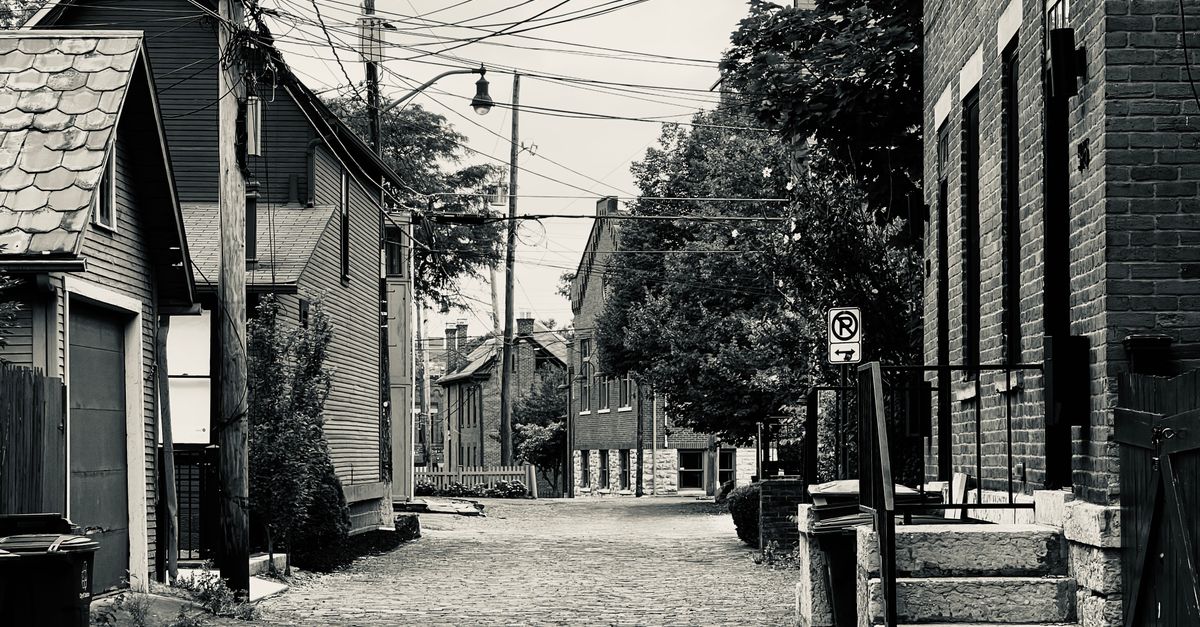
Every other problem in this market starts here. CMHC has estimated that Canada needs roughly 3.5 million more homes on top of the ones already being built, simply to bring housing back to a level families can afford. To see the size of that gap, compare it to the region: the entire GTA holds about 2.5 million households, and the national shortfall is larger than every home in the GTA combined. One good building year does not close that.
Yes, there is plenty of inventory sitting on the market in 2026, condos especially. Over a multi year window, though, supply is thin and getting thinner. New listings in June 2026 were down about 13 percent from a year earlier, and pre construction condo sales have collapsed. When projects do not sell, new ones do not get built. Buildings that did not start in 2024 and 2025 will not exist in 2028 and 2029. The shortage we will be arguing about in a few years is being created now.
Reason Two: It Costs Too Much to Build a New Home
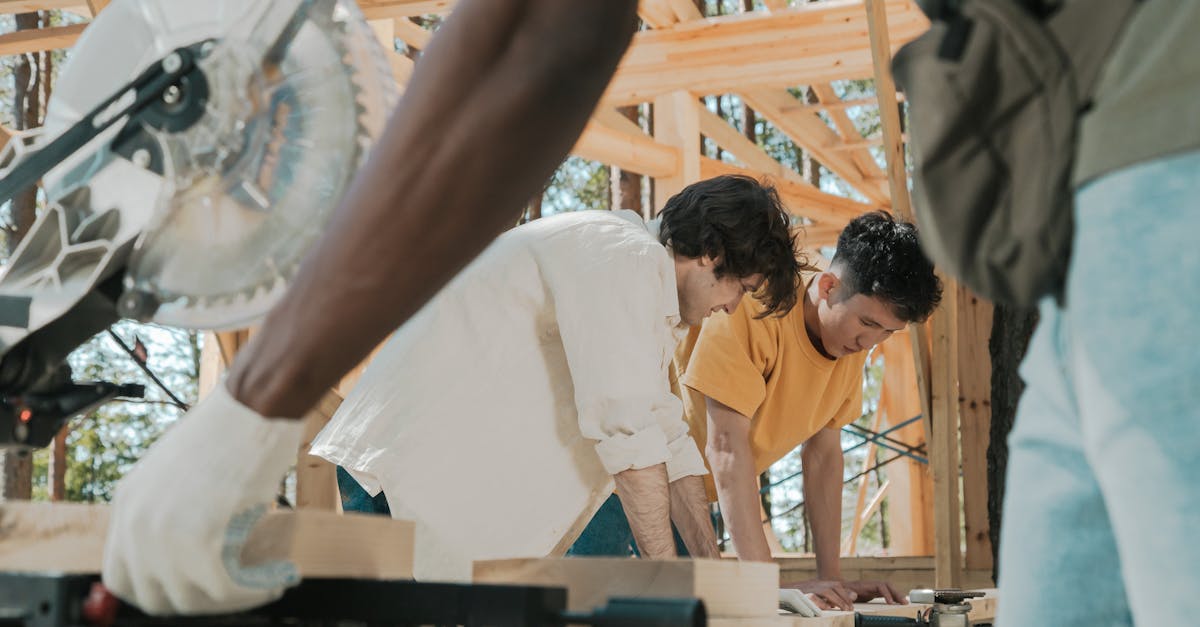
Most people assume material prices are the whole story. They are not. The fees a builder pays the municipality alone can account for up to 20 percent of the price of a new home. On an $800,000 house that is about $160,000, and it is paid before a shovel goes into the ground. The buyer ends up financing that amount inside the mortgage and paying interest on it for years.
Land costs more. Labour costs more. Materials cost more. Permits take longer. The arithmetic is simple: if a house costs a builder more than $1 million to produce, it cannot be sold for less. When costs rise, only two things happen. Prices go up, or the project stops. In Toronto in 2026, plenty of projects never enter the construction stage at all, which feeds the supply shortage all over again.

Reason Three: The Mortgage Renewal Wave
Hundreds of thousands of Canadians borrowed in 2020 and 2021 at rates under 2 percent. Most Canadian mortgages run on five year terms, so those loans are renewing now, at rates of roughly 4 to 4.5 percent as of August 2026.
Take a concrete example. Someone with a $500,000 mortgage in 2021 at 1.8 percent was paying about $2,000 a month. Five years on, roughly $417,000 is still owing. Renewed at 4.5 percent, the payment becomes about $2,600 a month. That is $560 more, every month, for the same house and the same family. When that many households absorb that increase at the same time, buyers get weaker and sellers refuse to discount. Sales volume drops and prices barely move. That is exactly what Toronto has done for two years.
Reason Four: Toronto Has Two Markets, Freehold and Condo
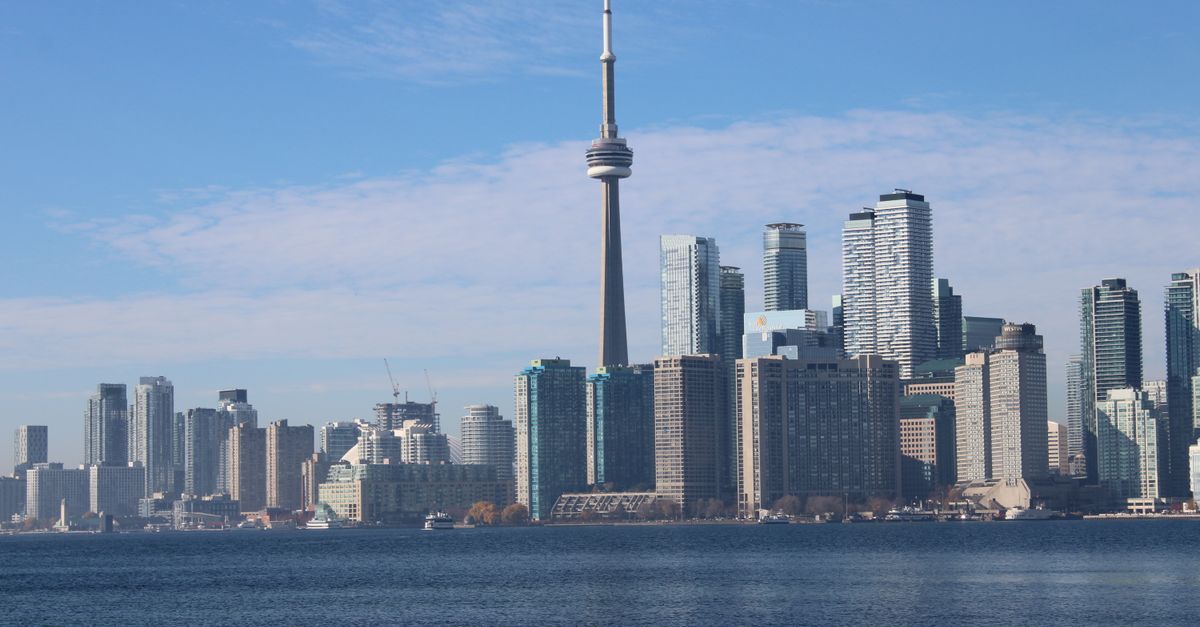
Across Toronto and the GTA you have everything from freehold houses to condo units, and over the past few years freehold has been the hotter market. Competition there is still real and supply is comparatively tight. Condos are a different story: inventory is heavy and prices have fallen against the year before. One city, two markets.
Here is what that looks like on the ground. In the month leading up to late August 2026, semi detached homes in east Toronto sold in an average of 12 days at 109 percent of list price, with an average sale price around $1,017,000. That is not a luxury outlier. That is the average of everything that traded in that pocket. The real competition is for land close to jobs, transit and schools, and nobody is making more of that land.
Reason Five: The Cost of Owning Keeps Climbing
Set the purchase price aside for a moment. The cost of simply keeping a home is rising every year. Property taxes are up. Insurance is up. City utility bills are up. Most Toronto houses are between 50 and 100 years old, which means roofs, heating systems and aging equipment are a recurring expense rather than a one time surprise. In the condo market, maintenance fees in many buildings are growing faster than inflation.
So the monthly mortgage payment is the wrong number to plan around. The true cost of ownership sits well above it, and buyers who budget only to the payment are the ones who get caught.

What This Means for Toronto Buyers and Owners
If you are still waiting for the big Toronto crash, answer this question: what would have to happen for a market with this little supply, these construction costs and this much demand to suddenly be flooded with new homes? The past four years were the best chance a crash was ever going to get. Rates rose at the fastest pace in modern history, and the GTA average stayed above $1 million.
My read, and it lines up with most of the forecasts as of August 2026, is that we are not due for a very large rise or a very large fall any time soon. If you can genuinely carry the costs, the useful question is not when the crash arrives, it is which parts of the market you can negotiate in. In parts of Toronto in 2026 you can find large, livable, newer condos where the seller will move on price. And if you already own, there is no signal that your property is about to lose a big share of its value. It is not an ideal market to sell into, but that is a different problem.
Knowing that helps all of us make a better decision about what comes next, whether you are renting, buying or selling. If you want a straight answer about your own home or your own purchase, fill out the form at the bottom of this page or book a free consultation with our team. Stay well and take care.
Frequently asked questions
Is the Toronto housing market going to crash?
There is little sign of it. As of August 2026 the GTA average home price is still above $1 million, despite the fastest rate increases in modern history. A crash would require a sudden flood of new supply, and with construction costs high and new projects stalling, that supply is not coming. Most forecasts point to neither a large boom nor a large collapse.
Why are Toronto homes still expensive when sales are so low?
Low sales volume is not the same thing as low prices. Many owners facing higher renewal payments simply refuse to sell at a discount, so transactions fall while prices hold. Underneath that, Canada has a multi year housing shortage and building a new home now costs more than many projects can support, which keeps a floor under prices.
How much more will my mortgage payment be when I renew?
It depends on your original rate and your balance. Take one example from 2026: a $500,000 mortgage taken in 2021 at 1.8 percent cost about $2,000 a month. Five years later, with roughly $417,000 still owing, renewing at 4.5 percent brings the payment to about $2,600 a month, around $560 more every month for the same home.