

The Paris Olympics just wrapped, and beyond the medals there is a debate about the mark such events leave on a host city. In that same spirit, a lot of people in Toronto are talking about 2026. The 2026 World Cup will be played across the United States, Canada, and Mexico, and Toronto is one of the host cities.
I am Moe Asgarian, Principal Real Estate Broker in Toronto, ranked 47th worldwide at RE/MAX. Let me walk through what hosting could mean for the housing market, and how the city itself might change.
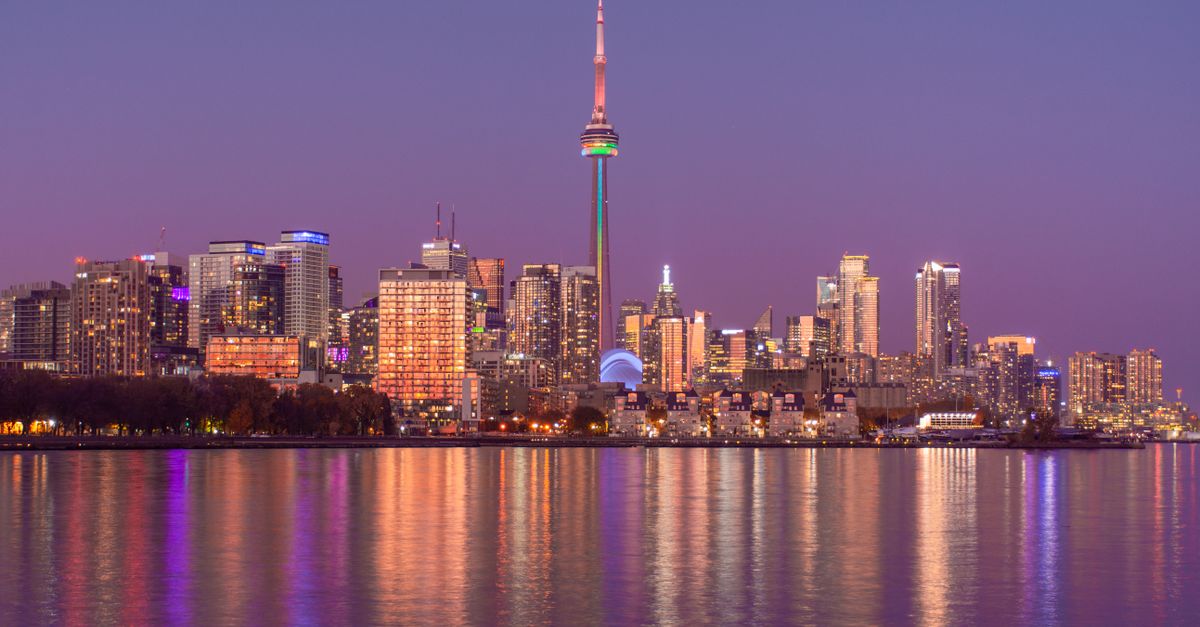
Demand for Housing Goes Up
Soccer has a smaller following in Canada than hockey, baseball, or basketball, but the World Cup is the most watched sporting tournament on the planet. For a few days, Toronto becomes one of the most important tourism centres in the world, whether it wants to be or not. Billions of people follow the event, and you cannot stay indifferent to that.
The first change is a jump in demand for a place to stay. Fans, media, and tourists flood in and push short-term rental prices, like Airbnb, higher. On top of that, being named a host makes the city attractive for long-term housing investment. So the main effect on Toronto's market is that values rise as more money flows in and people get ready for that window. Ask anyone with a condo near Rogers Centre or Scotiabank Arena what Airbnb prices look like on nights when American fans come to town.
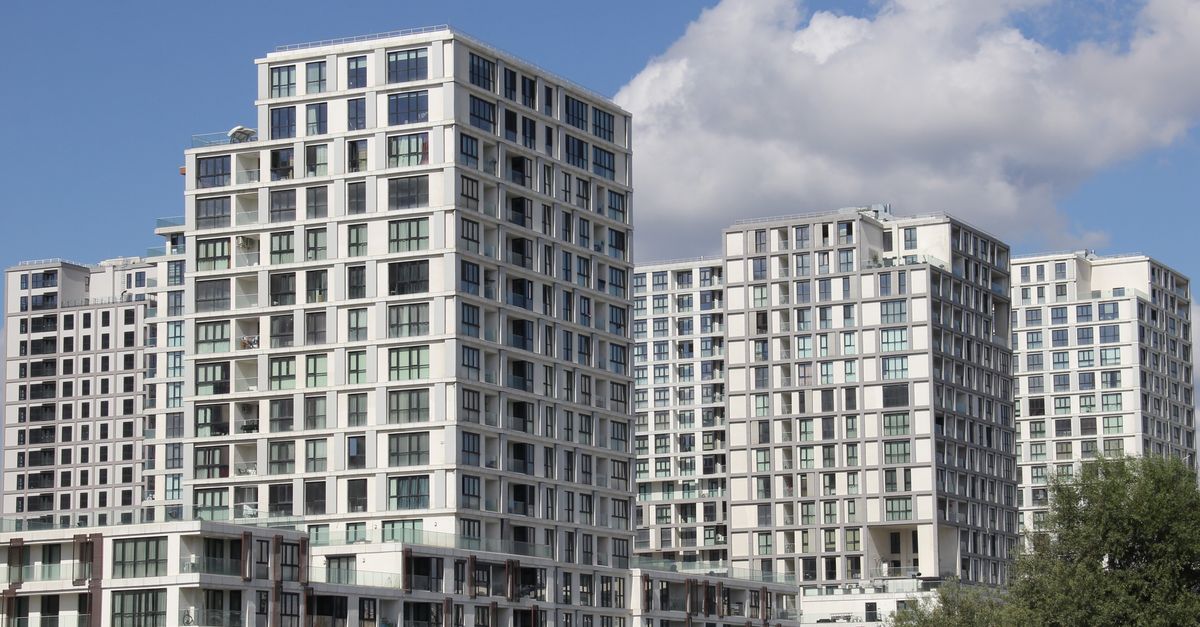
Infrastructure Gets a Push
The second effect of hosting is faster development and better city infrastructure. This is not unique to Toronto, it happens wherever the event lands. New commercial and residential projects can start, and transit, roads, and highways tend to move ahead more quickly. The city becomes more valuable in terms of infrastructure.
That matters for housing because it lifts quality of life. Better transit and roads make neighbourhoods more livable, and livable neighbourhoods hold and grow their value. When a city invests to be ready for the world, residents keep the benefit long after the final whistle.
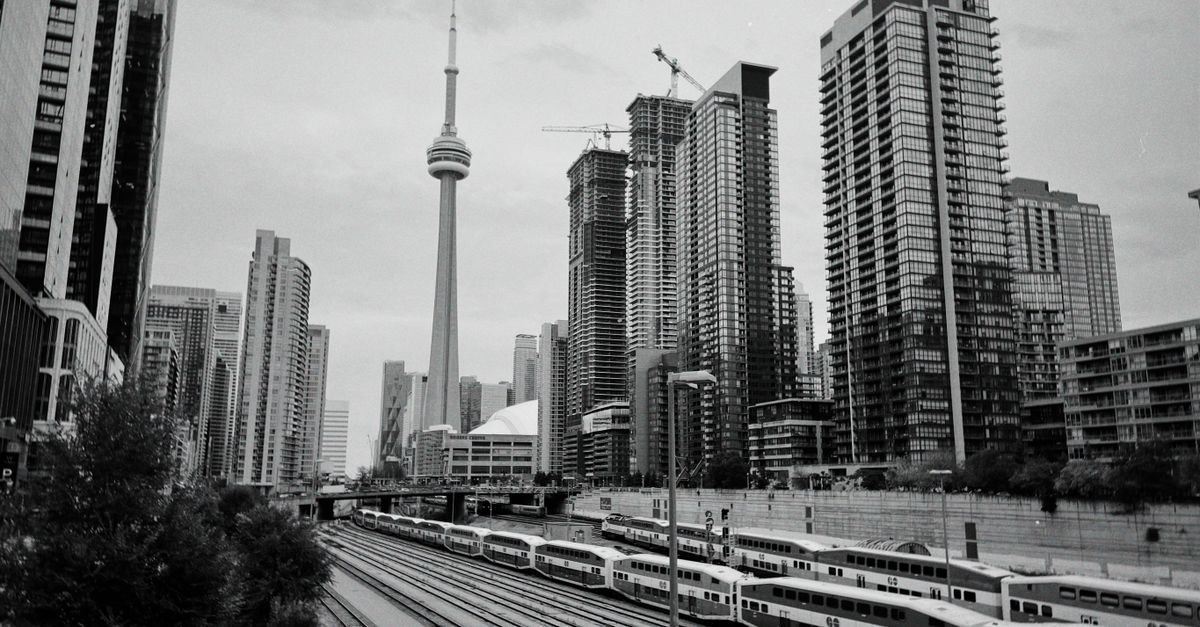
The City's Fabric Changes
The third thing that happens is a shift in the urban fabric. Some streets may close, some areas change use, and certain things shift temporarily. The closest example is the Toronto International Film Festival, which shuts down part of downtown every year and reshapes the space around it. Look at that area and you can see how condos and businesses have taken shape around the event.
Something similar is likely in 2026, and it may leave longer-term effects. The fact that a city is trusted to host a major international tournament says a lot about how strong its brand is. That reputation can draw investment and attention that outlasts the matches themselves.
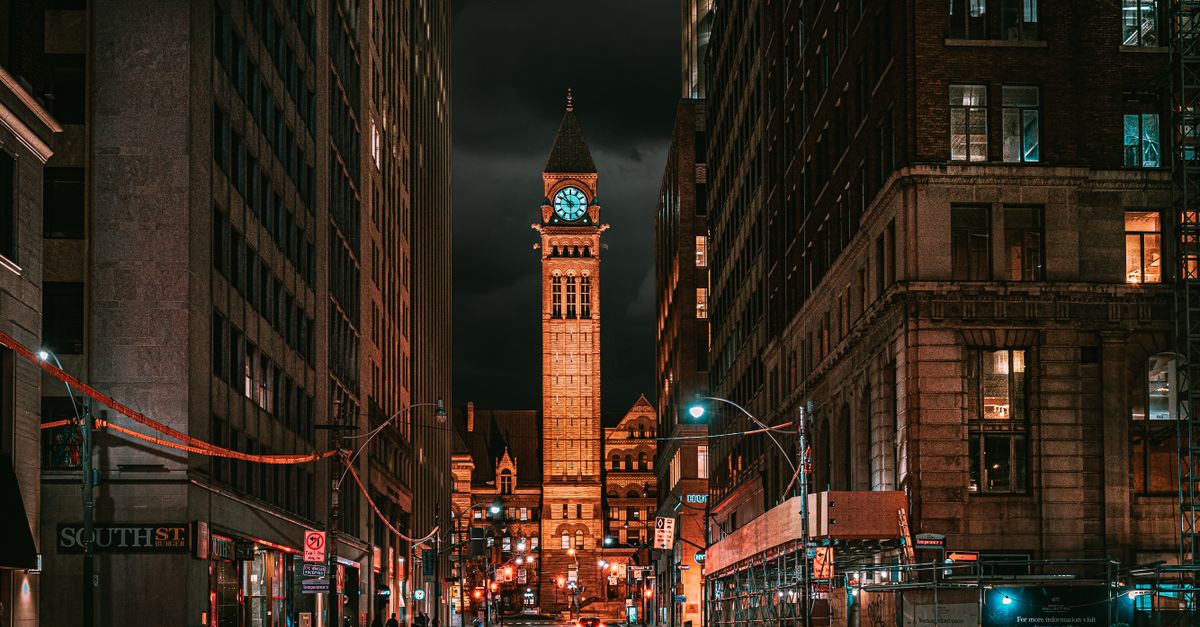
Not Every Change Helps Residents
Here is the honest caution. In recent years many cities have pulled out of hosting because the short bursts of change did not, on balance, help residents. Picture the whole World Cup running in Toronto for a month, with everyone chasing homes and hotels. Prices go through the roof, and experience shows they often do not return to where they were. The city can become a more expensive place to live. For the recent Olympics, only two cities stepped up, Paris and Los Angeles, and they simply split the years between them.
So hosting can boost Toronto's market, and it can also cost the city some of the good conditions it had. I am a big World Cup fan myself. I went to the last one in Qatar and saw the energy up close. The real question is how much this hosting benefits Toronto, and what investment opportunities it opens for us. If you want to talk through those opportunities, fill out the form below or book a free consultation. Stay well and take care.
Frequently asked questions
Is Toronto actually hosting the 2026 World Cup?
Yes. The 2026 tournament runs across the United States, Canada, and Mexico, and Toronto is one of the host cities. That alone makes it a global tourism hub for a few days, whether the city wants it or not.
Will the World Cup raise my rent?
During the event, demand for short-term rentals like Airbnb tends to spike, especially near arenas. Owners near Rogers Centre and Scotiabank Arena already see this when visiting fans arrive. The concern is that prices often do not return to normal afterward.
Is hosting always good for a city?
Not always. Many cities have pulled out of hosting because the short-term changes did not benefit residents. Only two cities bid for the recent Olympics, Paris and Los Angeles. The lift to the market is real, but so is the risk of a more expensive city afterward.