

As of September 2026, five shifts are defining the Toronto and GTA housing market: very expensive homes are drawing more activity than ordinary ones, buyers hold the leverage, condo projects are stuck between build costs and what buyers will pay, builders are turning toward rental, and prices are flat rather than falling fast.
I am Moe Asgarian, a real estate broker working in Toronto and the GTA, and one of the main things we do in this business is watch the market change. The housing market responds to everything: political and economic shifts, and social forces like immigration and population. Here is what has actually changed over the past year or two, based on what I see in my own deals.
Luxury Homes Are Outrunning Entry-Level Homes
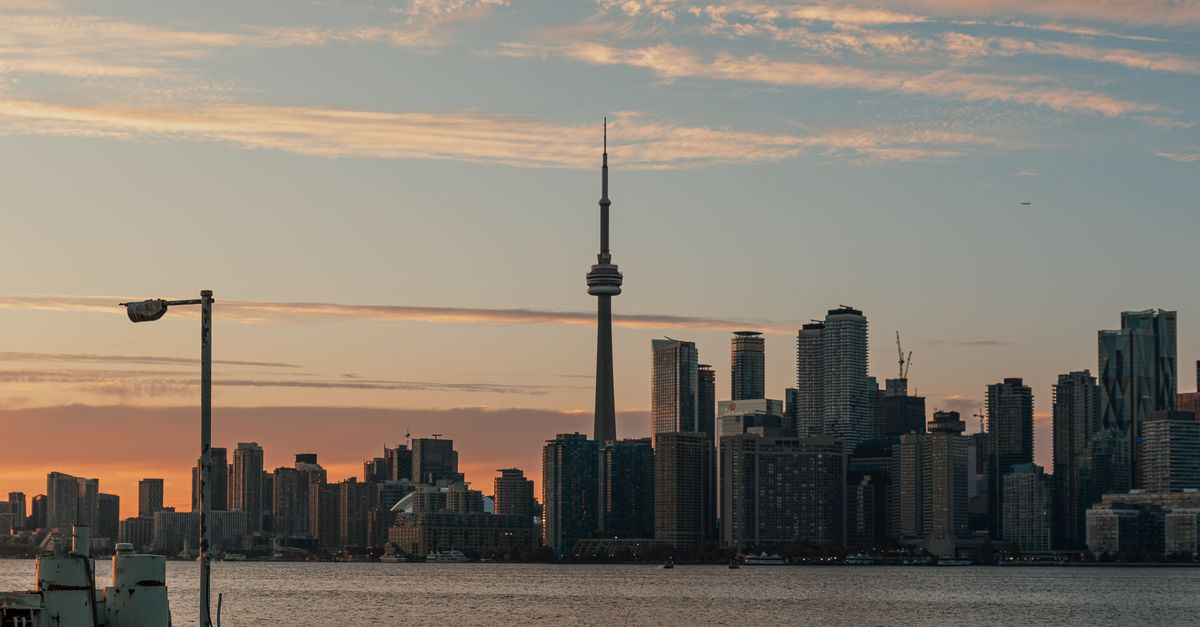
The first shift is that in this market, very expensive properties in some cases have more activity than ordinary homes. In the September 2026 market, a home near $7 million can get more showings and more attention than an $850,000 home aimed at a first-time buyer.
The reason is simple. Wealthy buyers still have capital. The stock market has grown and asset owners are benefiting from asset inflation. The middle class has moved in exactly the opposite direction: the cost of living has gone up and buying power has come down. Two groups, two different markets, in the same city.

In Practice, the GTA Is a Buyer's Market
The second shift is the tilt toward the buyer. The reality is that the buyer has the final word, at least for now. Overall, in the market as of September 2026, even where some official indicators show the market as balanced, in practice it behaves more like a buyer's market.
What that means for a seller or a builder is blunt. If you are not willing to line up with the price a buyer is prepared to pay today, a deal probably does not happen. This is the single hardest conversation I have with sellers right now, and it is the one that decides whether a listing sells.
The Condo Standoff Between Build Cost and Buyer Price
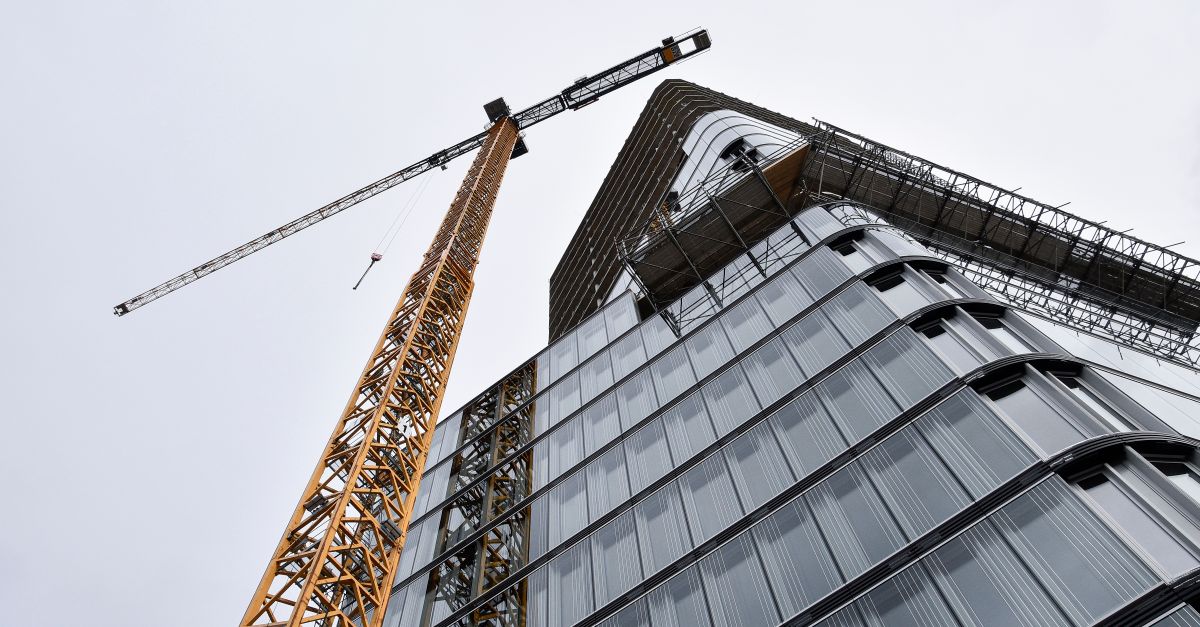
The third shift is the condo slump, which most people already know something about. A few years ago at the peak, many projects were selling at prices 10 to 20 percent above the resale market. As of September 2026, condo prices have come down 20 to 30 percent from that peak. The gap between the price a project was designed and financed around and the price a buyer will pay in September 2026 has become very large. A project may need $1,200 or $1,300 per square foot to be economically viable, while a buyer in the September 2026 market may only be willing to pay around $850 for resale. Tax breaks and government programs have not been able to close that gap, and the result is a standoff.
The problem is that a builder cannot wait forever. Loans, taxes, land carrying costs and construction costs continue every month. That is why some projects go into receivership even after they are completed. In some projects a large number of units are still unsold, or earlier buyers have refused to finalize and close.
Why Canada's Big Banks Have Not Been Hit Harder
Here is the part that surprises people. Canada's big banks have not taken damage proportionate to the scale of the construction crisis. One reason is equity. A large share of long-time Toronto owners still hold very high equity. Many who bought 30 or 40 years ago either have no mortgage at all or a very, very low loan-to-value ratio.
That family wealth has also moved into the next generation. Some first-time buyers enter the market with financial help from their parents, and some take out a mortgage with a parent co-signing. There is still significant money in Toronto, and some wealthy families still believe Toronto comes back over the long run.

Townhouses, Bungalows and the Shift Toward Rental
The fourth shift is better conditions for townhouses. If townhouses are priced properly, they can still sell well and sometimes quickly. Detached homes have some movement, but that market is still very weak.
Because of this, many builders have changed strategy. Some have moved toward rental projects or build-to-rent. Others are building bungalows again to target older buyers with substantial capital who are looking to downsize. So it is possible that in the future a large share of residential tower construction is no longer for selling units at all, but for long-term rental.
Flat Prices in Toronto, and What Would Change That
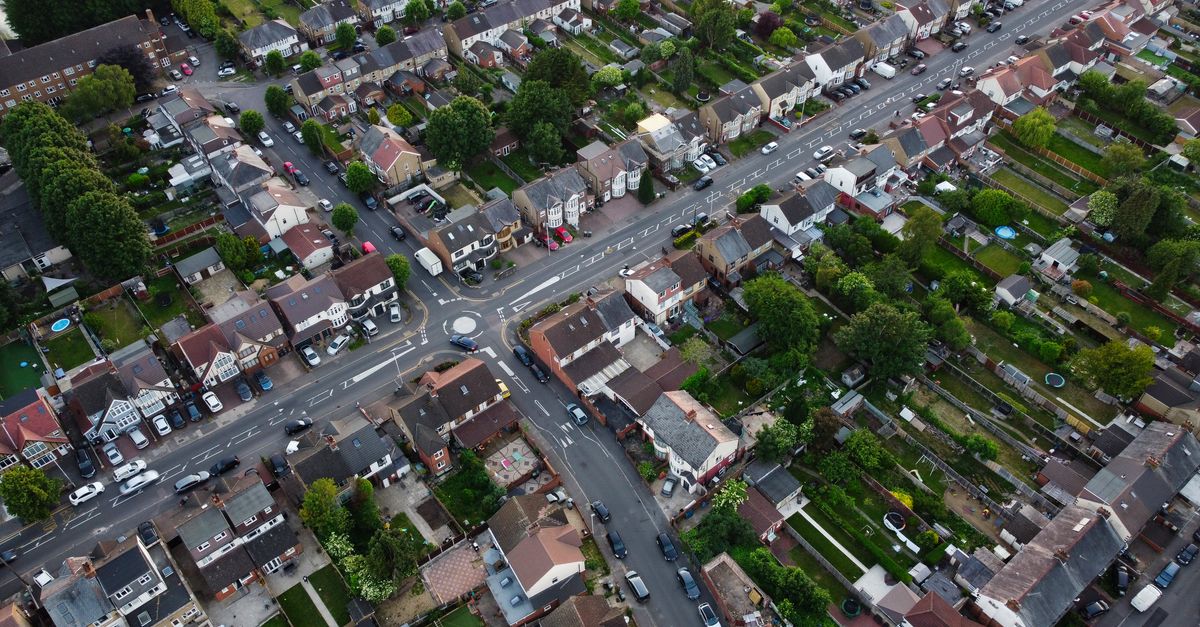
The fifth shift is price stability, the thing we have been saying for a long time: prices are not getting much more expensive and not getting much cheaper. Even when the market finally reaches a floor, you should not automatically expect a fast jump in prices. The more likely scenario is that prices stop first and then stay roughly flat for a long period. The historical example is the Toronto market after the crash of the late 1980s and early 1990s. It took years for nominal prices to return, and if you account for inflation, the recovery period was even longer.
If housing construction stays low for several years in a row and immigration then rises again, a housing shortage could build into a crisis again over the long term. That is the possible upside scenario for the years ahead. Heating this market up is not that easy though, and the problems are real. The next generation of buyers does not have enough money. Youth unemployment is high. Buying a home has become hard and rent is expensive too. Many young people leave their parents' home later or live with roommates. Population growth does not automatically mean more housing buying power.
Many Canadians feel the official statistics do not match their daily experience. As of September 2026, the government may say inflation has reached around 2 or 3 percent, but people are not comparing today's prices to last year. They are comparing them to five years ago. When the cost of food, housing and fuel has risen sharply over a few years, a falling inflation rate does not mean prices came down. It means they are getting expensive more slowly. That economic pressure has shown up in the biggest life decisions people make, from buying a home to having children.
So in the short term it does not look like we face a sudden jump in prices. But based on the direction things are heading as of September 2026, freehold property still looks to me like a solid investment over a horizon of five years and up. That is what I tell my own clients.
If you want to talk through what these shifts mean for your own buying or selling decision in Toronto or the GTA, fill out the form at the bottom of this page or book a free consultation. Stay well and take care.
Frequently asked questions
Is the Toronto market a buyer's market in September 2026?
In practice, yes. As of September 2026, even where official indicators show the Toronto and GTA market as balanced, the buyer has the final word. A seller or builder who will not meet the price a buyer is willing to pay today usually does not get a deal.
Why are Toronto condos struggling while other property types move?
As of September 2026, condo prices have fallen 20 to 30 percent from the peak, when many projects sold 10 to 20 percent above resale. A project may need $1,200 or $1,300 per square foot to be viable while a buyer in September 2026 may only pay around $850 for resale. Tax breaks and government programs have not closed that gap.
Will Toronto home prices jump once the market bottoms?
Not necessarily. The more likely scenario is that prices stop falling and then stay roughly flat for a long period. After the Toronto crash of the late 1980s and early 1990s it took years for nominal prices to recover, and longer once inflation is counted.