

As of August 2025, three reports were shaping Canadian housing. Statistics Canada showed residential construction costs up 1% in the second quarter of 2025, about 4% annualized and double the Bank of Canada's 2% target. The Canadian Federation of Independent Business warned of recession inside 2025. And a federal report tied only about 11% of price and rent growth from 2006 to 2021 to newcomers.
I am Moe Asgarian, a Principal Real Estate Broker in Toronto with RE/MAX, ranked 47th worldwide inside the company. I follow reports like these because they are what medium and long term decisions rest on, more than any single month of statistics does.
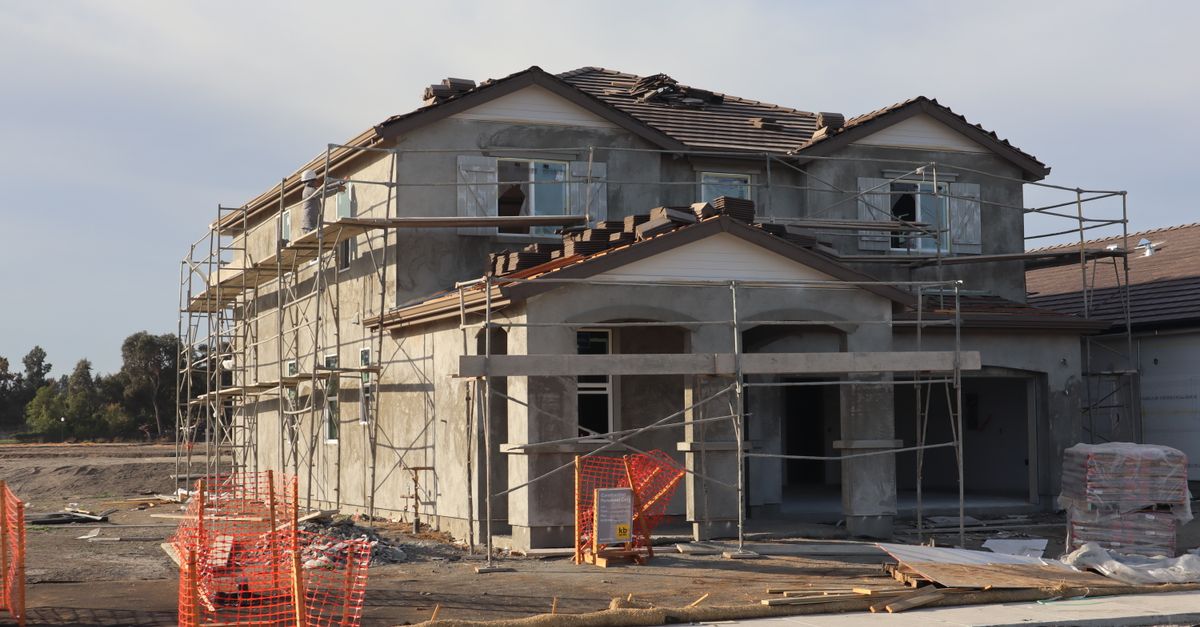
Construction costs rose faster than inflation in the second quarter of 2025
Figures from Statistics Canada, current as of August 2025, showed the cost of building residential homes rose 1% in the second quarter of 2025. Carried across a full year, that second quarter 2025 pace works out to roughly 4%, exactly double the Bank of Canada's 2% inflation target. Construction costs, in other words, had moved ahead of inflation by the second quarter of 2025.
In the first quarter of 2025 the increase had been 0.9%, so the pace was picking up. Building in the second quarter of 2025 was about 3.7% more expensive than in the same period of 2024. If you were pricing a new build or a major renovation in the summer of 2025, that is the number that explains why the quotes kept climbing.
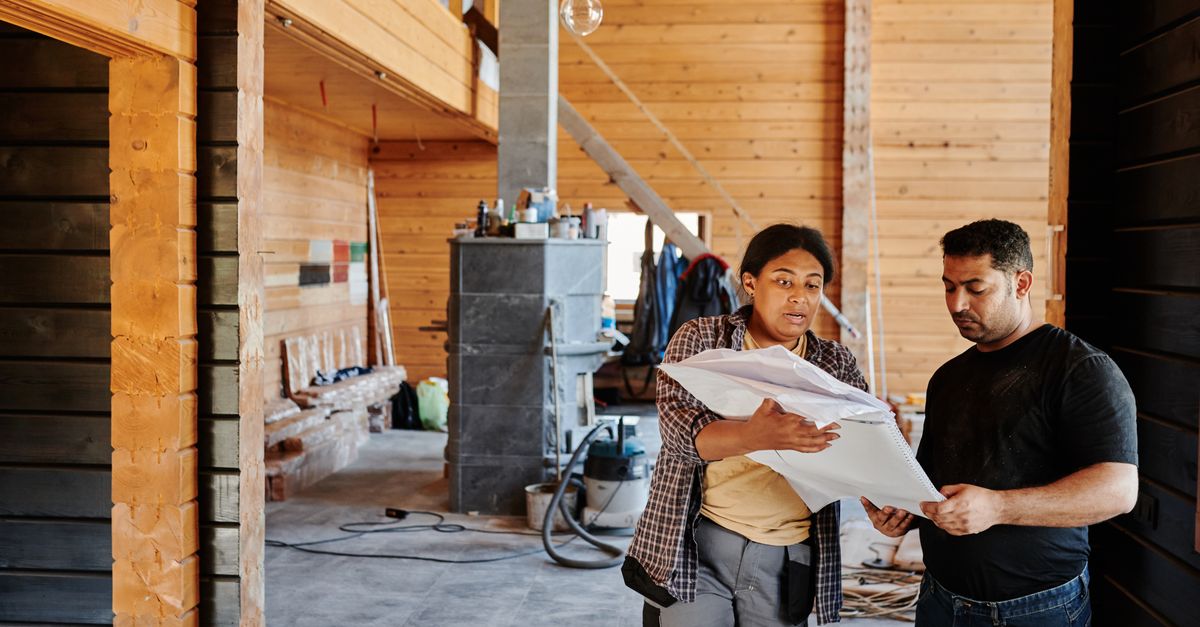
Why tariffs and a skilled labour shortage pushed building costs up
Construction firms pointed at two causes as of mid-2025. The first was the retaliatory tariffs Canada put in place to answer tariffs from the United States. The second was a shortage of skilled trades. Those tariffs were meant to level the field, and in practice they raised the cost of imports, made materials harder to source, and pushed projects behind schedule. All of it landed in the final price of a home.
Builders also said in mid-2025 that labour costs will not fall until the supply of skilled workers grows. Here is the uncomfortable long term logic, and this part is my read rather than anything in the Statistics Canada release: if costs stay at the level seen in the second quarter of 2025, fewer projects get started, contractors run short of work, and the price of trades eventually softens. Construction inflation can come down that way, but it comes down through a slowdown, not through anything anyone would call good news.

The recession warning in the Canadian Federation of Independent Business report
The second story as of August 2025 came from the Canadian Federation of Independent Business, which put a serious probability on a Canadian recession inside 2025 and found business confidence still low in mid-2025. It estimated that economic growth in the second quarter of 2025 was negative 0.8%, and projected a decline of about the same size in the third quarter of 2025.
The report traced the drop to weak business confidence in 2025, coming out of trade tensions and pressure on manufacturing. Private investment had fallen sharply by mid-2025 and was expected to fall a further 6.9% in the third quarter of 2025. That report got heavy coverage in Canadian media in August 2025, and the reason is simple: one step forward and one step back on trade policy is exactly how confidence drains away, and when it drains, investment gets cancelled rather than merely postponed.

What the federal report said about immigration and home prices
The third story is a report from Immigration, Refugees and Citizenship Canada on how much immigration drives housing costs, and it says something new. Its finding, as published before August 2025, was that between 2006 and 2021 newcomers accounted for about 11% of the growth in home prices and rents. The effect ran larger in bigger cities over those years, but across the country it was limited next to the other causes.
The report's own example is the useful part. Alberta and Saskatchewan took in large numbers of immigrants between 2011 and 2016 without much movement in home prices, while Ontario received fewer newcomers over the same years and saw far sharper price growth. Immigration does lift demand for housing, the report says, and skilled newcomers also help build it, so a municipality that can approve and build faster absorbs that demand.
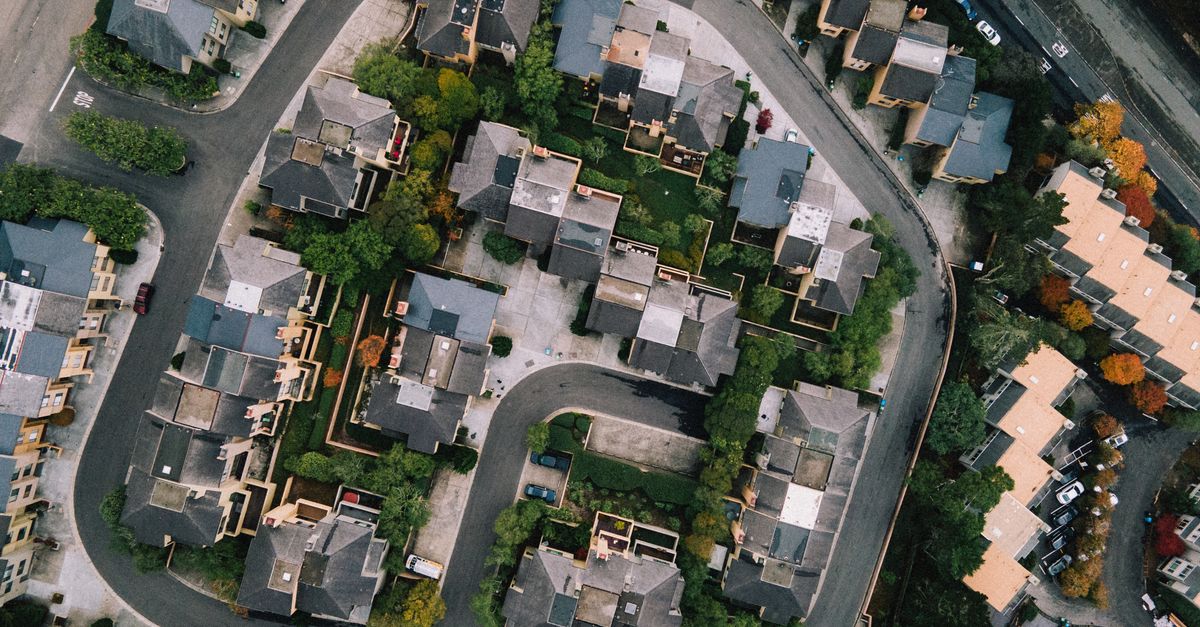
The conclusion of that report, as it stood in August 2025, is that immigration is an important factor but not the only one. Immigration, Refugees and Citizenship Canada says arrivals genuinely affect the housing market, but the effect is small next to supply shortages, low interest rates and investor buying. Most of the time, the report argues, immigration is the result of an economic boom rather than its cause.
What these three stories meant for the Toronto market in August 2025
Together, as of August 2025, they describe a market squeezed from both sides. Building a home was getting more expensive in 2025 while the wider economy was weakening, and the explanation most people reach for first, immigration, carried less weight than supply and interest rates did. For a buyer in Toronto in the summer of 2025 it meant new construction pricing had a floor under it even while resale prices were soft.
For a seller in that period it meant the economy, not the number of newcomers, was the thing to watch. None of these three reports changes what your own home is worth in the month you are reading this. What they change is the direction you should be planning around, and that is worth more than a headline.
If you want to work through what any of this means for your own plan to buy, sell or build in Toronto, fill out the form at the bottom of this page or book a free consultation. Stay well and take care.
Frequently asked questions
How fast were construction costs rising in Canada in 2025?
Statistics Canada reported that the cost of building residential homes rose 1% in the second quarter of 2025, which annualizes to roughly 4% and is double the Bank of Canada's 2% inflation target. The increase in the first quarter of 2025 had been 0.9%, and building in the second quarter of 2025 was about 3.7% more expensive than in the same period of 2024.
Was Canada heading into a recession in 2025?
A report from the Canadian Federation of Independent Business, current as of August 2025, put a serious probability on a recession within that year. It estimated growth of negative 0.8% in the second quarter of 2025, projected a similar drop in the third quarter of 2025, and expected private investment to fall a further 6.9% in the third quarter of 2025.
How much does immigration affect Canadian house prices?
A report from Immigration, Refugees and Citizenship Canada found that between 2006 and 2021 newcomers accounted for about 11% of the growth in home prices and rents. The effect was larger in big cities but limited overall compared with local supply conditions, low interest rates and investor activity.