
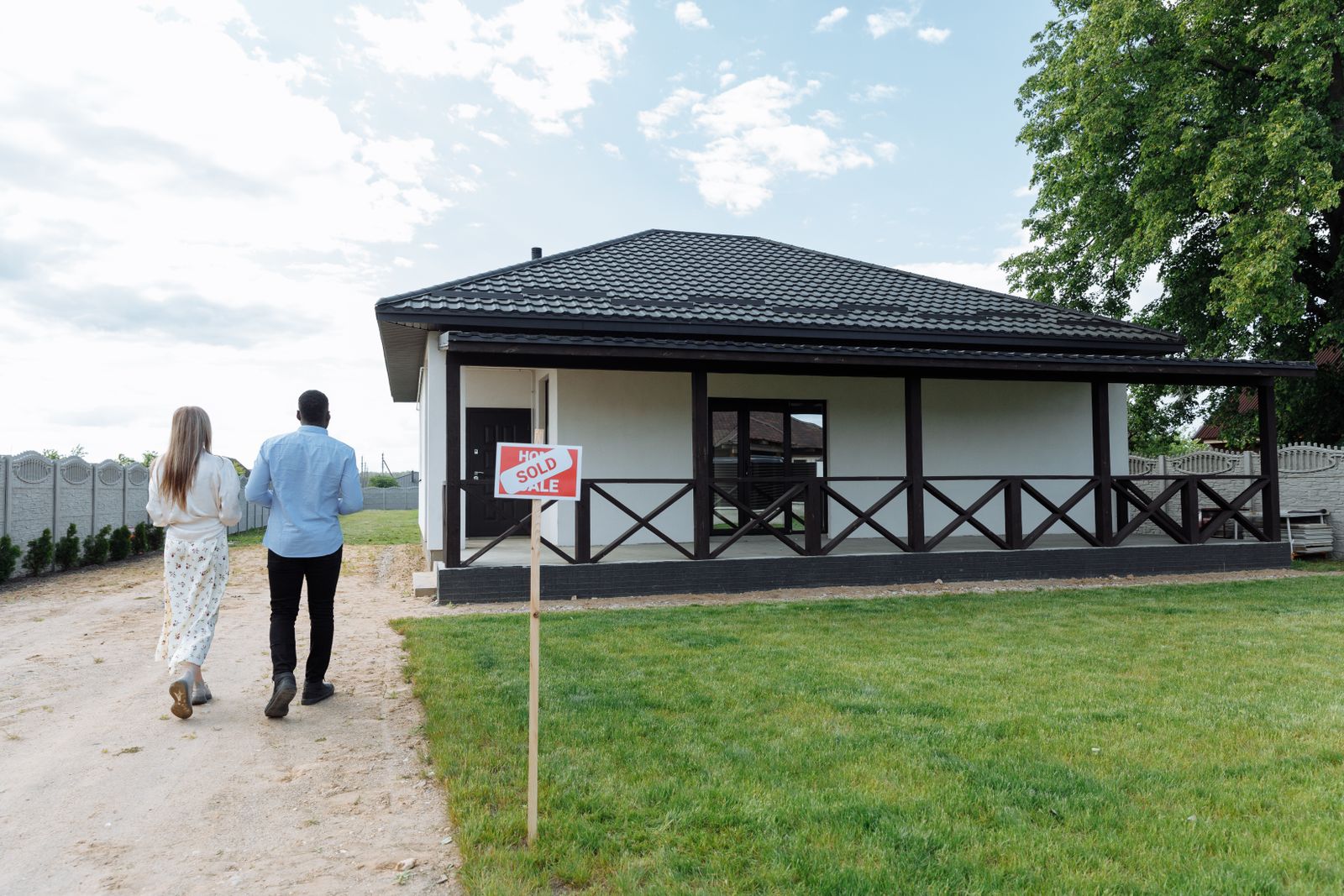
Sell privately only if you already have a buyer and a price you both trust. Otherwise, in Ontario the saving is smaller than it looks: most buyers arrive with an agent whose fee has to come from somewhere, you still need a lawyer, and nobody is working for you. The saving is visible. The buyers you never meet are not.
What You Actually Save, and What You Still Pay
Let me start with the ledger, because that is where every private seller starts. When you list with a brokerage, the commission has two halves. The listing side pays the agent who markets the home and negotiates for you. The buyer side pays the agent who brings the buyer. Selling privately removes the listing side. That saving is real.
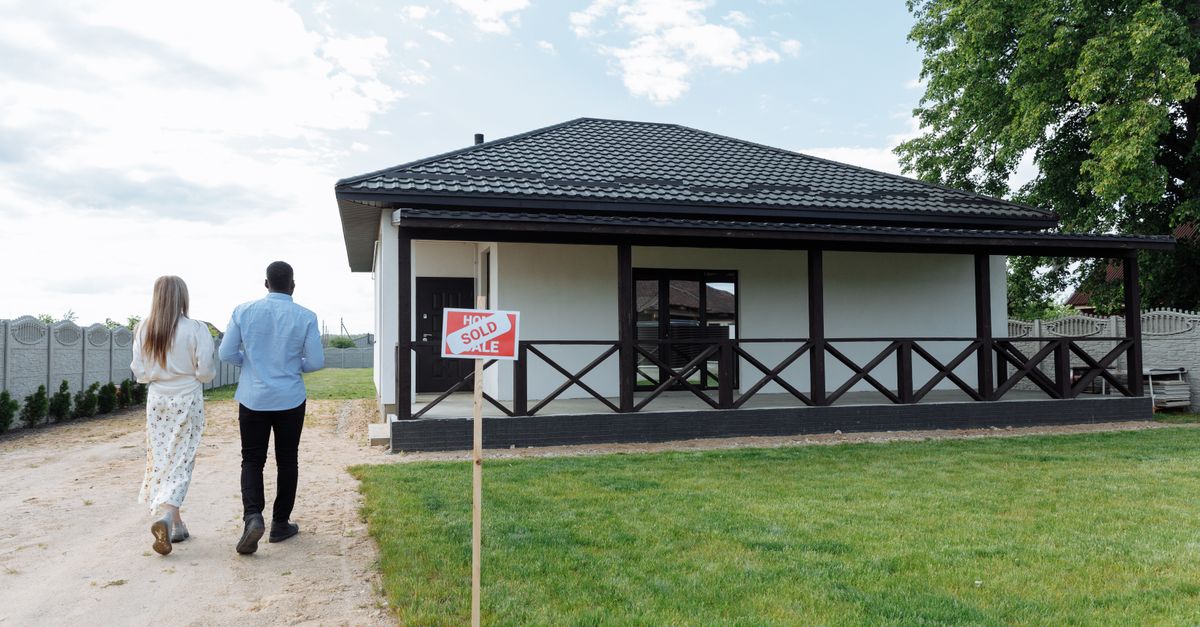
Now the other column. If the buyer who shows up has an agent, that agent's fee does not disappear. It turns into a negotiation, and I will come back to that. You still pay a lawyer. You pay for photos, maybe staging, and whatever marketing you do yourself. You pay in evenings and weekends. And you carry the risk of pricing blind, with nobody walking you through the homes that actually sold on your street. Price too high and the home sits. Price too low and you have given away more than any commission. I explained what the fee buys in How a Toronto Real Estate Agent Actually Earns a Living, so I will not repeat it here. The number that matters is what lands in your account after closing, not the fee line.
The Buyer-Agent Gate: The Fee Moves, It Does Not Vanish
Most buyers in the GTA, from North York and Richmond Hill to Markham and Vaughan, come with an agent. Those agents find homes through the MLS system their real estate boards run. A private listing sits outside that system unless you pay a brokerage to post it for you, and even then you have bought the exposure, not the work.

Here is the part most private-sale guides skip. Most represented buyers have signed an agreement with their agent that makes the buyer responsible for the agent's fee if the seller does not cover it. So when a represented buyer looks at a private listing, they do the arithmetic. They pass, or they write the fee into their offer and ask you to pay it, or they offer less to cover it themselves. Payment has to be negotiated somewhere, and it shows up in the offer math. That is how a 'zero commission' private sale turns into a 'half commission' sale by the first serious showing.
The other path is to sell only to unrepresented buyers. That pool is thin, and those buyers know you saved a fee. They expect it as a discount. Fewer eyes and a lower offer are both costs, and both come out of your net proceeds.

Nobody at the Table Is on Your Side
When a buyer's agent walks into your home, they work for the buyer. Their duty runs to their client, not to you. You are a self-represented seller at that table, and you should expect nothing from them beyond courtesy. No advice on your price, no comment on a clause that hurts you, no warning when a condition is written loosely or a deposit is late. That is not rudeness. It is their job.
Think about the deposit. With a brokerage, the deposit sits in a trust account. Privately, you need to arrange that through your lawyer before you accept anything, or you are holding a stranger's money with no structure around it. Think about disclosure: what you say and do not say about the home is on you. And think about the evening two offers land at once. With an agent there is a process. Alone, you run that night yourself, while the buyers' side still follows the rules I described in Open Bidding vs Blind Bidding: Does Ontario's New Law Change Anything?.
What a Private Seller Must Handle Themselves
To be fair to the private seller, here is the whole list. This is the work that replaces the fee.
Pricing against real comparables, not the number your neighbour says they were offered. Preparing the home and getting photos that do not look like a rental listing. Writing the listing. Fielding calls and screening strangers before they are inside your house. Running showings and open houses. Qualifying buyers: is the financing real, is the deposit ready. Negotiating price and conditions with someone who does this for a living. The offer paperwork. The deposit. The inspection and financing conditions and their deadlines, which do not wait for you to finish work. The lawyer and the closing. And staying steady in the room when the other side has a professional and you do not.

There is a familiar way private deals go wrong. When a word-of-mouth buyer and a seller meet with no agent on either side, the buyer often expects a steep discount 'because there is no agent', and arguments over the deposit follow because there is no trust account in the middle. I raise it here because many readers of this page are Persian-speaking families in Richmond Hill and North York, and a buyer who comes through a friend feels safer than one who comes through a listing. The structure causes the trouble, not the people. Two people who like each other, no referee, and real money on the table.
When Selling Privately Is Worth It, and When It Is Not
It is worth it when you already have the buyer: a tenant who wants to stay, a neighbour, a family member. You both trust the price, both sides have lawyers, and nobody is in a hurry. In that case the listing side of the fee would pay for a search that is already finished, and you should keep it.
It is not worth it when you need the market to find your buyer, when the home is unusual and hard to price, or when the market is slow and listings compete for fewer buyers. In a slow market, exposure is the whole game. I made the same argument for condos in How to Sell Your Toronto Condo in a Buyer's Market. Whether the home is in Toronto, Richmond Hill, Thornhill, Vaughan, Aurora or Newmarket, a private seller in a soft stretch tends to lose more on price than they save on fee, because the pool that sees the home is a fraction of what an MLS listing reaches.
I am Moe Asgarian, a Top 1% Real Estate Agent in Canada with 15+ years in the GTA market, and I list and sell homes for a living, so weigh my view with that in mind. I will also tell a seller when their case is one of the rare ones that works privately. If you want a frank answer about your own sale, fill out the form at the bottom of this page or book a free consultation, and browse our buying-and-selling guides for the rest of the selling series. Stay well and take care.
Frequently asked questions
Is it worth selling a house privately in Ontario?
Only when you already have the buyer and a price you both trust. Otherwise the thinner pool of buyers who see a private listing usually costs you more on price than the listing-side fee you save.
Do I still have to pay the buyer's agent if I sell privately?
Nothing forces you to. But most represented buyers have agreed to cover their agent's fee themselves if the seller does not, so they either pass on your home or build the fee into their offer. The fee has to be negotiated somewhere, and it usually lands in the price.
Do I need a lawyer to sell a house privately in Ontario?
Yes. Get a real estate lawyer involved before you sign anything, not only at closing. The deposit, the conditions and the paperwork all need someone on your side who does this for a living.