

On any residential lot in the City of Toronto, four separate homes are legally allowed as of November 2026, even on a 25-foot lot. Whether you can go to six or more depends on three things: how wide your lot is, how many storeys your neighbourhood permits, and how deep the lot runs.
I am Moe Asgarian, a Broker in Toronto, and I have worked specifically on multiplexes for years. The question owners ask me most is simple: how many units fit on my land? Here is how I work through it, lot by lot, as the rules stand in November 2026.

Four homes are allowed on any Toronto residential lot
A 25-foot lot in downtown Toronto is completely ordinary. Many of the city's older houses sit on exactly that width. As of November 2026, four separate homes are permitted on that lot. Not four bedrooms. Four independent homes, each with its own door, its own kitchen, its own bathroom. I looked at a plan from one of the architects I speak with where all four units were three-bedroom with two bathrooms, so family sized rather than studio sized. Do the simple math: one house collects one rent, four homes collect four rents, on the same land, at the same address. That permission applies across the whole City of Toronto.
Which places count as the City of Toronto
When the rule says City of Toronto it does not mean only downtown. Today's city was assembled from six older cities that amalgamated: old Toronto, East York, York, North York, Etobicoke and Scarborough. Its northern boundary is Steeles Avenue. So in November 2026 a lot in North York or Etobicoke or Scarborough carries the same four-home permission as a lot near the core.
Height and depth are the two numbers most owners never ask about
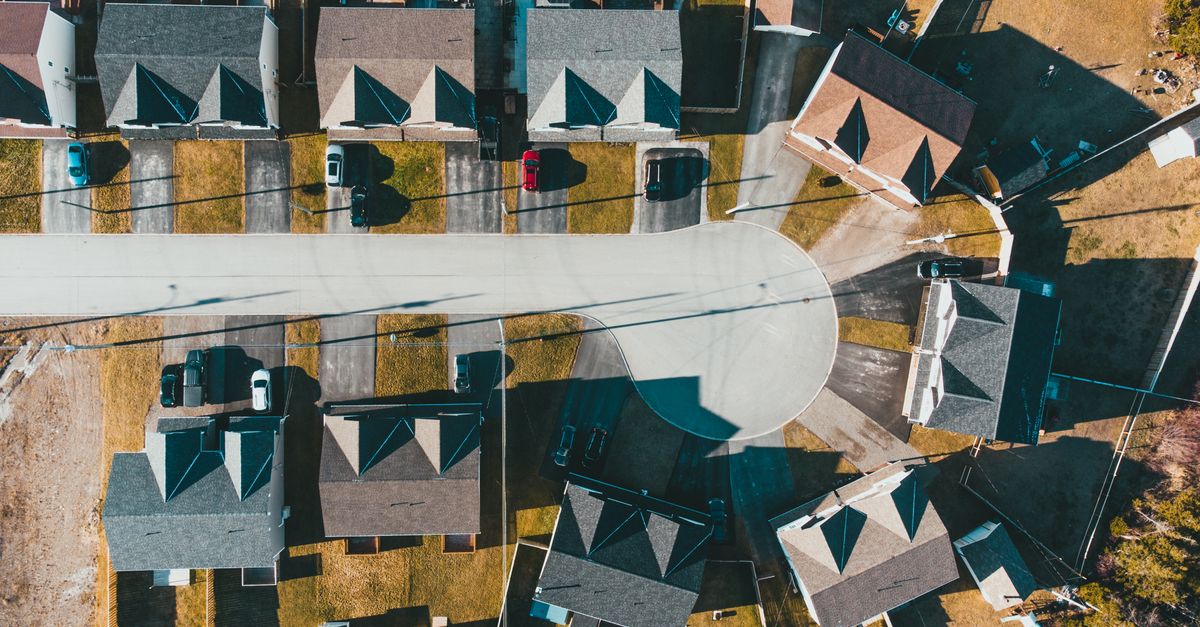
Width is the obvious one: a wider lot usually yields more units. The two numbers people skip are height and depth. Height is how many storeys you are allowed on your lot, and it changes from one neighbourhood to the next. The closer you get to the centre of the city, the more height we usually get. Depth decides whether there is room behind the house for an extra unit, a garden suite or a laneway house. That is the four plus one case, because the rear unit does not count inside the four. Two lots of the same width sitting side by side can give two completely different answers.
Six units, corner lots, and splitting one lot into two
Six units are not allowed everywhere in Toronto. As of November 2026 that applies in Toronto and East York and in one of the north Scarborough wards. On a lot there with enough width and enough permitted height, six homes can fit, and sometimes an extra unit behind them. One example I saw was six units: two three-bedroom and four roomy one-bedroom, designed from the street to look like two old houses side by side so it suited the neighbourhood.

A corner lot is worth more in this conversation because it reaches the street on two sides and gives you more options. An architect friend designed four townhouses back to back on a corner lot, each with its own door, and the same layout works on a 50-foot corner lot. A very wide lot can sometimes be severed into two lots, with a separate multiplex on each. Another architect I work with does this for many of his clients: find a wide lot, sever it, and put a multi-unit semi on each piece. Severance needs an extra application to the city and there is no guarantee you get it.
Main streets, six storeys, and where the numbers stop working
A 35-foot lot usually gets four units. Put that same lot on a main street and the story changes. Main streets are not always the busy roads you picture. Plenty of them are neighbourhood streets lined with two-storey houses. I saw a project on a 35-foot lot on a main street in Scarborough that got ten units over six storeys. Let me be straight with you: that file is still in appeals and in a fight with the city, and nothing is final. I am not telling you that you can do the same. I am showing you where the edge of this is.
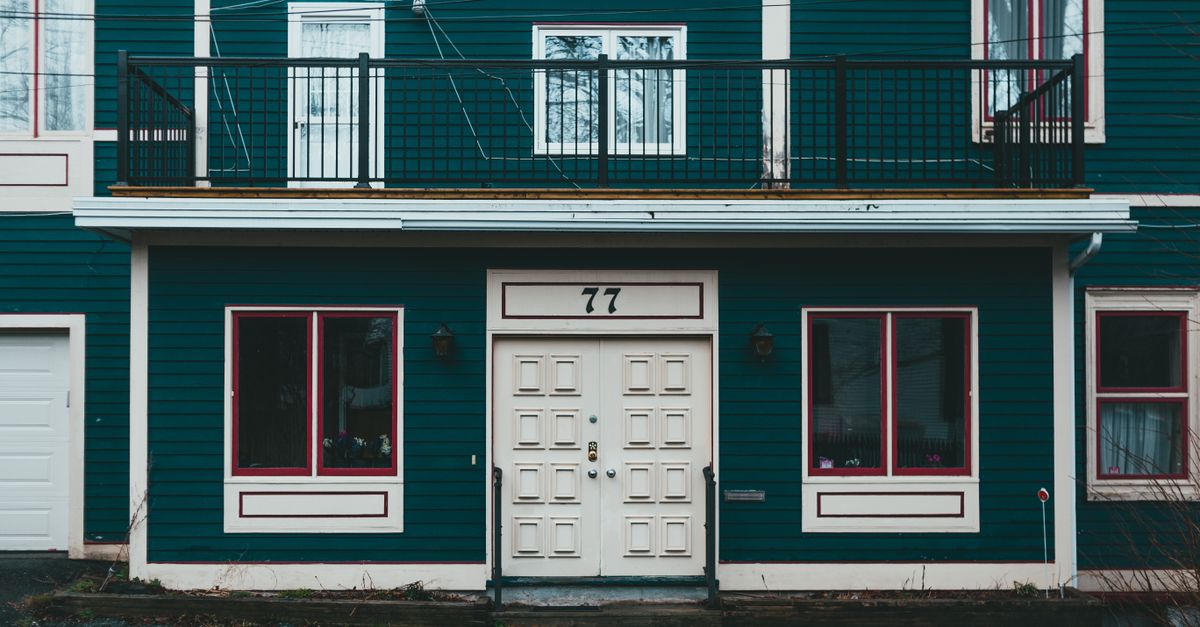
Six storeys does not always pencil either. Builders working in this space say that on lots under roughly 75 feet, part of the building goes to the elevator and the common space, so you end up with about as much rentable area as a regular multiplex. And above six plus one, government development charges come back and the whole calculation changes.
North of Steeles, and why the land is the part you cannot change
If your property is north of Steeles, in Thornhill or Richmond Hill for example, the math is different and in November 2026 the ceiling is usually three units. Now my own opinion, and I want to be clear that I am not making a prediction here. What I see in recent years is that people buy with their eyes on the kitchen, the wall colour, the bathroom, the number of rooms. Ten years later the kitchen has been replaced and the land has not. One caveat: if you are buying a house to live in yourself, that is a different conversation, and what I just described is about investing. In investing, the land is the only thing you buy that you can never change.
If you want to know what your own lot allows, fill out the form at the bottom of this page or book a free consultation. Send the address of your land, or of the house you have your eye on, and I will tell you how many homes you could build on it and whether it is worth doing at all. If it gets as far as drawings, I can introduce you to an architect and a builder who do this work properly. Stay well and take care.
Frequently Asked Questions
How many homes can I build on a 25-foot lot in Toronto?
Four separate homes, as the rules read in November 2026, each with its own entrance, kitchen and bathroom. One architect's plan I reviewed fit four three-bedroom units with two bathrooms each on that width.
Does a garden suite count as one of the four units?
No. A garden suite or laneway house at the rear is an extra unit on top of the four, which is why builders call it four plus one. Whether it fits depends on how deep your lot is.
Can I build six units in Thornhill or Richmond Hill?
No. Those are north of Steeles Avenue and outside the City of Toronto, and as of November 2026 the ceiling there is usually three units. Six units apply in Toronto and East York and in one of the north Scarborough wards.