

Based on Moe’s video of December 18, 2024. For this month’s numbers, see GTA Housing Market Today.
این مقاله به فارسیRead in FarsiAs of December 2024, two housing stories matter most. Toronto is widening its affordable home ownership help from the bottom six income deciles to eight, which lifts the household income cut-off from 102,000 dollars to 160,000 dollars a year. And Canada's unemployment rate has reached 6.8 percent, the highest level outside the COVID years since 2017.
My name is Moe Asgarian. I am a real estate broker in Toronto with RE/MAX, and the city's ownership program is the kind of thing that changes who can actually qualify to buy, so it is worth going through carefully.

How Toronto Defines an Affordable Home
Start with the definition, because it surprises people. In the City of Toronto's terms, an affordable home is one whose costs are less than 30 percent of household income. So affordable has no fixed price. It depends on what the household earns. The city works it out by dividing households by income band. Under the program as it stood in December 2024, a three-bedroom had to come in at 320,556 dollars or less to count as affordable for a household at the 60 percent income line.
And there is the problem. There is no realistic way to buy anything in Toronto for 320,000 dollars. So if the city wants to help people buy an affordable home at all, it has to change the rules rather than the price.
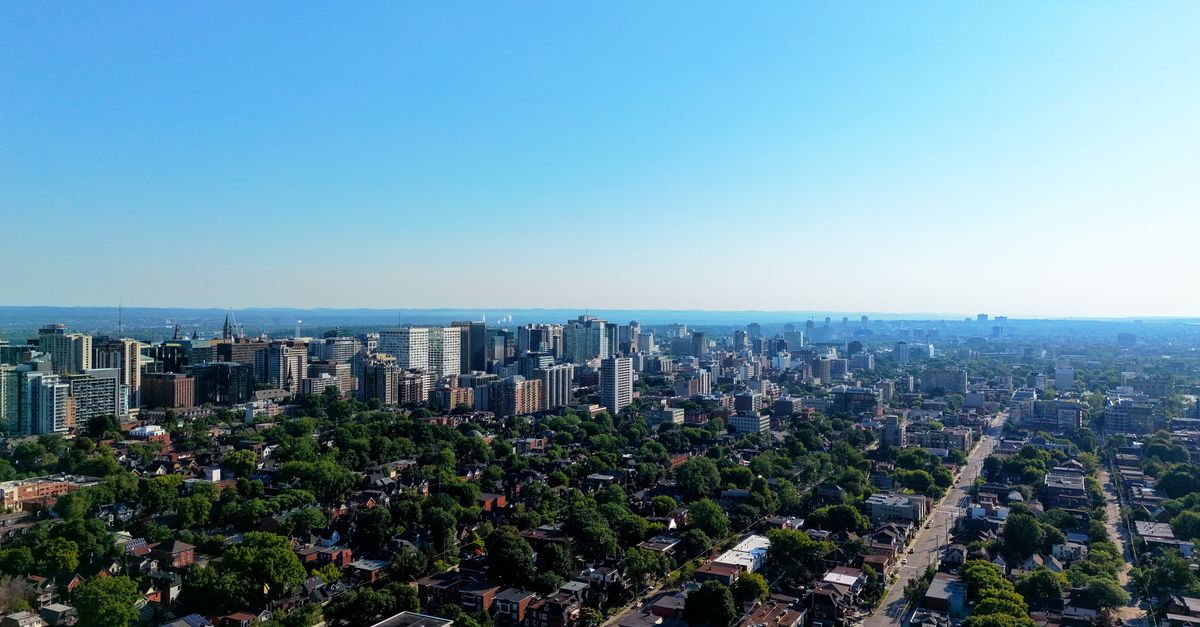
From Six Income Deciles to Eight
Until now the city calculated household income and gave financial help to the bottom six income deciles of Toronto households, that is the lower 60 percent. As of this December 2024 change, city council is moving that line from six deciles to eight, meaning 80 percent of households. A far larger number of households comes inside the program. That tells you something on its own: homes in Toronto are expensive enough and far enough out of reach that even people with fairly high incomes now need help to buy one.
Why the City Missed Its Own Target
Since 2015 the city has had a goal of helping 400 low to moderate income households a year become homeowners. A new report shows it never got there. In practice there were a lot of obstacles: a shortage of builders willing to build affordable homes, limited budgets at the city and at the senior levels of government, and rising borrowing and construction costs that pushed home prices higher and higher over those years.

Money Straight to Households, Tax Breaks for Builders
The new approach removes some of those costs. The city used to give financial support to one or two organizations active in this area. That funding is being cut, and the money goes directly to families instead, as help with the down payment so they can put the deposit together more easily. Alongside that, the city is putting new tax exemptions in place for builders, so private sector builders have a reason to come into this segment and build affordable homes.
Who Qualifies: Households Earning Up to 160,000 Dollars
The eligibility line is the headline number. Under the December 2024 changes, households earning up to 160,000 dollars a year can get help. In practice that means a couple who each earn up to 80,000 dollars a year are inside the program. If you are wondering what that figure used to be before December 2024, it was 102,000 dollars. The city raised it, which is the same thing as moving the program up to the eighth income decile.

We are dealing with a deep crisis in this city and the numbers show it. Even households on middle incomes cannot buy a home in Toronto, which is exactly why they are rewriting the program. The charts of home prices against household income show the gap widening quickly, and buying gets harder day by day. For the lower earning 60 percent, buying is close to impossible unless they can put together a bigger down payment, by borrowing it or getting a gift from their parents. One real benefit of this new help is qualification: it lets families on lower incomes pass the stress test they have to clear to get a mortgage, which means better loans and a home that is actually within reach.
Unemployment at 6.8 Percent and What It Does to Rates
The second story is the labour market. The latest figures as of December 2024 show the unemployment rate setting a record. If you set the COVID years aside, Canada has not seen an unemployment rate like this since 2017. Canada has actually created a lot of jobs, including 51,000 new jobs in November 2024, which is a high number. The problem is the number of job seekers. There are so many people looking for work in Canada that the labour market, moving fast as it is, cannot keep up with population growth, and that is the main driver of the rising unemployment rate. As of December 2024 the rate stands at 6.8 percent.

One more indicator worries me: it is getting harder to get out of unemployment. As of December 2024, one in every five unemployed people in Canada falls into the long term unemployed group and is unlikely to find work any time soon. Some analysts read a 6.8 percent unemployment rate as the start of a recession, and they point at the falling Canadian dollar against the US dollar as a second lever that could make the months ahead difficult.
This is also the honest answer to why interest rates are coming down. The main reason is the weak state of the Canadian economy. If you look only at headline growth numbers the crisis does not show, largely because the government brought in a very large number of newcomers over the past years and that props up the totals. The reality is in the unemployment rate, and the risk is that Canada drifts toward stagflation. That is why the central bank started cutting rates at a faster pace, to get in front of it. If you are weighing a purchase in this market and want a straight read on where you stand, fill out the form at the bottom of this page or book a free consultation. Stay well and take care.
Frequently Asked Questions
How does the City of Toronto define an affordable home?
Toronto defines an affordable home as one whose housing costs are less than 30 percent of household income. That means there is no fixed price attached to the word affordable; it depends on what the household earns. Under the program as it stood in December 2024, a three-bedroom had to cost 320,556 dollars or less to count as affordable for a household sitting at the 60 percent income line in the city.
Who qualifies for Toronto's affordable home ownership help after the December 2024 change?
As of December 2024, households earning up to 160,000 dollars a year. In practice that can be a couple each earning up to 80,000 dollars. The previous threshold was 102,000 dollars a year, so the change is a large one. It comes from moving the program from the bottom six income deciles of Toronto households to the bottom eight, which brings many more households inside the program.
What was Canada's unemployment rate in December 2024 and why did it matter for interest rates?
It was 6.8 percent, a level Canada had not seen since 2017 if you leave the COVID years aside. Canada added 51,000 jobs in November 2024, a strong number, but the number of people looking for work was growing faster. That weakness is the main reason the central bank started cutting interest rates more quickly, to keep the economy from sliding toward stagflation.